news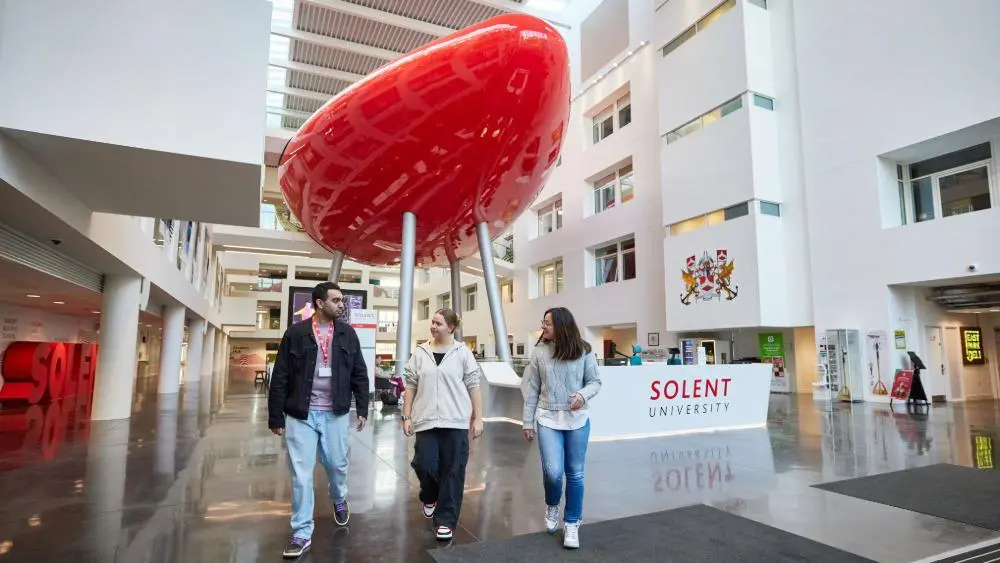
General
The Spark recognised for standing the test of time at Education Estates Awards
Ten years on, Southampton Solent’s Spark building wins award for lasting design.
22 October 2026

14 September 2026
As a new academic year begins, universities across the UK are preparing to welcome a cohort of students whose experiences, expectations and challenges look markedly different from those of previous generations. The traditional image of a first-year student leaving home for the first time and moving into halls no longer reflects the reality for many learners entering higher education today, writes Tania Struetzel, Director of Student Success at Southampton Solent University.
New UCAS data shows that almost 90,000 UK 18-year-olds accepted onto higher education courses this year intend to live at home while studying, representing 31% of all accepted applicants and the highest proportion on record. At Solent, this shift is already well established, with around 47% of our students commuting to campus.
However, commuters are just one part of a much broader picture. Today's student population includes mature learners balancing study with caring responsibilities, students navigating significant financial pressures, international students adapting to a new country and culture, and school leavers entering higher education at a time of considerable economic uncertainty. Many are also the first in their family to attend university and, unlike students with relatives who have previously experienced higher education, may be navigating unfamiliar systems, expectations and terminology for the first time. For these students in particular, understanding how university works, where to access support and how to make the most of opportunities available to them is a critical part of a successful transition.
Despite their varied backgrounds, these students share a common challenge: navigating one of the most significant transitions of their lives.
The latest HEPI and Unite Students Applicant Index highlights how student expectations are changing. The report found that 87% of applicants expect to work during term time, with almost a third anticipating working more than 16 hours a week alongside their studies. At the same time, confidence around wellbeing, learning and resilience has softened compared with previous years. Nearly half of applicants said that increased opportunities to socialise and build connections would improve their university experience, underlining the importance of helping students develop a genuine sense of belonging from the outset.
These findings mirror many of the conversations we have with students at Solent. Financial pressures remain a significant concern, as does balancing academic commitments with employment and family responsibilities. Students are increasingly pragmatic about the realities of university life, but they are also looking to institutions to provide the support, community and opportunities that enable them to thrive.
This is why universities need to think differently about transition support. If we want students to succeed, we cannot view support as something that becomes available only when difficulties arise. Instead, it must be embedded from the moment students engage with us and continue throughout their university journey.
At Solent, our approach begins before students arrive on campus. Through our Hello Uni programme, students can access guidance and resources to help them prepare for university life, understand available support services, familiarise themselves with the campus environment and build confidence before the start of term. The programme recognises that successful transition is not a single event delivered during Welcome Week, but a process that begins well before enrolment and continues throughout the first year.
Creating a sense of belonging is particularly important for students who commute, work significant hours, or have responsibilities beyond their studies. The first few weeks of university can make a lasting difference to how connected students feel to their institution and their peers. Alongside our Welcome activities, we encourage students to engage with opportunities that help them develop social networks and build confidence in their new environment.
Our peer mentoring scheme plays an important role in this, connecting new students with experienced peers who can share advice, answer questions and help them navigate the transition into higher education. For many students, having a relatable point of contact can make university feel more accessible and less overwhelming.
We also recognise that practical concerns often shape a student's ability to engage fully with university life. Through dedicated events including our part-time jobs fair, careers fair and wellbeing fair, students can access employment opportunities, explore future career pathways and discover the range of support services available to them. Alongside this, our Student Funding team provides personalised guidance on budgeting, managing living costs and accessing financial support, helping students make informed decisions about their finances from the outset. These initiatives are designed not only to address immediate concerns but also to help students develop confidence, independence and a stronger connection to the university community.
For students studying on block-delivered courses, we have introduced an Enhancement Week in November, which provides a dedicated opportunity to revisit many of the themes introduced at the start of the academic year. Through workshops focused on resilience, careers development, academic skills and personal success, students are encouraged to reflect on their progress, strengthen their support networks and access guidance at a point when the initial excitement of starting university has often given way to the realities of academic study.
The students arriving this autumn are entering higher education with ambition, resilience and a clear understanding of the realities they face. Our responsibility as universities is to ensure that the support we provide reflects those realities.
Ultimately, student success is not only about academic achievement. It is about helping students develop the confidence, connections and capabilities that will enable them to flourish both during their time at university and beyond it. By recognising that transition is an ongoing process rather than a single moment, and by building support, belonging and opportunity into every stage of the student journey, we can ensure that whatever their starting point, students are equipped to thrive from day one and throughout their university experience.
Ten years on, Southampton Solent’s Spark building wins award for lasting design.
22 October 2026
Sophie Signorelli is one of four 10m air rifle athletes representing Great Britain from 27 to 31 October 2026.
20 October 2026
Lecturer Matt Sanger explores why Southampton businesses can struggle to grow and the skills needed to build sustainable growth.
19 October 2026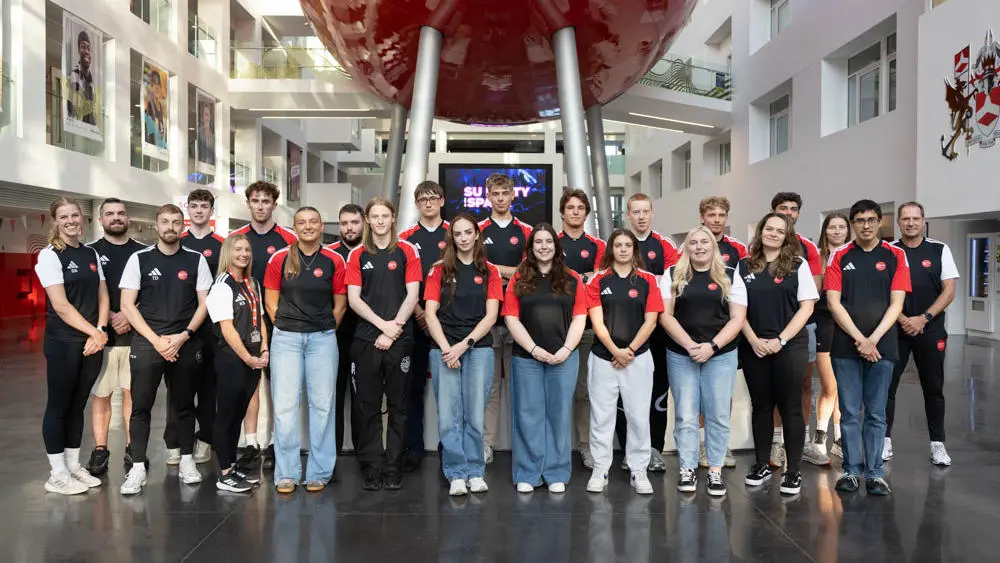
Solent's Sport Excellence Programme is welcoming 20 student athletes for the 2026/27 academic year.
15 October 2026