
Darius Oloro
Southampton born and bred, Darius Oloro built a freelance sound engineering career and a band – all launched from his time at Solent.
Job title:Sound engineer and musician
Employer:Freelance
Studied:BA (Hons) Music Performance and Production
Tell us a little about your career so far
I'm born and raised in Southampton, and that's shaped everything. When I was applying to university, moving away felt financially daunting, so I chose to stay local and study at Solent. My first year ran from 2019 to 2020, right into the pandemic, so staying local turned out to be exactly the right call.
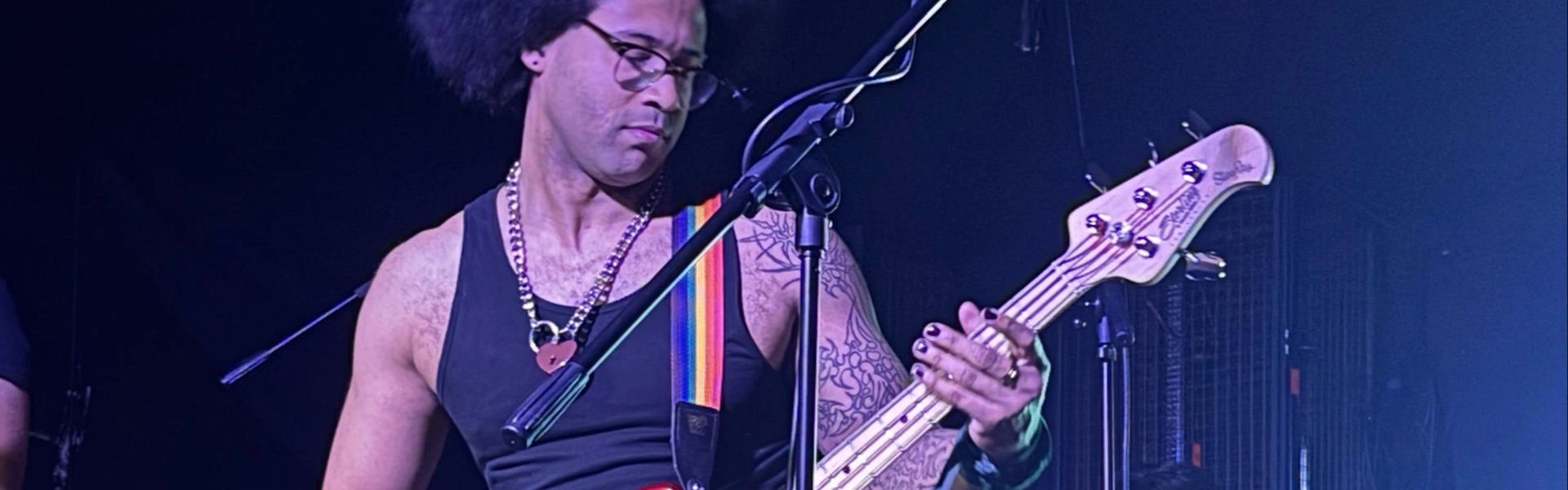
Since graduating, I've built my career as a freelance sound engineer, starting at The Hobbit pub and working my way through venues across Southampton and Hampshire: Suburbia, the Railway Inn, Heartbreakers, Papillon and the Joiners. I also play bass in my band, Ma.Da.Sa, and we've been performing across the UK for around three years, from London to Bristol, Brighton, Bath and Portsmouth. All three of us in Ma.Da.Sa went to Solent, so we came out with the same work ethic and mindset. That makes a huge difference when you're building something together.
What drew you to music performance and production?
Music has always been where I belong. I came into the course primarily as a performer, a bassist, but over time I gravitated towards production and engineering too, because that's where the opportunity was. The course gave me both, and I use both every single day.

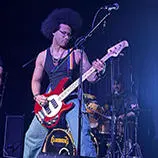
My best memories from university are recording sessions, time in the studio, just playing. You don't always get that level of access elsewhere.
How did the course shape where you are now?
More than anything, it was the resources and the community. Solent had rehearsal rooms, studios, camera equipment, microphones, and the software professionals actually use, and I never once had a problem booking any of it out.
But if I had to pick one thing the degree gave me, it would be professionalism. That might sound simple, but it isn't. Arriving on time, having your gear ready, not wasting other people's time. These things matter enormously in the music industry, and a lot of people don't realise that until it's too late. My lecturers drilled it into us, and I carry that into every gig and session I do now.
How did you get your first break as a sound engineer?
I was still at university, at The Hobbit one evening, when the engineer there asked if anyone present was studying music production. I put my hand up. She showed me the desk, an X32, which I'd already used during the second year of Covid when we needed to keep sessions socially distanced, so I already knew what I was doing. That one moment turned into my first regular engineering role, and it grew from there. That's the thing about this industry, you have to make yourself known. I've got every job I have through word of mouth and saying yes when opportunities came up.
What does your day-to-day look like now?
Every day is different, which is part of what I love about it. As a sound engineer, I'm moving between venues, meeting artists, learning new setups and mixing live shows. As a musician, I'm rehearsing, recording and performing.

I've built my career through relationships. Almost everything I do has come through people recommending me or knowing me from the scene.
What excites you most about the future?
My big goal is to be fully independent in music. I mean doing it all: engineering, session work, performing, even promoting shows. I want to build my own studio space, somewhere people come to me, so I've got my own ecosystem rather than always going out to find the work. I've got a roadmap for how I'm going to get there. It's not a quick journey, but I know where I'm headed.
Southampton is genuinely a brilliant place to start. You can build a real community here, and community is everything in this industry. I've chosen to stay, and I'd encourage any music student to take the city seriously as a launchpad.
What advice would you give to current music students?
Use everything. If you're only turning up to lectures and going home, you're missing the point. Use the studios. Use the rehearsal rooms. Go to gigs. Meet musicians. Build a network. The more skills you pick up across performance, production, mixing and engineering, the more work you'll find. If you limit yourself to one lane, you limit your opportunities.
Start making your own waves
Course studied

BA (Hons) Digital Music
Find out more
BA (Hons) Music Business
Find out more
BA (Hons) Musical Theatre
Find out more