news
General
National results highlight Solent's professional skills, entrepreneurship and research impact
The latest Knowledge Exchange Framework results highlight Solent's research impact
7 October 2026
14 January 2026 • by Solent press team
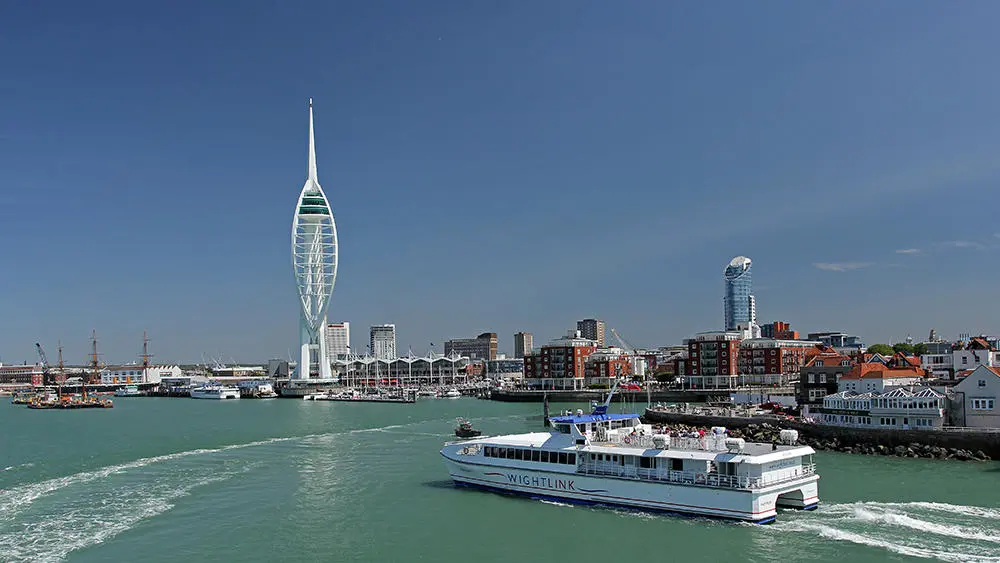
Southampton Solent University is playing a key role in an ambitious new initiative that has secured UK Government Clean Maritime Demonstration Competition (CMDC6) funding to transform short-sea ferry operations.
The project, led by Wightlink, will explore how renewable shore power can eliminate diesel use on its high-speed FastCat service between Portsmouth and Ryde, cutting emissions and improving air quality across the Solent.
The seven-month feasibility study will assess how renewable energy and storage systems can power FastCat vessels while docked, replacing diesel engines that currently supply onboard services. This pioneering approach aims to reduce greenhouse gas emissions, improve local air quality and set a new benchmark for clean short-sea ferry operations in the UK.
The study will model vessel energy requirements, evaluate renewable infrastructure options, and deliver a regulator-informed roadmap for future zero-emission operations.
Solent University’s Principal Investigator for the ‘Wightlink FastCat’ project, Capt. Zakirul Bhuiyan, Associate Professor of Maritime Simulation and Autonomy, says:
“Using our state-of-the-art Full Mission Bridge and Engine Room Simulators, we will model vessel operations, emissions, and shore-side energy integration under real-world conditions. This feasibility study will validate renewable solutions to replace in-port diesel use, supporting technical readiness and accelerating the wider transition to zero-emission ferry operations.”
Solent’s advanced simulation capabilities will provide critical insights into operational feasibility, infrastructure requirements, and environmental impact - helping shape the next generation of clean maritime technology.
The project - which is being delivered by a consortium led by Wightlink and M3MAS Limited, with support from Ameresco, Southampton Solent University, and Supply Chain Analysis - will model energy demand for FastCat vessels, assess renewable power options including grid supply, solar generation, and battery storage, evaluate infrastructure readiness at Gunwharf Quays and Ryde Pier, and develop a full implementation roadmap with cost projections and emissions impact analysis.
Wightlink’s Head of Engineering and Estates, Charles Field, says:
“By eliminating diesel use while our FastCat vessels are alongside, we can significantly improve air quality in Portsmouth and Ryde, reduce greenhouse gas emissions, and demonstrate leadership in sustainable ferry transport. The findings will guide the next stage of our transition and create a blueprint for similar services across the UK.”
If implemented, the renewable-powered shore connection could save around 96 tonnes of CO₂e annually - equivalent to removing over 40 passenger cars from the road each year.
James Lovett, Innovation Lead for Future Maritime Technologies at Innovate UK, adds:
“This project is an excellent example of UK-led innovation driving real change in one of the hardest-to-decarbonise transport sectors.”
Beyond emissions reductions, the project will deliver wider benefits including, improved air quality and reduced noise pollution in coastal communities, enhanced UK energy resilience by reducing reliance on imported fuels, and growth opportunities for domestic supply chains in renewable energy and maritime engineering
The modular, scalable solution developed through this study could be replicated across 80+ short-sea ferry routes in the UK and support international operators meeting new emissions regulations under the EU’s FuelEU Maritime framework.
“This is about more than one route—it’s about creating a template for the future of fast ferry operations,” Field continues. “The insights we establish here will shape the next generation of clean maritime infrastructure in the UK and beyond.”
Research at Solent
Our vibrant research community is dedicated to innovative research that drives positive change across a diverse range of disciplines - from media and technology to maritime, sport, and the creative industries. Impact is intrinsic to our approach, and our researchers continue to push boundaries, collaborate across sectors, and contribute to knowledge that helps shape policy, industry, and society. We are committed to practice-led research that enriches academic understanding, empowers communities and supports economic growth both locally and globally.
The latest Knowledge Exchange Framework results highlight Solent's research impact
7 October 2026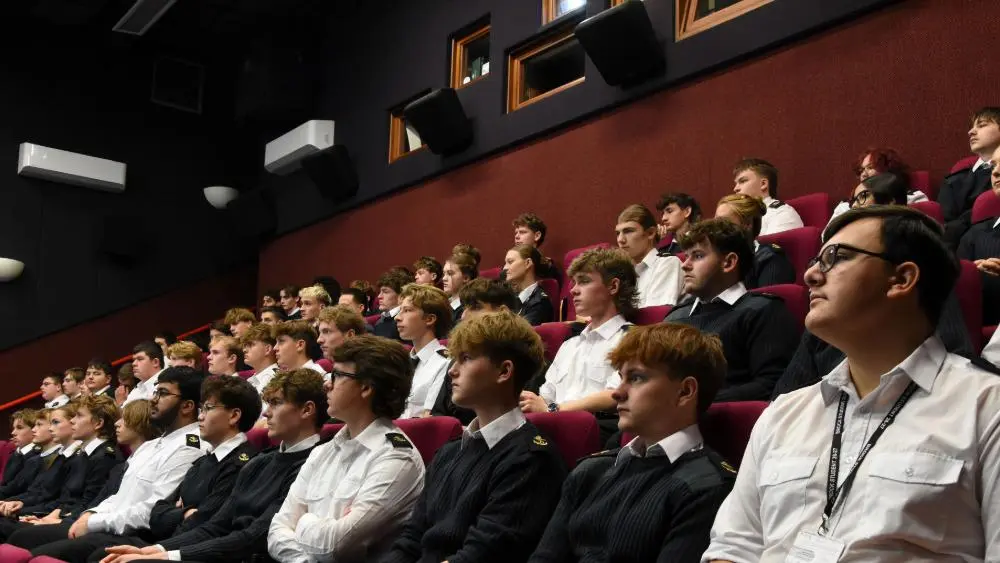
Future seafarers visit Warsash Maritime School to gain first-hand insight into careers at sea.
5 October 2026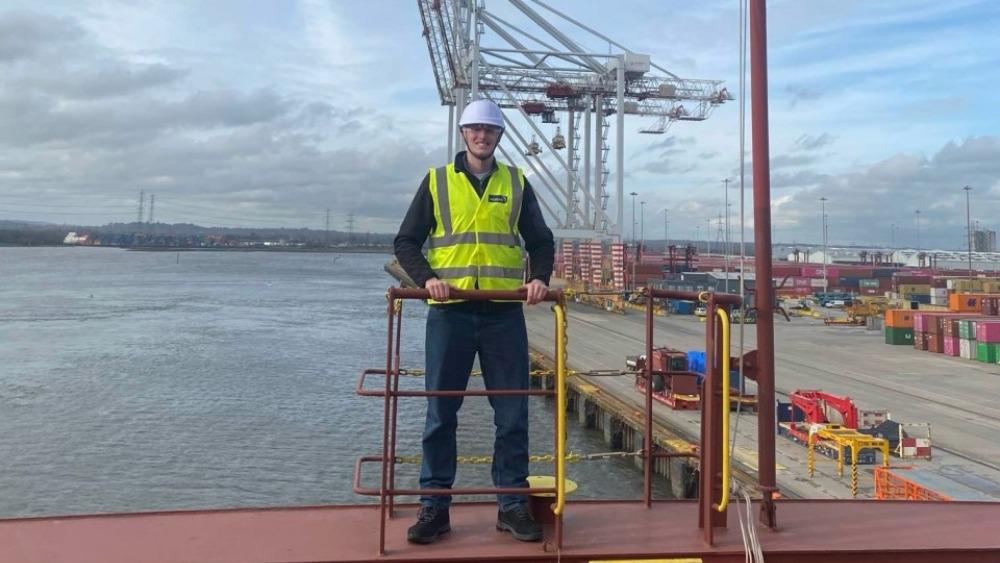
A Southampton Solent University graduate is building a career coordinating some of the world’s largest vessels into port.
2 October 2026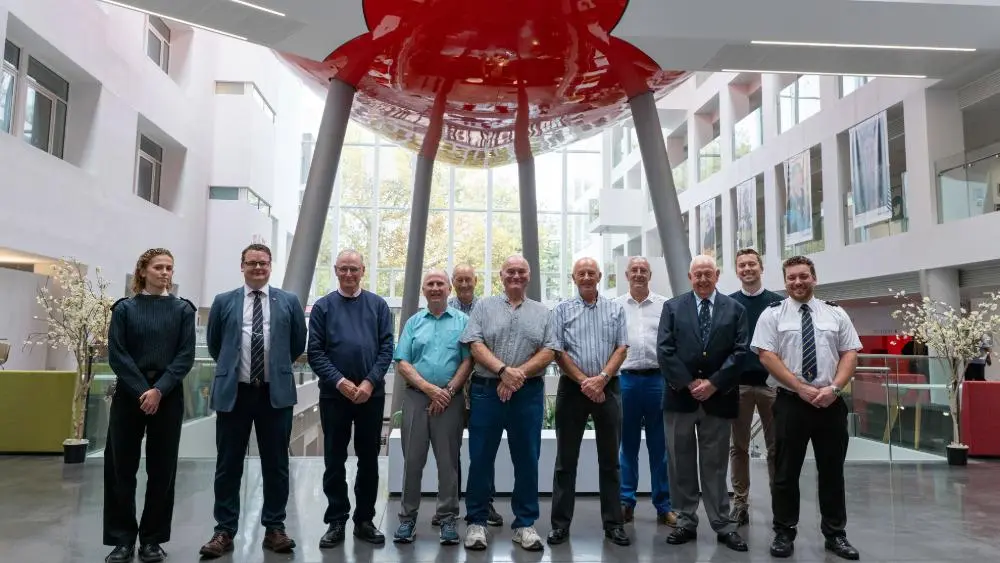
Former Warsash Maritime School cadets returned to see the next generation of Merchant Navy officers in training.
16 September 2026