news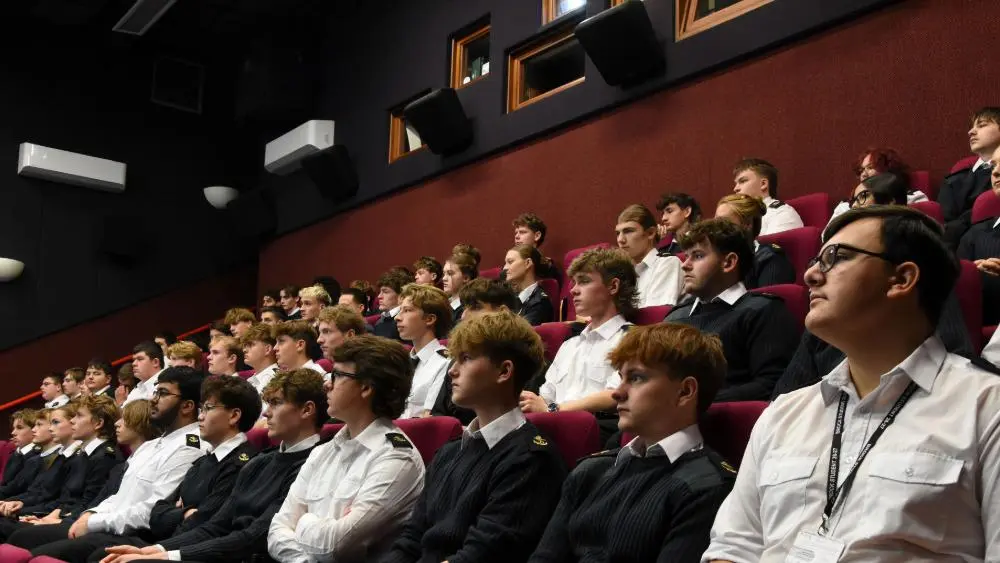
Maritime
Future maritime professionals explore careers at sea
Future seafarers visit Warsash Maritime School to gain first-hand insight into careers at sea.
5 October 2026
8 January 2026
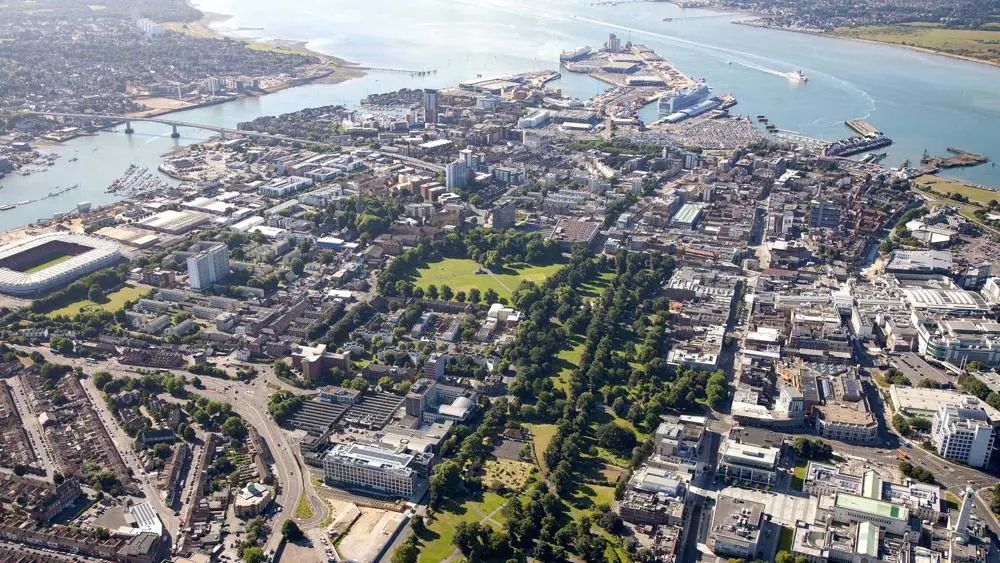
Crowned the UK’s premier cruise hub in 2025,ABP's Port of Southampton is an economic engine powering jobs, businesses, and global trade. Course Leader for Maritime Business, Nicola Pryce-Roberts, takes us behind the scenes to look at what and who it takes to run a port successfully.
Recent reports celebrating the success in 2025 of Southampton port as the premier cruise port in the UK remind us how vital a resource the port is for the local economy, and how it supports a wide range of businesses and provides employment opportunities for so many.
Often hidden behind its fences the work of any port may be a mystery to many. We are lucky in Southampton that roads and shops bring us in such close proximity to visiting ships. Anyone who has sat and sipped a coffee in West Quay’s shops and cafes cannot have failed to see the magnificent array of cargo, ferry, and cruise ships. But what really goes on, and who works at the port to make such a wonderful spectacle possible, is not always so clear.
The operation of a port is a 24/7 activity. Ships arrive bringing passengers and goods from around the world. The goods and passengers are loaded or offloaded, by skilled and efficient stevedores, crane operators, marine operations specialists, and customer service personnel, but is that the end of what happens at the port? Simply no!
Aside from the care required for the cargo and passengers, the ships themselves need care. Ships must have crew and ports are where crews are changed and supported both, practically and pastorally. Ships need refuelling, not just the fuel that powers the engines, but food and supplies are required, and all this must be provided on a just-in-time basis, as the ship will only be in port for a brief period. Waste must be recycled or removed. Think of the port as a city, one where time spent idle is time wasted and time is money in a port, lots of money. Providing these services really is a logistical challenge for the ship’s agents who make it happen.
Regulatory matters are attended to; ships are inspected and checked for compliance with a myriad of national and international regulations governing everything from security to safety to environmental protection. Technical experts are needed and often diplomatic and communication skills are just as important.
The infrastructure of the port must be maintained - channels dredged, buildings and equipment kept working. Security of all sorts is a vital priority. Ports are communication hubs with data flowing in and out to companies, individuals, and statutory agencies. How and where all these activities take place requires careful planning.
In terms of development ports cannot afford to stand still. Investment in state-of-the-art facilities, modern technologies and new equipment must be funded, managed, and strategically planned over months, if not years.
Ports evolve and this must be managed, they are and always have been a strategic part of our nation’s key infrastructure. Whilst the public may not always realise how much they rely on the services our ports facilitate and supply, or how many specialised, highly trained and dedicated people, many of them Solent alumni, it takes to keep the show on the road – day and night every day of the year - it is great to see that success celebrated.
Nicola Pryce Roberts is Course Leader for Maritime Business Programmes. She has worked as a lawyer and before that in several operational and managerial roles for A.P. Moller/Maersk Line and Hamburg Süd. She is also an experienced marine salvage academic.
Future seafarers visit Warsash Maritime School to gain first-hand insight into careers at sea.
5 October 2026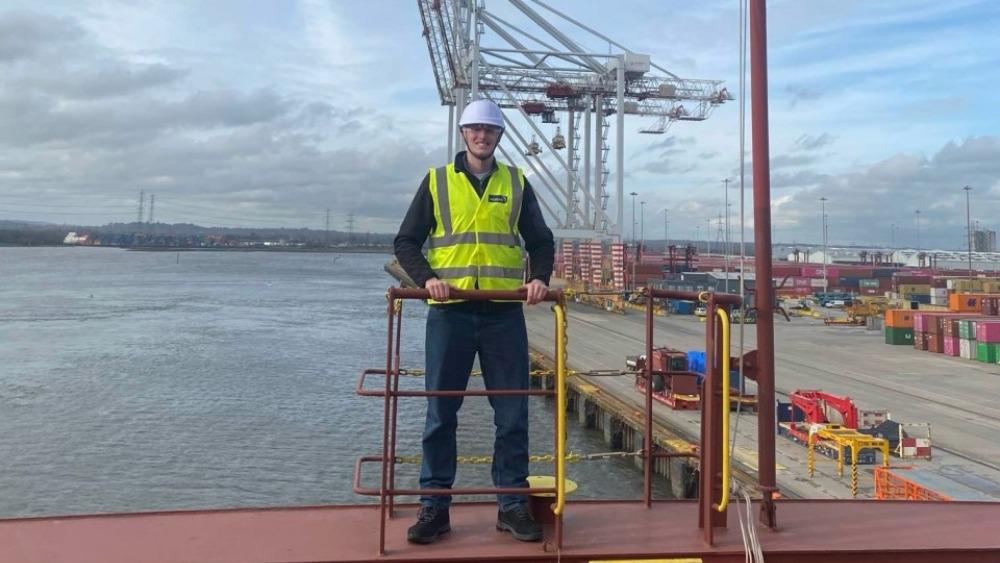
A Southampton Solent University graduate is building a career coordinating some of the world’s largest vessels into port.
2 October 2026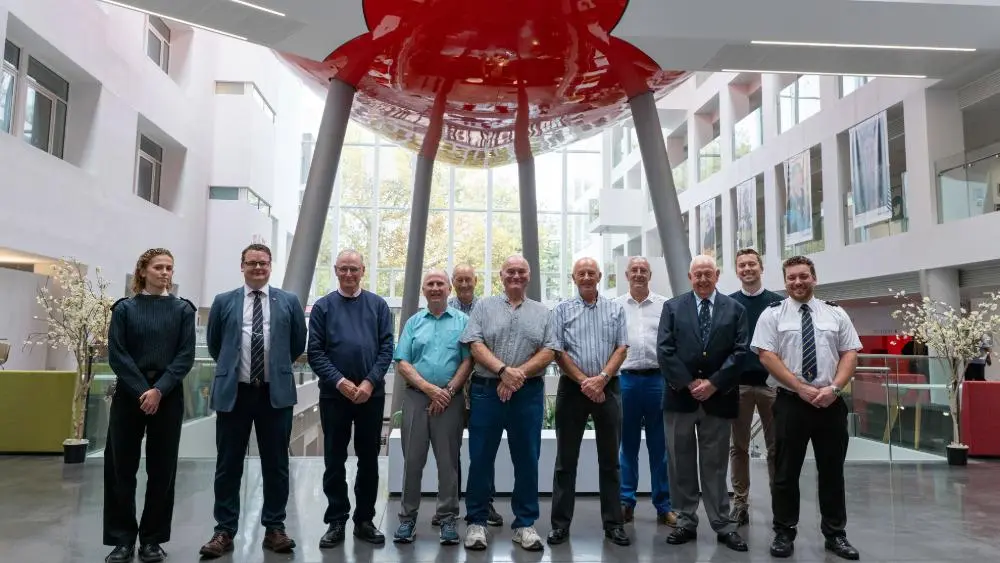
Former Warsash Maritime School cadets returned to see the next generation of Merchant Navy officers in training.
16 September 2026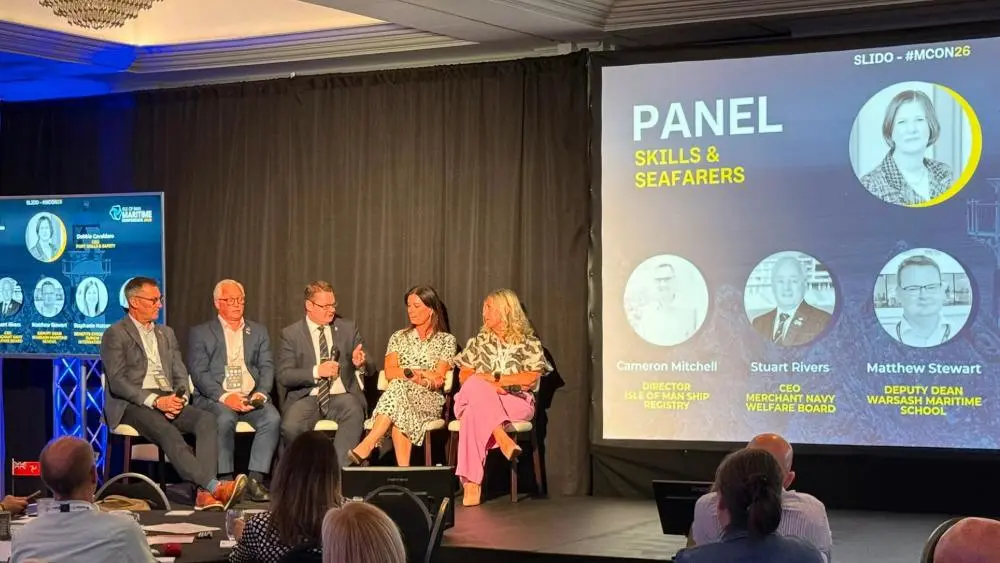
Warsash Maritime School has been named an Approved Academic Partner of Isle of Man Maritime.
17 July 2026