news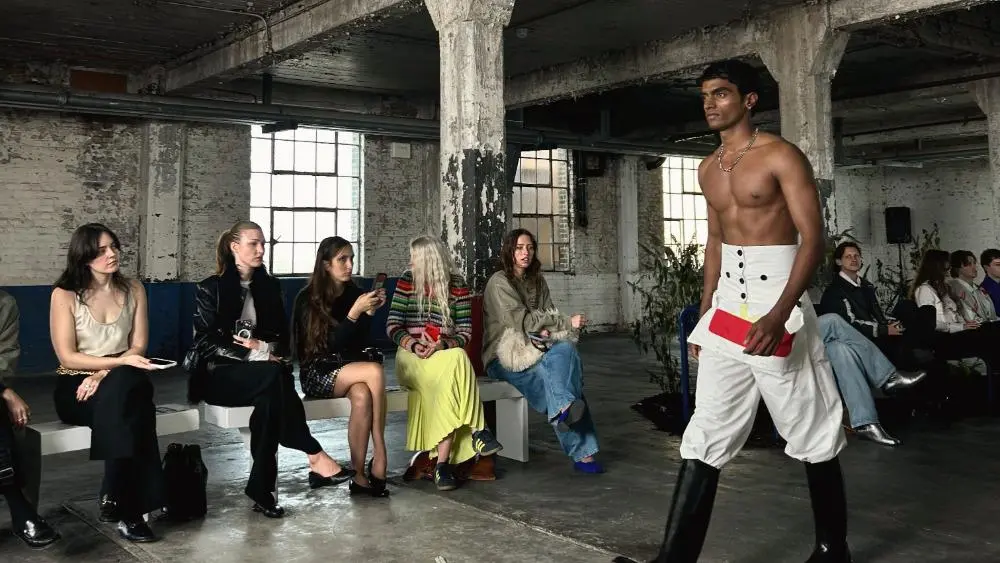
Fashion, make-up and prosthetics
Behind the scenes at London Fashion Week
Fashion Styling and Creative Direction students took their studies from the classroom to London Fashion Week last month.
5 October 2026
12 June 2026
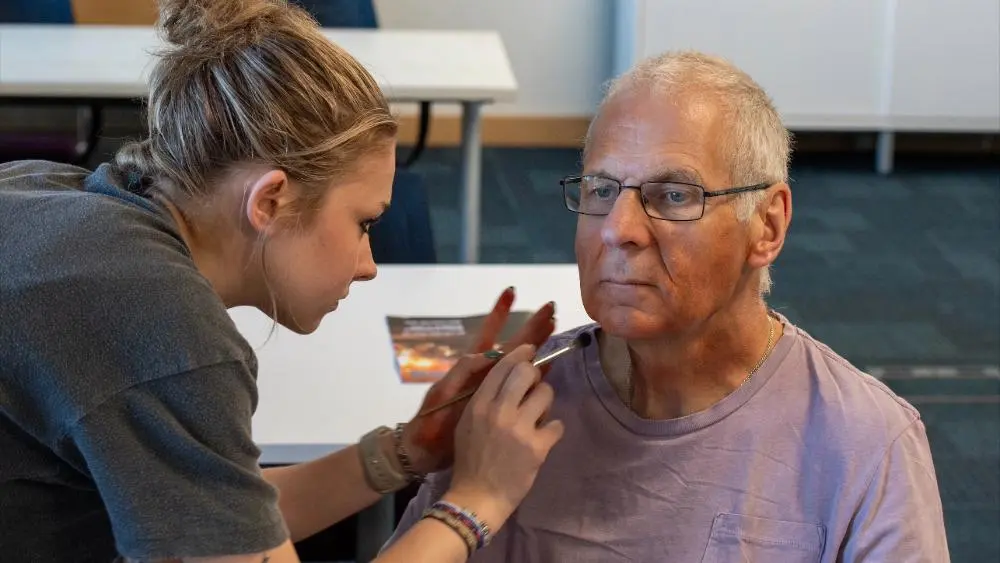
A Southampton Solent University student is set to graduate with two jobs already secured, one with the Ambulance Service and one delivering trauma simulation training for the British military.
Katie Upton, a final-year BA (Hons) Prosthetics and Special Effects Design student, has spent the past year building a career in one of the most niche and specialist areas of her industry.
Her specialism is moulage, the practice of creating realistic simulated wounds and injuries for medical training. It is used widely in professional healthcare education, but Katie discovered that in many UK ambulance services it was being done informally.
"I contacted around 50 different companies for work experience," she says. "It's a very niche area, so I didn't think many would respond. But I was very lucky to hear back from South East Coast Ambulance Service, London Ambulance Service, the Royal College of Surgeons, and the major trauma hospitals in London."
When it came to choosing where to study, Katie says Solent stood out. The course's emphasis on practice-led learning appealed to her, and the city campus felt familiar for someone who had grown up in London.
A second-year module on professional application pushed her to think seriously about what kind of artist she wanted to be. She knew she was drawn to realism, to the grim and forensic end of the craft, but had not yet found a field where that could be a career in its own right.
"It pushed all of us to actually get ourselves into the industry. I was quite quiet, not confident in myself. But then I did the work experience and I thought: this isn't as scary as it looks."
She spent the summer between her second and third year gaining work experience, teaching paramedics and doctors about best practice, participating training days, and showing what a professionally crafted wound could do for the effectiveness of emergency simulations.
The ambulance services she worked with noticed the difference and asked her to come back as a paid professional.
The military side of her career came about through a similar process of reaching out. She had initially been told that security requirements made it impossible to take her on for work experience, but several months later she received a phone call offering her a paid role instead.
She visited a military base in Cambridge for a training day and has since become part of a team working on large-scale combat trauma simulations. Some of the actors she works with are amputees. Her job is to create prosthetic limbs and realistic injuries that help train military personnel to identify when and how medical intervention is needed.
"We create fake limbs. If someone's whole arm is supposed to be cut off, we make their whole arm," she explains. "We make the end of it look like it's been torn apart. Sometimes we're out on the field for four or five hours."
The work takes her to bases across the UK and abroad and can last anywhere from a single day to a month. You can view Katie’s portfolio work here and here.
For Katie, the work also carries personal significance. Her mother is a director of midwifery and deputy chief nurse for the NHS, while her father served in the army from the age of sixteen to twenty-seven.
BA (Hons) Prosthetics and Special Effects Design at Solent combines creative practice with professional application, preparing students for careers across film, television, theatre, and industries far beyond. Find out more here.
By placing employability, adaptability and real-world experience at the heart of every degree, Southampton Solent University is positioning itself at the forefront of a new model of higher education, one that puts students' futures first. Find out more about our career ready revolution here.
Fashion Styling and Creative Direction students took their studies from the classroom to London Fashion Week last month.
5 October 2026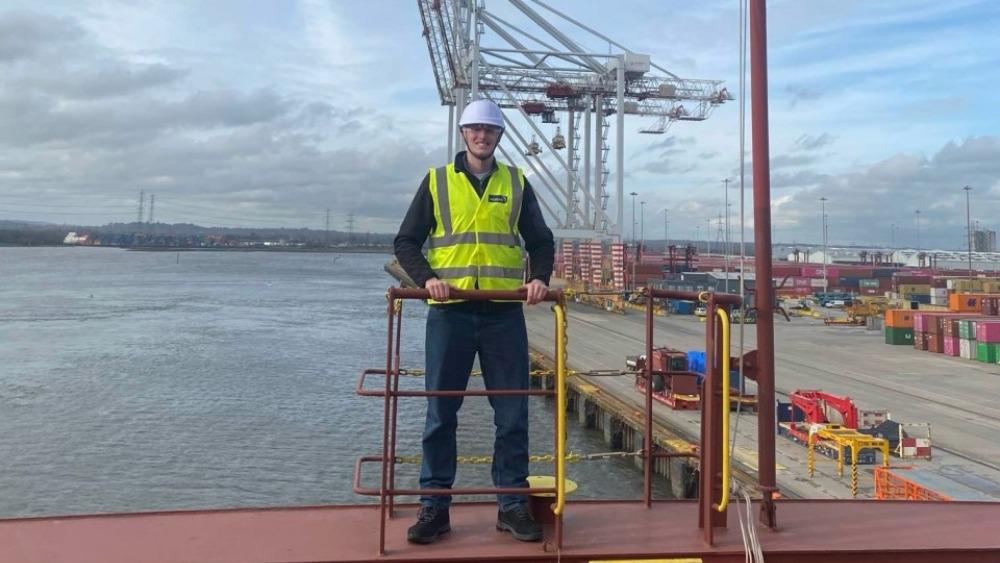
A Southampton Solent University graduate is building a career coordinating some of the world’s largest vessels into port.
2 October 2026
Solent graduate swaps volunteering for full-time coaching role with Saints Foundation.
25 September 2026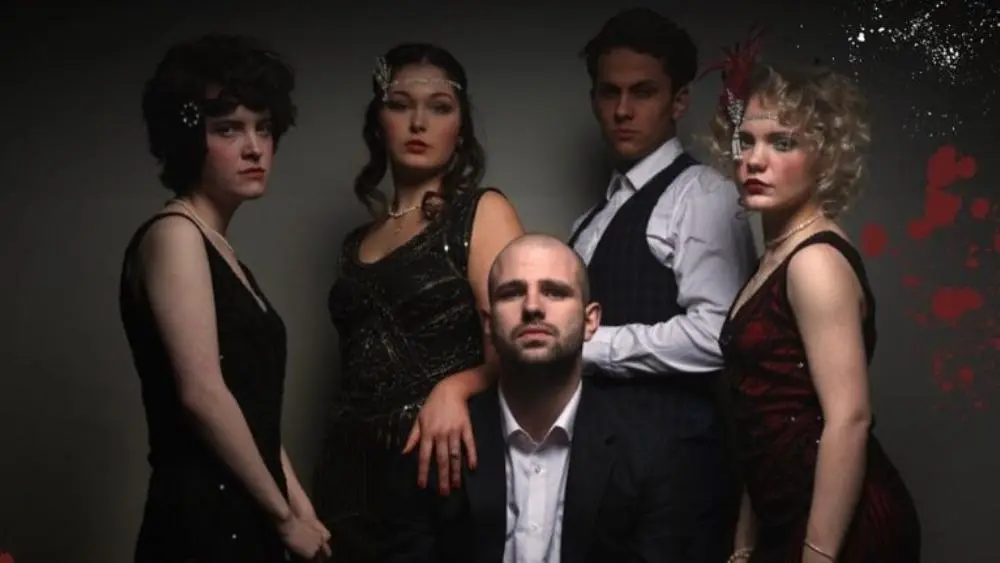
Five graduates have turned their Final Major Project into a professional touring theatre company.
14 September 2026