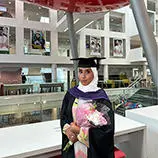
Aisha Fiaz
Aisha shares how her sport management degree led to a meaningful role and why she’s passionate about uniting people through sport.
Job title:Move More Champion
Employer:Be Active Bedfordshire
Studied:BSc (Hons) Sport and Leisure Business Management

So Aisha, tell us what do you actually do?
I'm a Move More Champion for Be Active Bedfordshire, working with local organisations like Luton Council and Active Luton to help people get more physically active. My focus is on finding the right people and places to get communities moving, especially in areas where activity levels are low and the need is greatest.
Over the past 12 months my role has grown significantly. Sport England recognised Luton as an area of real physical activity need and allocated additional funding to support that. I now cover far more of the city, including the South and East Wards, compared to just one area when I started. I began the role solo, and now there are three of us. Watching that growth has been genuinely exciting.
What projects are you working on right now?
One of the initiatives I'm currently involved in is the Couch 2 Coach programme. It provides funding to help aspiring coaches, volunteers and individuals from under-served communities get qualified to lead sports and physical activity sessions, particularly for elderly people and those living with long-term health conditions. It's about removing barriers and creating genuine pathways for people who might not otherwise get the opportunity.
I also recently led the May half-term physical activity programme in High Town, Luton, held at Burr Street Square. We ran activities including StreetTag, mini football and sunflower sewing, and I brought in Luton Town Football Club Community Trust to deliver football sessions too. Seeing the community come together like that is exactly why I do this job.
What led you to pursue a career in sport and wellbeing?
My passion for sport and wellbeing started in childhood, watching global events like the Olympics and the Commonwealth Games. I was inspired not just by the competition, but by the power of sport to unite people. I’ve always wanted to break down barriers, whether for diverse communities, people with disabilities, or young people, so that everyone has the chance to get involved. For me, sport isn’t just about performance. It’s a powerful tool to bring communities together and promote healthier, more connected lives.

Sport isn’t just about competition. It’s about community, connection, and creating spaces where everyone feels welcome. If that excites you, sport management might be the perfect path.
How did your time at Solent help you get here?
Solent gave me the knowledge and confidence to work in sport. I learned how to write reports, evaluate projects and understand how organisations work. I also did an internship with Hampshire FA and even took part in an intercultural exchange programme in the Netherlands.
My dissertation focused on South Asian males in grassroots football, which helped me connect with real people and understand the barriers they face. That experience really shaped my passion for inclusive sport.
Although it was a dissertation, it also acted as a community project that helped me connect with people and bring them together - something that’s a key part of my current role.
What challenges have you faced?
After graduating, it was tough finding the right job. I’m from a smaller town and opportunities in sport weren’t easy to come by. I even worked outside the industry for a while. But I kept looking and eventually found roles that matched my passion.
And the rewards?
Giving back to my hometown. I grew up in Luton, and now I get to help people here live healthier, more connected lives. It’s also amazing working with a team that shares my passion.
I’m also lucky to work with a fantastic team who share the same goals and passion for making a difference.
What skills do you think are most important in your job?
Listening. You need to really hear what people want. Don't just assume. Communication is key, but it has to be personal and respectful.
In this role, you often meet people who are going through difficult times, so it’s important to really listen and understand where they’re coming from.
Just being present can make a huge difference, not only for the community but also for my colleagues. Since they cover different areas across Bedfordshire, I’m always happy to step in, attend events or help facilitate sessions when needed. Being supportive and reliable is a big part of effective community outreach.
Another key skill is staying on top of admin tasks. There’s a lot of documentation and reading involved. While these may seem like small things, they’re essential to keeping everything running smoothly.
Do you have any advice for students thinking about a career in sport management?
Don’t give up. Even if you take a break or try something else, you can always come back to what you love. Sometimes, it’s important to take a step back and give yourself time to figure out what you truly want to do. Don’t be afraid to volunteer or take on unpaid opportunities like internships. They’re valuable stepping stones while you find your career path. These experiences not only help you grow but also make your CV stand out when applying for permanent roles.
Value your degree. It opens doors, even if others don’t always see it.
Use your story. Your background and experiences matter. They help you connect with people and stand out. My volunteering and internship experiences played a key role in securing my current job, as they gave me hands-on experience working with diverse communities, including people with disabilities and carers.
Start making your own waves
Course studied

BSc (Hons) Psychology with Sport
Find out more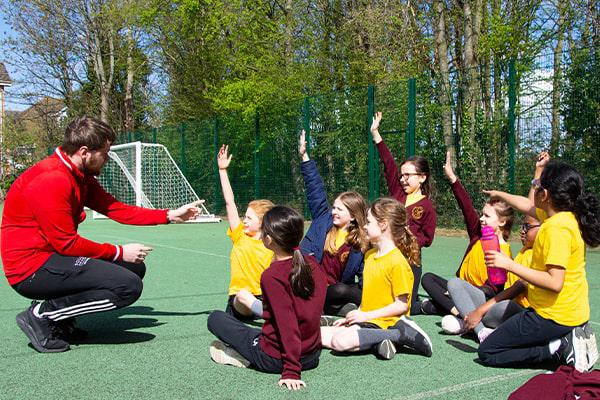
BSc (Hons) Sports Coaching and Physical Education
Find out more
BSc (Hons) Sport and Exercise Science
Find out more