“My lecturer has opened so many doors for me and connected me with people who will be invaluable to my future career.”


Understanding performance and wellbeing is essential for helping athletes to cope with pressure and regulate their emotions. Prepare for your future in sport psychology on this BPS accredited degree.
Contact international admissions
Email: Call:Solent’s psychology with sport degree, accredited by The British Psychological Society, is the ideal way to kickstart a career in this growing area. You will explore how people act and interact, and the thoughts and feelings that underlie their behaviour. You’ll develop an understanding of intervention techniques that can be applied in exercise and team settings. You’ll also gain an insight into the coach-athlete relationships.
The subject contributes to an understanding of the day-to-day problems faced by people all around the world. Psychologists use a wide variety of methodological techniques including experiments, questionnaires, observations, video analysis and interviews to investigate human behaviour and obtain reliable evidence. This evidence can then form the basis of potential interventions and recommendations.
You'll study core areas of psychology, such as cognitive psychology, behaviourism and social psychology to gain a solid grounding in the field. But you'll also explore how this can be applied within a sport and exercise context. We work closely with sport teams and health organisations in order to provide you with hands-on learning opportunities. The applied nature of the course ensures that you’ll develop the professional skills needed for work in the sports industry.
If you’re looking to study our psychology with sport degree but don’t have the relevant qualifications or experience, the social sciences foundation year will help you develop the core skills and knowledge to progress. Find out more about the health, sport and social sciences foundation year.

Accredited by:

Our psychology with sport programme is well-suited to students from a wide range of academic backgrounds.
You should have an inherent interest in human behaviour and a desire to apply this interest in sport, exercise and coaching contexts.
The scientific aspects of your psychology course - the application of a reasoned approach, problem solving and manipulation of data - provide useful tools for careers in many industries.
To practise as a psychologist, further postgraduate training and supervision is required. Find out more on the British Psychological Society (BPS) website.
Hear from Solent alumni about where their careers have taken them and how studying at Solent prepared them for their future.
Read more stories“My lecturer has opened so many doors for me and connected me with people who will be invaluable to my future career.”
The course team is made up of research and industry active lecturers, guaranteeing that students remain at the forefront of both academic knowledge and industry practice. Members of the course team work with Premiership rugby teams, international athletes and local health organisations.
The University cannot guarantee any particular members of staff will teach specific aspects of the course in the future, but will endeavour to ensure the teaching team maintains their balance of experience and qualifications.
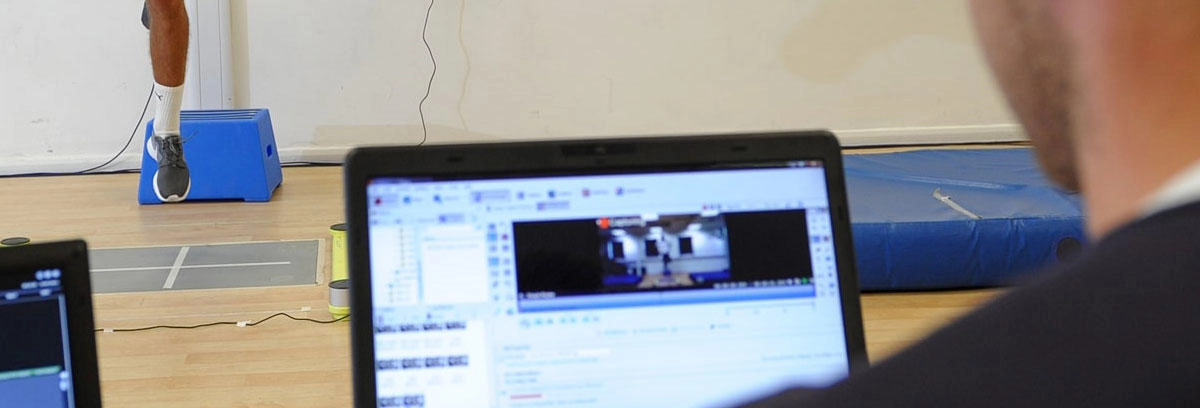
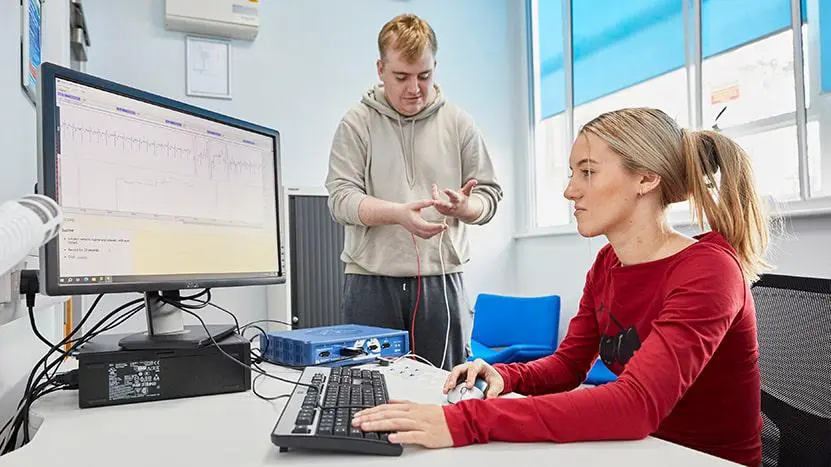
You’ll have access to the University’s first-class sport, exercise and psychology facilities. These include specialist software, psychophysiological recording equipment, eye-tracking apparatus and experiment cubicles. You can use these facilities to carry out cognitive and psycho-physiological investigations, for example, the sophisticated eye tracker can trace eye positions on a computer screen. Collecting a wide range of data using these resources gives you the opportunity to build knowledge of psychological methods and analysis.
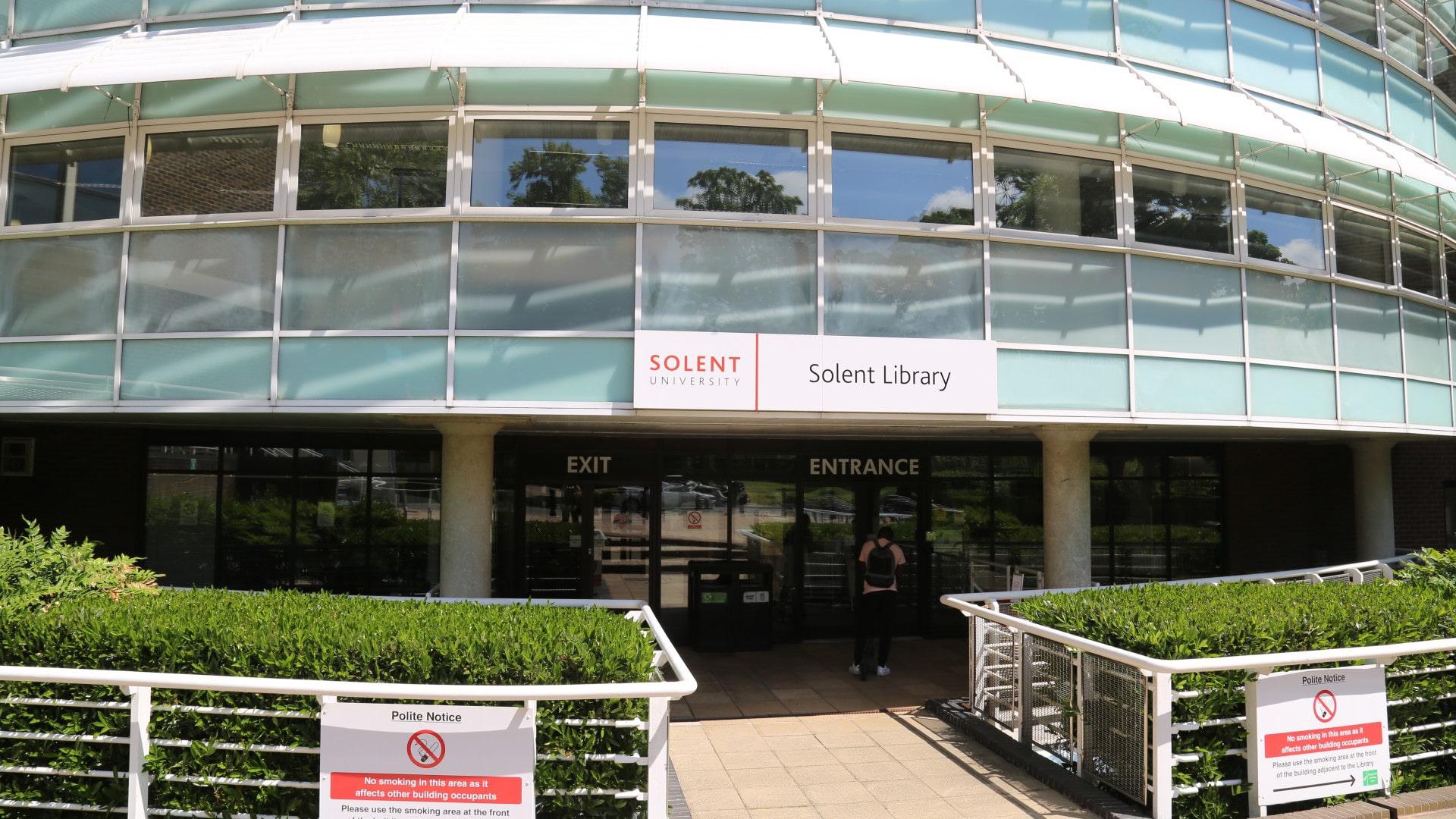
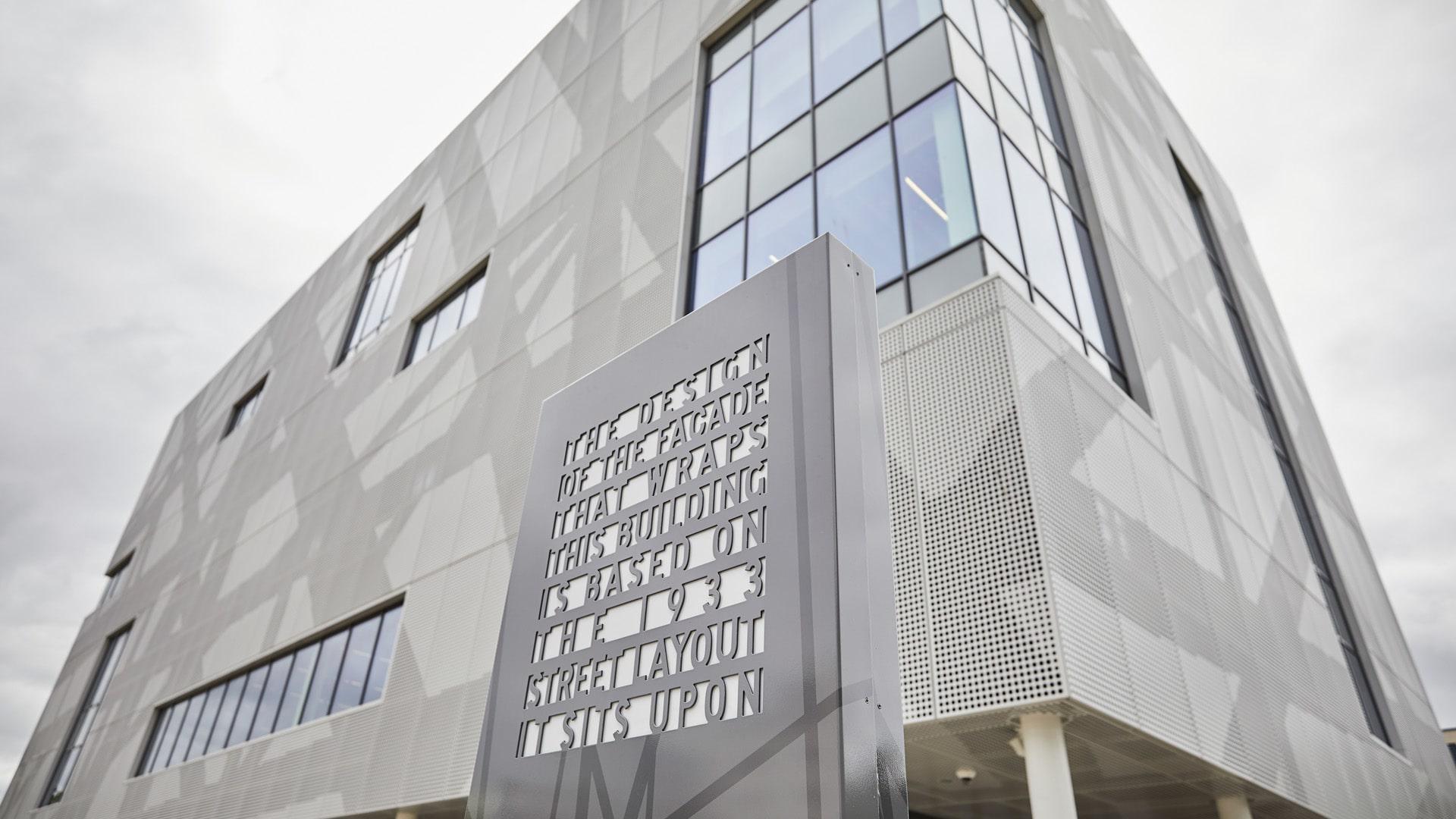
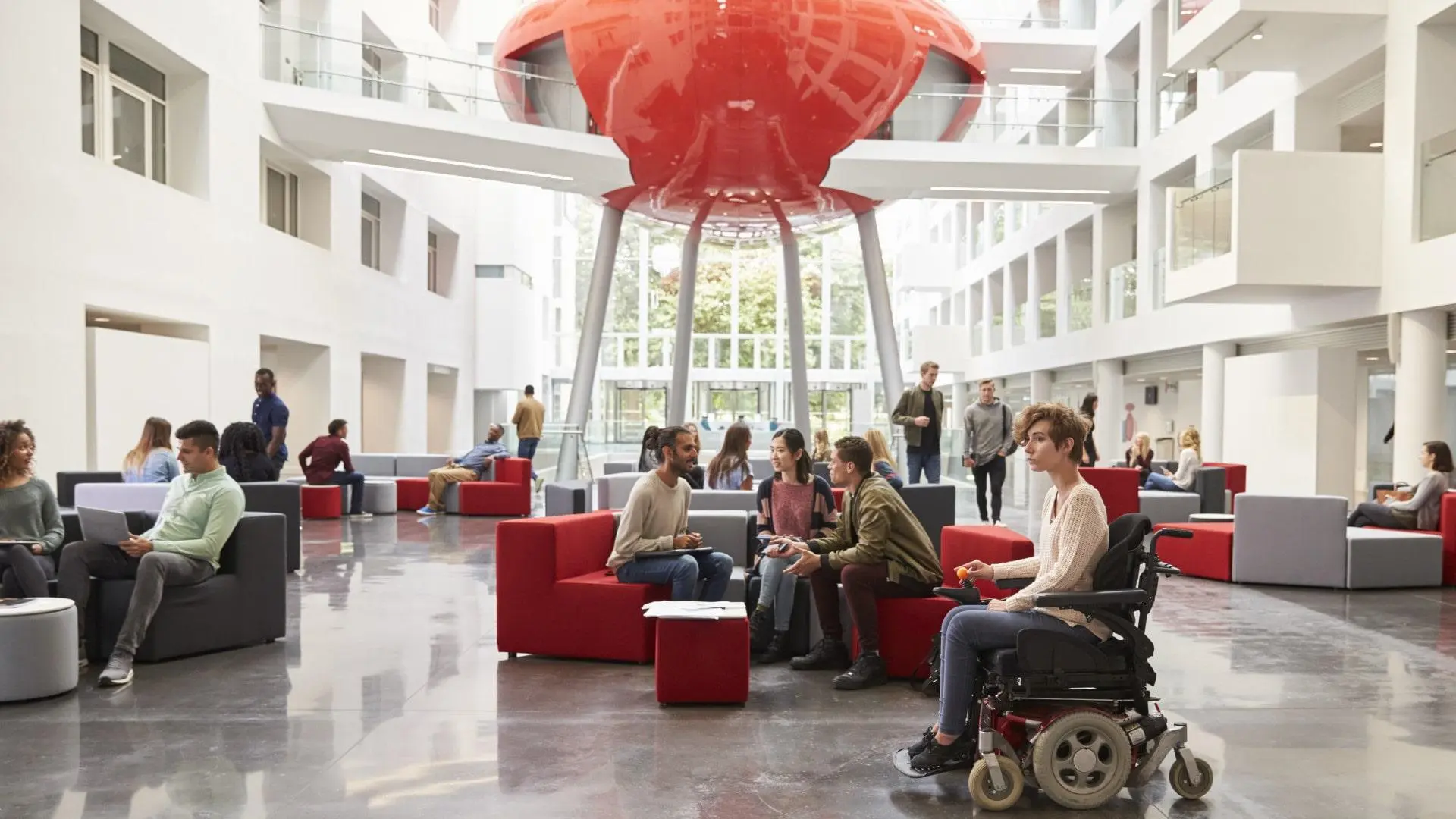
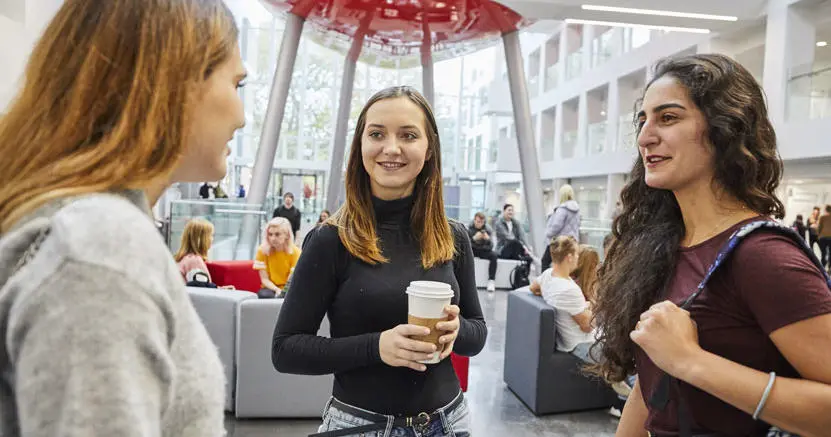
Our vibrant campus brings state-of-the-art facilities to enhance your learning and elevate your student experience. Our award-winning teaching building, The Spark is centred around students and offers a stimulating study environment with flexible learning spaces. Away from studying, why not try out the gyms, fitness studios and sports halls in our £28 million Sports Complex, or watch a blockbuster film at our student-run cinema with Dolby Atmos audio.
This module will introduce you to fundamental and historical approaches in psychology, including psychodynamic, behaviourism, cognitive and biological (both evolutionary and physiological) approaches. This will give you a grounding in how psychology has developed and the ability to describe trends in psychological history.
This module is an introduction to social psychology, developmental psychology, individual differences and qualitative research methods. To prepare towards work in the second year, students will be introduced to the history of social psychology and the history of personality psychology.
This module will develop your understanding of how the brain supports perception, memory, thinking, emotion, and behaviour, and how dysfunction in these systems reveals the cognitive processes we rely on in everyday life. By the end of the module, you will be able to discuss key biological and cognitive concepts, evaluate research evidence, solve applied problems creatively, and communicate your own research with clarity and attention to detail.
This module introduces you to the key psychological factors that influence sporting performance and behaviour across a range of competitive contexts. You'll address real-world challenges faced by performers and practitioners, such as performing under pressure, enhancing confidence, and sustaining motivation. You'll also examine a range of methods used to conduct psychological analysis, including observation, self-report measures, and reflective practice.
This module deepens students’ insight into perception, memory, attention, executive function and decision-making, with a particular emphasis on the research methods used to investigate these processes.
This module aims to provide an engaging exploration to the study of social psychology, and individual differences and studying advanced qualitative research methods to investigate social influence and diversity.
The aim of this module is to develop your psychological literacy, the ability to apply what you know from studying developmental psychology in the first year to understanding how positive psychology can improve wellbeing.
This module enables you to explore how physical activity and exercise may relate to a wide range of psychological processes, mental-health outcomes, and everyday functioning and behaviour. You'll examine exercise psychology topics related to mood, affect, emotion, self-perceptions, cognitive functioning, stress reactivity, and broader wellbeing, as well as potential challenges such as problematic exercise patterns or body-image pressures.
This module seeks to highlight how the discipline of psychology has wielded power and influence, and how this has led to controversies within the discipline and real-world impact beyond the academic pursuit of the discipline.
This module allows students to independently conduct a piece of psychological research, in an area of their choosing. Students will develop in-depth knowledge of this area by reviewing psychological literature, deciding on a research question to be investigated/hypothesis to be tested, and will then design a study to answer this question.
This module will progress the psychological theory studied in years one and two, and develop how to apply social psychology and individual differences to the workplace incorporating evidence-based practice.
This module is designed to transform theoretical sport psychology knowledge into professional competence. During the module, you'll explore challenges like developing a robust professional philosophy, managing ethical dilemmas, and adapting interventions across individual, group, and team settings, preparing you for the ethical and practical demands of real-world employment within the field of applied sport psychology.
Contact international admissions
Email: Call:As part of this course, you will study one module at a time, giving you the chance to build a deeper understanding and see the results of your hard work more quickly. With regular assessments and feedback, rather than exams all at once, you’ll also benefit from improved focus, and a more manageable workload.
Learn more about block teaching
The student achievement team are on hand to help you succeed during your studies at Solent. They aim to contact you at key times during your time here with personalised information, advice and guidance, by email or phone.
The disability advice team provides information, advice and guidance for disabled students.
All students can access Succeed@Solent, Solent's online guide to getting better grades. It offers extensive, practical information and advice on topics such as academic writing, research and presentations.
Studying psychology gives you skills that span both science and the arts, opening up opportunities with a variety of employers.
Around two thirds of psychology graduates are in employment in the UK six months after graduating, while almost a quarter undertake further study.
The scientific aspects of your psychology course - the application of a reasoned approach, problem solving and manipulation of data - provide useful tools for careers in healthcare, law enforcement, finance, IT and research.
Your knowledge of human behaviour and motivation, as well as your ability to critically analyse a problem, formulate a considered response and create a reasoned argument, lend themselves well to careers in the creative industries, the legal sector, government administration and education.
Typical salary: £27,000 to £38,000
Starting salaries typically range from around £20,000 to £23,000. With experience, you can earn in the region of £27,000 to £38,000. Senior sport and exercise psychologists can earn in excess of £48,000.
The stated salaries are published on prospects.ac.uk.
Hear from Solent alumni about where their careers have taken them and how studying at Solent prepared them for their future.
Read more stories“My lecturer has opened so many doors for me and connected me with people who will be invaluable to my future career.”
The Solent Careers team is committed to getting students into great careers.
While you are studying, the team can help you with finding work experience or placements, link you with a mentor, check your CV, or offer one-to-one guidance.
We also have graduate job opportunities just for Solent graduates.
Top 25%
of UK unis for sustained employment
Longitudinal Educational Outcomes, 2025
Every student at Solent University will also have the option to study an additional Certificate in Practical Artificial Intelligence qualification alongside their course. Free of charge, the course ensures you'll be prepared for a fantastic and varied career after graduation.

The tuition fees for the 2027/28 academic year are not yet available. For guidance, the 2026/27 fees were:
For further information, please visit our tuition fees page.
While most course costs are covered by your tuition fees, some essential resources and optional extras may need to be paid for separately. These additional costs are listed below. For advice on budgeting and managing your money, please contact student.funding@solent.ac.uk.
The 2026/27 additional costs are not yet available. For guidance, previous additional costs have been:
Compulsory costs:
Optional costs:
Solent University offers a range of bursaries and scholarships that provide financial assistance or waive fees for tuition or accommodation. Each bursary or scholarship has specific eligibility criteria. Check out our bursaries and scholarships pages to find out more.
Cost of living support
At Solent, we understand that the cost of living crisis may be of some concern. To help, we've put together some detailed information to show what support is available and how to make your money go further.
Graduation costs
There is no charge to attend graduation, but you will be required to pay for the rental of your academic gown (approximately £45 per graduate, depending on your award). You may also wish to purchase official photography packages, which range in price from £15 to £200+. Graduation is not compulsory, so if you prefer to have your award sent to you, there is no cost. Extra guest tickets will go on sale after results publication and will be sold on a first-come-first-served basis. The cost per ticket is currently £20. Please note, we do not guarantee there will be any extra tickets available to purchase.
Contact international admissions
Email: Call:Please select an option below:
As a general guide, we look for qualifications that are equivalent to the British high school A-levels.
If you are applying from outside the UK, find information about entry requirements, visas and agents for your country here.
For further information about EU qualifications, please see our course entry requirements document.
For international students who do not meet the direct entry requirements for this undergraduate degree, our trusted partner, QA Higher Education offers the following pathway programme designed to develop your academic and English language skills:
As a general guide, we look for qualifications that are equivalent to the British high school A-levels.
If you are applying from outside the UK, find information about entry requirements, visas and agents for your country here.
For further information about international qualifications, please see our course entry requirements document.
For international students who do not meet the direct entry requirements for this undergraduate degree, our trusted partner, QA Higher Education offers the following pathway programme designed to develop your academic and English language skills:
All international applicants need to be aware that the English language requirements to attend Solent University, and the English language requirements to obtain a visa from the Home Office, may be different. This means that if you meet the Solent University language requirement to gain a place on the course, you may still have to meet additional requirements to be granted with a visa by the Home Office.
We strongly advise all applicants to visit the Home Office website which outlines all the requirements for a successful visa application
Full-time
Any student applying for the first year of a full-time/sandwich undergraduate course must apply through UCAS (University and Colleges Admissions Service). This includes mature, overseas and EU students.
Nearly all schools and colleges offer their students the facility of applying electronically through the UCAS website using 'Apply'; it may also be used by those applying independently in the UK and overseas. This facility and all course information can be found on the UCAS website: www.ucas.com.
Your application should reach UCAS by 14 January if you hope to enter a course the following autumn. Early application is advised for the most popular subject areas. Late applications may be made until the end of June. The UCAS Code for the University is S30, code name SOLNT.
Find out what happens after you apply
Contextual offers
Solent endeavours to offer learning opportunities to students from all backgrounds. When we receive and review an application, we take into consideration the context and personal circumstances of applicants when making a decision, which means our advertised entry tariff could be reduced.
Find out more about Solent's contextual offers
Applicants who do not have English as their first language will be required to demonstrate an approved level of proficiency in the use of the English language. The agreed minimum requirements for this course are:
TOEFL IBT tests taken prior to 21 January 2026
TOEFL IBT tests taken from 21 January 2026
Qualifications are checked before enrolment, and international students must bring their original certificates or certified copies when coming to study at the University.
Pre-Sessional English programme
The University also offers a pre-sessional English programme for international students who wish to improve their level of English before starting a degree course.
Contact international admissions
Email: Call: