“Facilities were outstanding. We had access to the most up-to-date technology and software used in the gaming industry. ”



With a key focus on core game art skills, professionalism and portfolio building, this degree prepares you for an exciting career at the forefront of the gaming industry.
Contact international admissions
Email: Call:During your studies you will be taught how to develop game ready assets for computer games and real-time simulations. A key focus is on guiding you on how to successfully combine the traditional and technical skills required to produce computer games art. The work you create in each module contributes to your overall portfolio.
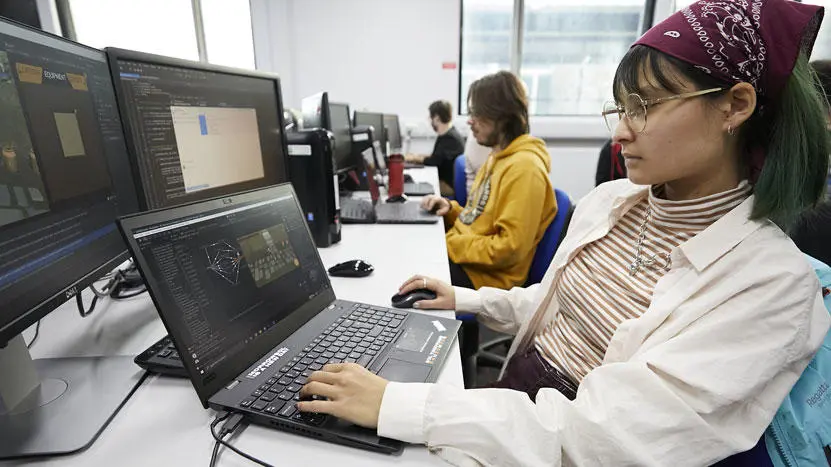
Students benefit from free access to our dedicated high-spec computer games lab where they can make use of industry-standard software, including Unreal Engine 5, Autodesk Maya, Autodesk 3ds Max, Adobe Suite (including Adobe Substance Painter, Adobe Substance Designer and Photoshop), Marvelous Designer and Maxon ZBrush.
Using these facilities, students build up a varied portfolio of creative work. From character models and level design to environment rendering and textures, this portfolio helps students to demonstrate their competencies to potential employers.
At Solent, our excellent industry links play a key part in student development, and past students have had the opportunity to work on live briefs for real clients. In addition, our academic team is formed of expert professionals who have wide-ranging experience in the gaming industry.
If you’re looking to study our computer games (art) degree but don’t have the relevant qualifications or experience, the digital arts foundation year will help you develop the core skills and knowledge to progress. Find out more about the digital arts foundation year.

Recognised as:

Our creative degrees allow our students to develop a critical eye for design with a knowledge of different design approaches and problem solving techniques. Take a look at some of the great work they produce.
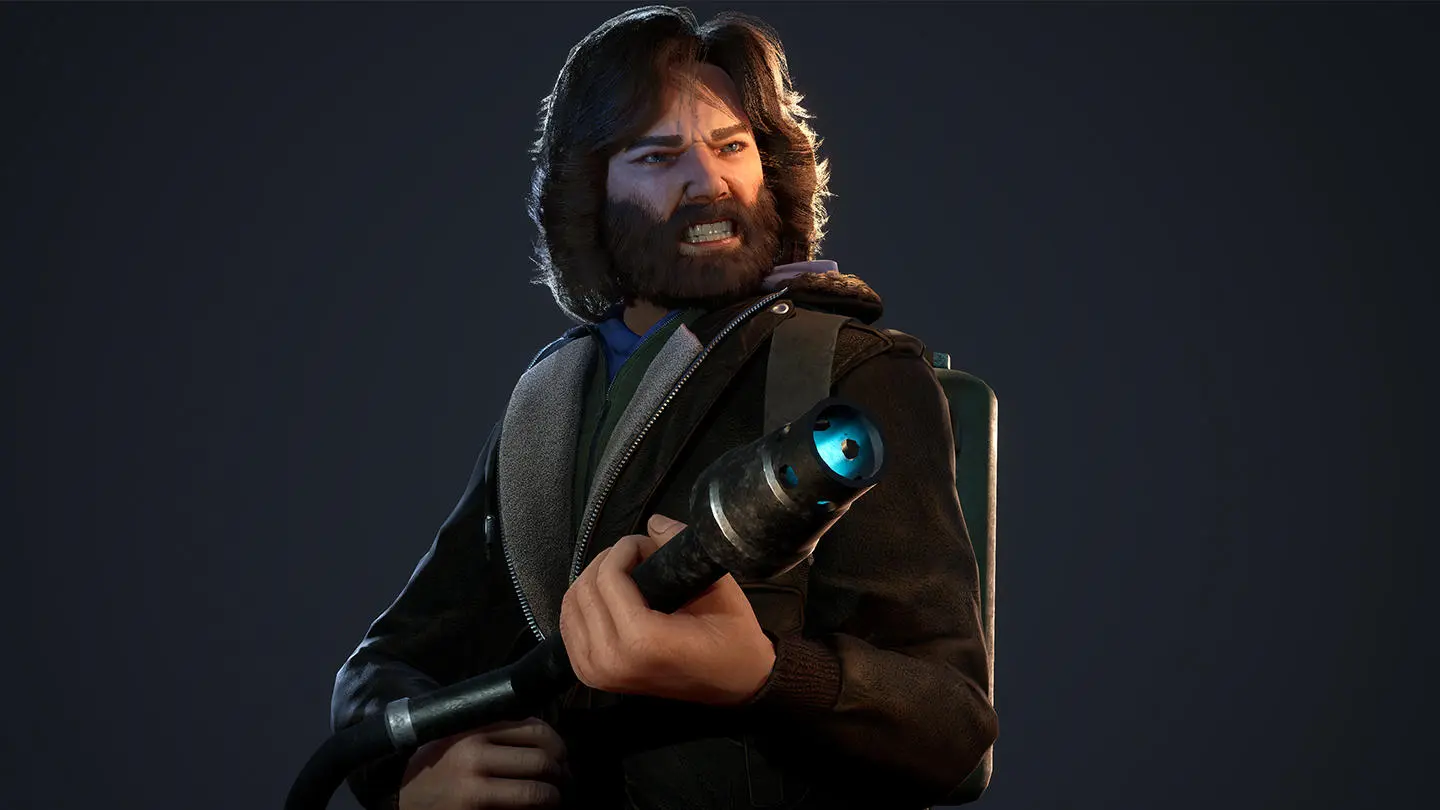
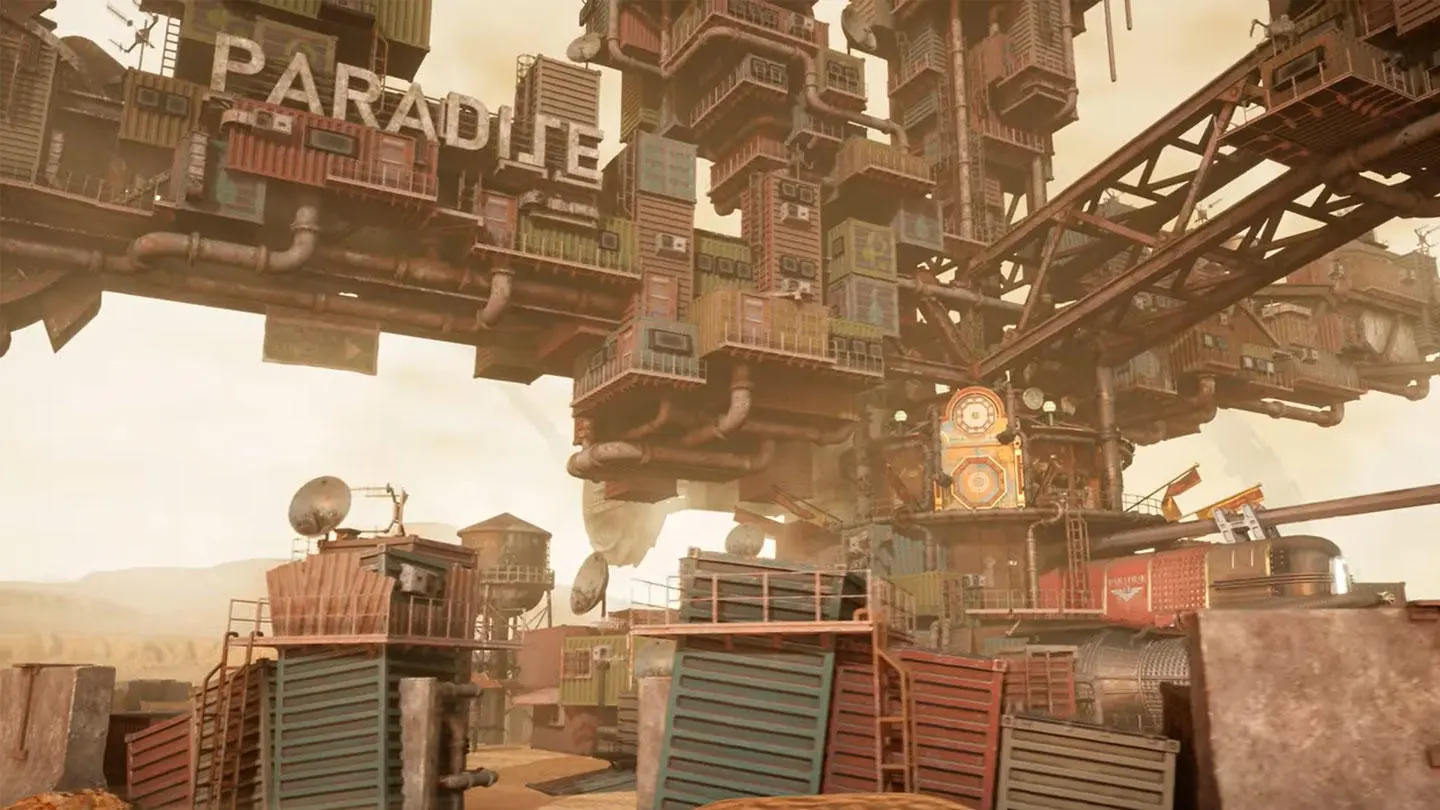
This degree is for students who want to create computer games artwork. Applicants should have a portfolio of traditional or digital artwork, and some awareness of the game art production processes. It would be advantageous to have some experience of 3D modelling software and/or a game engine. The course is suited to applicants who are interested in the intersection of artwork with technology.
A key focus of this degree is on providing skills and opportunities to build a game art portfolio suitable for gaining employment. Students are encouraged to research and engage with current production techniques, and to consider ways in which they can futureproof their skillsets.
These skills will help students build portfolios suitable for gaining entry level roles for careers as environment artists, prop artists, character artists, technical artists and game animators.
Many of the skills learned on the BA (Hons) Computer Games (Art) degree are also transferable to related fields, such as Arch Viz, VFX, CGI and VR/AR.
Hear from Solent alumni about where their careers have taken them and how studying at Solent prepared them for their future.
Read more stories“Facilities were outstanding. We had access to the most up-to-date technology and software used in the gaming industry. ”
During your studies you’ll have access to our dedicated computer games lab with industry-standard hardware and the latest software, including Adobe, Autodesk and Epic’s world-class Unreal Engine toolset.
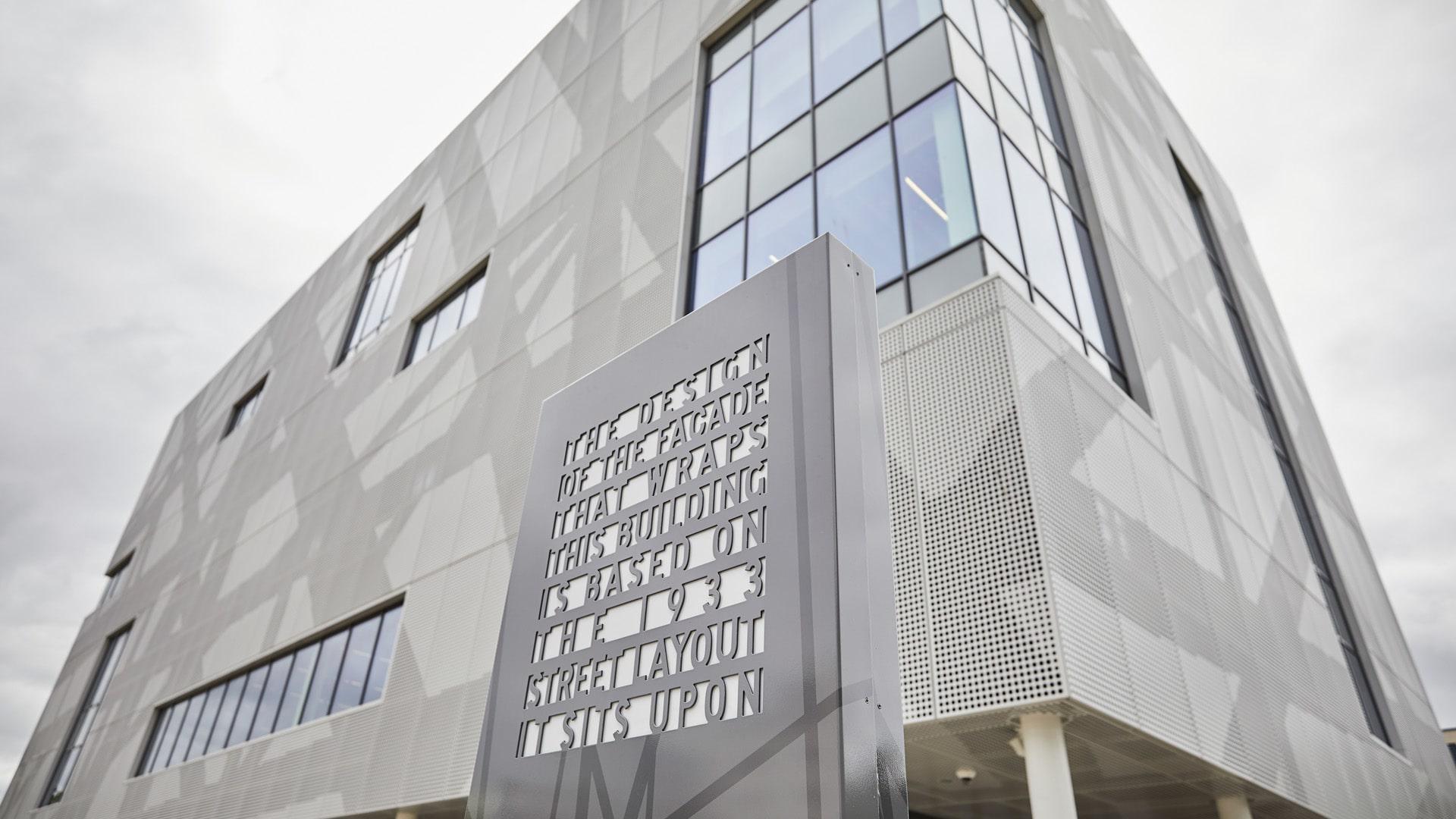
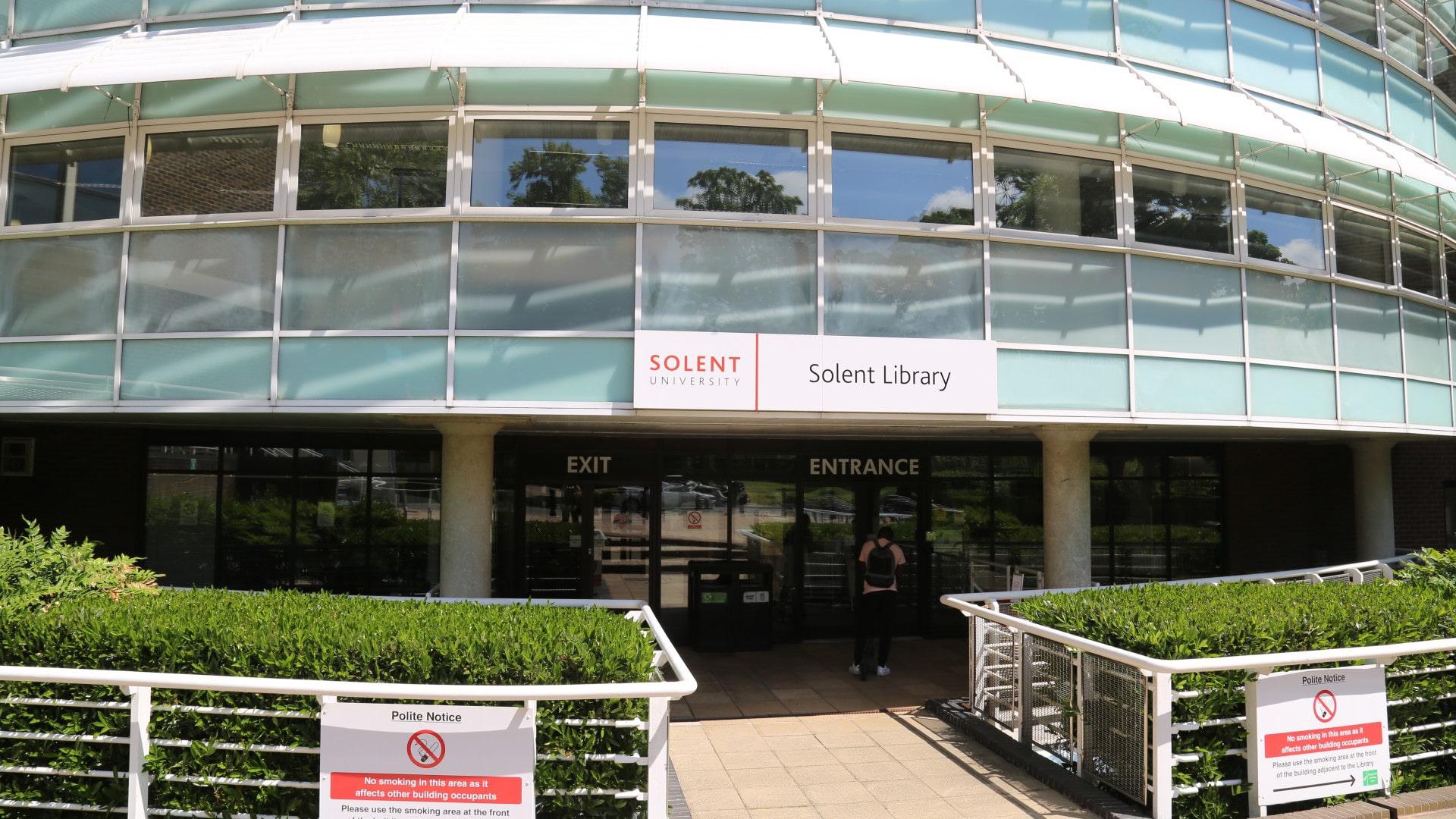
Our vibrant campus brings state-of-the-art facilities to enhance your learning and elevate your student experience. Our award-winning teaching building, The Spark is centred around students and offers a stimulating study environment with flexible learning spaces. Away from studying, why not try out the gyms, fitness studios and sports halls in our £28 million Sports Complex, or watch a blockbuster film at our student-run cinema with Dolby Atmos audio.
Broaden your horizons by adding an international dimension to your CV – essential to achieving success in today’s fast-changing, global environment.
Studying, working or volunteering in another country could be the experience of a lifetime. Enhance your degree by developing important global skills such as knowledge of other countries, language skills, intercultural awareness, adaptability and confidence.
For more information, please email international.mobility@solent.ac.uk.
This module lets you apply standard coding and design skills to build your own video game, while mastering the professional workflows used across the industry. You’ll learn how to navigate production pipelines, create essential development documentation, hit key milestones and collaborate across disciplines while working within a simulated studio environment.
In this module you will investigate the current methodologies and techniques to create game ready art in support of creating contemporary immersive and engaging games. You'll focus on enhancing your modelling and texturing techniques to meet the needs of contemporary game development. And using a suite of industry standard tools, software, and techniques you'll build and modify your assets to make them more game engine friendly, enhancing the player’s experience.
This module introduces creation processes for humanoid characters. You'll explore new game art theories, tools, and techniques, as well as the essentials of the character game art production pipeline, and how to implement your own game actors in a game engine. Knowledge of these methods will enable you to understand the relationships between game actors (characters and npcs) and non-actors (environments and props) and allow you to successfully populate your own game levels.
This module explores some of the key theories and software techniques required for creating 3D art assets and render them using different software. The module seeks to demonstrate a practical and reusable asset creation pipeline that can be applied to different scenarios and explain the theory and techniques required for good asset creation. Many of the skills learned will provide the foundational knowledge required to create 3D art assets for use in games and visual effects.
This module builds on previous experience creating vivid and striking textures and materials to enhance 3D assets. Through this module you'll develop your existing texture creation experience in creating painted assets by exploring different rendering styles, more advanced techniques and procedural texture generation to broaden your artistic pallet and knowledge of different game styles and visual narratives.
In this module, you'll work in multi-discipline team(s) within a simulated studio environment on a videogame project following industry-standard development and project pipelines. The key difference between the Studio 1 module and this module is the expectation that the skills, knowledge and team-work applied will be to a higher standard and will produce a product of greater polish and sophistication.
As a culmination of your first two years on your degree you will create an artistic element of a game world that demonstrates everything you have learned. This will be your best portfolio piece to-date and a springboard into your final major project.
Please note: Not all optional modules are guaranteed to run each year.
One of the most exciting areas within digital character art is creature FX. This practical, studio-based module introduces you to the key technical and creative elements of the field, giving you a strong foundation you can continue to develop as you specialise in your final major project (FMP). Typical topics covered include rigging and muscle systems, hair and fur grooming, cloth and flesh simulation, and facial blend shapes.
In this module, you'll explore different capture technologies in a simulated studio environment, transforming the physical world into digital assets. Typical technologies you'll use will be mocap, photogrammetry, LiDAR scanning, HDRI capture and on-set data. You’ll experiment, research and test one method in depth to build specialised, industry-ready skills.
With the complexities of modern digital production, it is often not efficient to produce individual assets, but rather produce procedural definitions which can be used to generate multiple assets with differing properties. This more technical approach to asset creation is highly sought after and is becoming ubiquitous in the games, CGI and VFX industries. This module explores node graphs and visual scripting methods to create procedural asset definitions of increasing complexity using Houdini.
In this module you'll dive into the world of humanoid character development and sculpting. You'll learn about humanoid anatomy, muscle groups and physiology, combining this knowledge to build exciting characters. You'll also build a solid knowledge of sculpting software, while being made aware of key industry techniques to visualise your designs using the software.
Building on previous Game Studio modules, you'll again collaborate in multidisciplinary teams to build a sophisticated videogame. You’ll also enjoy greater independence, shaping the genre, style and content of your project. Alongside applying advanced coding, art and design skills, you’ll learn how real studios operate, working to professional pipelines, producing key documentation, planning effectively and hitting key milestones.
In this module you'll build industry ready skills through mini projects designed to boost your technical confidence and prepare you for your final major project. You’ll explore new tools and workflows, complete essential previz and concept work, and shape the expertise you want to showcase to future employers. Each mini project targets a specific technique or pipeline element, helping you discover the methods best suited to your creative goals. You’ll also collaborate with students working on similar topics to share knowledge, solve problems, and strengthen your practice.
Showcase your talent and demonstrate your expertise with your major final year project. This module brings together everything you’ve learned and offers your biggest opportunity to collaborate across the course and with other creative disciplines. Your project will sit within art, technical art, or research, allowing you to specialise in the area that aligns with your skills and career ambitions. Working in a studio environment and independently, you’ll develop a substantial creative or technical outcome.
Please note: Not all optional modules are guaranteed to run each year.
In this module you'll dive into the world of humanoid character development and sculpting. You'll learn about humanoid anatomy, muscle groups and physiology, combining this knowledge to build exciting characters. You'll also build a solid knowledge of sculpting software, while being made aware of key industry techniques to visualise your designs using the software.
In this module, you'll explore different capture technologies in a simulated studio environment, transforming the physical world into digital assets. Typical technologies you'll use will be mocap, photogrammetry, LiDAR scanning, HDRI capture and on-set data. You’ll experiment, research and test one method in depth to build specialised, industry-ready skills.
One of the most exciting areas within digital character art is creature FX. This practical, studio-based module introduces you to the key technical and creative elements of the field, giving you a strong foundation you can continue to develop as you specialise in your final major project (FMP). Typical topics covered include rigging and muscle systems, hair and fur grooming, cloth and flesh simulation, and facial blend shapes.
With the complexities of modern digital production, it is often not efficient to produce individual assets, but rather produce procedural definitions which can be used to generate multiple assets with differing properties. This more technical approach to asset creation is highly sought after and is becoming ubiquitous in the games, CGI and VFX industries. This module explores node graphs and visual scripting methods to create procedural asset definitions of increasing complexity using Houdini.
Contact international admissions
Email: Call:As part of this course, you will study one module at a time, giving you the chance to build a deeper understanding and see the results of your hard work more quickly. With regular assessments and feedback, rather than exams all at once, you’ll also benefit from improved focus, and a more manageable workload.
Learn more about block teaching
The student achievement team are on hand to help you succeed during your studies at Solent. They aim to contact you at key times during your time here with personalised information, advice and guidance, by email or phone.
The disability advice team provides information, advice and guidance for disabled students.
All students can access Succeed@Solent, Solent's online guide to getting better grades. It offers extensive, practical information and advice on topics such as academic writing, research and presentations.
The computer games development sector is now worth more than the film and music industries combined. The UK computer games industry is the largest in Europe, generating £2bn in global sales each year. With the booming casual games market and the ever increasing popularity of mobile computing devices, this industry growth is likely to continue.
Members of the teaching staff have wide-ranging experience in the games industry and can help you to build your own contacts.
Solent is the founder member of the Southern Independent Games Network (SIGN) providing students with many crucial networking and knowledge sharing opportunities.
Starting salary: £18,000 to £25,000
More experienced and senior artists can earn between £30,000 and £40,000. Lead artists can earn higher salaries ranging from £40,000 to in excess of £60,000.
Starting salary: £18,000
Experienced animators can earn around £23,000 to £26,000. For information on freelance rates, see the Broadcasting Entertainment Cinematograph and Theatre Union (BECTU).
The stated salaries are published on prospects.ac.uk. Income figures are intended as a guide only.
Hear from Solent alumni about where their careers have taken them and how studying at Solent prepared them for their future.
Read more stories“Facilities were outstanding. We had access to the most up-to-date technology and software used in the gaming industry. ”
The Solent Careers team is committed to getting students into great careers.
While you are studying, the team can help you with finding work experience or placements, link you with a mentor, check your CV, or offer one-to-one guidance.
We also have graduate job opportunities just for Solent graduates.

Top 25%
of UK unis for sustained employment
Longitudinal Educational Outcomes, 2025
Every student at Solent University will also have the option to study an additional Certificate in Practical Artificial Intelligence qualification alongside their course. Free of charge, the course ensures you'll be prepared for a fantastic and varied career after graduation.

Thinking about studying further than an undergraduate degree? Alumni can get 20% off their postgraduate study.

Immerse yourself in the in-demand fields of AI and data science. Using problem-based approaches, your studies will equip you with the knowledge and skills to open doors to a wide range of careers.
Find out more
Develop and refine your practice to professional standards and extend your experience and skills in a creative environment that encourages exploration and experimentation.
Find out more
Do you have an eye for design? Would you like to help influence the future of visual communications? Our MA Visual Communication degree is ideal for creatives keen to refine their practice, working as part of an interdisciplinary group of students.
Find out moreThe tuition fees for the 2027/28 academic year are not yet available. For guidance, the 2026/27 fees were:
For further information, please visit our tuition fees page.
While most course costs are covered by your tuition fees, some essential resources and optional extras may need to be paid for separately. For advice on budgeting and managing your money, please contact student.funding@solent.ac.uk.
Solent University offers a range of bursaries and scholarships that provide financial assistance or waive fees for tuition or accommodation. Each bursary or scholarship has specific eligibility criteria. Check out our bursaries and scholarships pages to find out more.
Cost of living support
At Solent, we understand that the cost of living crisis may be of some concern. To help, we've put together some detailed information to show what support is available and how to make your money go further.
Graduation costs
There is no charge to attend graduation, but you will be required to pay for the rental of your academic gown (approximately £45 per graduate, depending on your award). You may also wish to purchase official photography packages, which range in price from £15 to £200+. Graduation is not compulsory, so if you prefer to have your award sent to you, there is no cost. Extra guest tickets will go on sale after results publication and will be sold on a first-come-first-served basis. The cost per ticket is currently £20. Please note, we do not guarantee there will be any extra tickets available to purchase.
Contact international admissions
Email: Call:Please select an option below:
As a general guide, we look for qualifications that are equivalent to the British high school A-levels.
If you are applying from outside the UK, find information about entry requirements, visas and agents for your country here.
For further information about EU qualifications, please see our course entry requirements document.
For international students who do not meet the direct entry requirements for this undergraduate degree, our trusted partner, QA Higher Education offers the following pathway programme designed to develop your academic and English language skills:
As a general guide, we look for qualifications that are equivalent to the British high school A-levels.
If you are applying from outside the UK, find information about entry requirements, visas and agents for your country here.
For further information about international qualifications, please see our course entry requirements document.
For international students who do not meet the direct entry requirements for this undergraduate degree, our trusted partner, QA Higher Education offers the following pathway programme designed to develop your academic and English language skills:
All international applicants need to be aware that the English language requirements to attend Solent University, and the English language requirements to obtain a visa from the Home Office, may be different. This means that if you meet the Solent University language requirement to gain a place on the course, you may still have to meet additional requirements to be granted with a visa by the Home Office.
We strongly advise all applicants to visit the Home Office website which outlines all the requirements for a successful visa application.
Full-time
Any student applying for the first year of a full-time/sandwich undergraduate course must apply through UCAS (University and Colleges Admissions Service). This includes mature, overseas and EU students.
Nearly all schools and colleges offer their students the facility of applying electronically through the UCAS website using 'Apply'; it may also be used by those applying independently in the UK and overseas. This facility and all course information can be found on the UCAS website: www.ucas.com.
Your application should reach UCAS by 14 January if you hope to enter a course the following autumn. Early application is advised for the most popular subject areas. Late applications may be made until the end of June. The UCAS Code for the University is S30, code name SOLNT.
Find out what happens after you apply
Contextual offers
Solent endeavours to offer learning opportunities to students from all backgrounds. When we receive and review an application, we take into consideration the context and personal circumstances of applicants when making a decision, which means our advertised entry tariff could be reduced.
Find out more about Solent's contextual offers
Top-up route:
We welcome applications from students currently studying a Foundation Degree, DipHE, HNC, HND or modules of an undergraduate degree course at another university, who wish to enter directly into Years 2 or 3 of one of our undergraduate degree courses. Please contact our admissions team for more information: contact us
Applicants who do not have English as their first language will be required to demonstrate an approved level of proficiency in the use of the English language. The agreed minimum requirements for this course are:
TOEFL IBT tests taken prior to 21 January 2026
TOEFL IBT tests taken from 21 January 2026
Qualifications are checked before enrolment, and international students must bring their original certificates or certified copies when coming to study at the University.
Pre-Sessional English programme
The University also offers a pre-sessional English programme for international students who wish to improve their level of English before starting a degree course.
Contact international admissions
Email: Call: