“ Effective communication is a vital aspect of my role, as I interact with patients and their families.”

Change lives and become a confident and caring nurse with our NMC-accredited Adult Nursing degree. Working with partner NHS Trusts, you'll gain the skills for a fulfilling and successful career.
Contact international admissions
Email: Call:At the heart of the Solent's Adult Nursing degree programme is a recognition that everyone in our care has their own needs, so care should be delivered with empathy, respect, sensitivity, and with necessary reasonable adjustments. We promote nursing as a dynamic profession that requires continual curiosity, enquiry and growth
We will encourage you to develop reflective habits, seek feedback and engage in lifelong learning. Our students uphold high ethical standards, display professionalism and understand their accountability. We aim to help you develop skills to promote strong moral reasoning, understand confidentiality, integrity, and the ability to advocate for everyone. We want you to be future focused and aware of the global response to disease, cyberattacks and acknowledge their part in a healthcare system that is both sustainable and environmentally aware.
The curriculum is aligned to the Nursing & Midwifery Council Standards Framework for Nursing & Midwifery (2023) and Standards of Proficiency for Registered Nurses (2018) and the Standards for student supervision and assessment (2023).
You'll also be required to complete 2,300 hours of clinical practice - this will be achieved during the clinical placements you'll undertake at practice partners across local health and social care providers throughout the three years of this degree.
As a widening participation university, we are proud of the diversity of our students. We welcome many international students, those with learning differences, first generation university goers, and mature students. It encourages vibrant conversations and helps everyone understand different perspectives and ways of life. Through these discussions, we learn non-judgemental acceptance and, most importantly, learn how to nurse a diverse patient group.
If you’re looking to study our adult nursing degree but don’t have the relevant qualifications or experience, the health, sport and social sciences foundation year will help you develop the core skills and knowledge to progress. Find out more about the health, sport and social sciences foundation year.

Accredited by:
This course is ideal for anyone who wishes to pursue a career to become an adult registered nurse within the NHS, private or community healthcare services. For more information about careers in nursing and to view the professional standards of practice and behaviour for nurses, midwives and nursing associates, please refer to the Code of Professional Standards issued by the Nursing and Midwifery Council.
Registered nurses can undertake nursing roles in primary, private or acute care, both in the UK and overseas. Graduates could also pursue a career in charity or aid work, or within the armed forces or the prison service.
With further experience, future careers can include advanced practice nursing and non-medical prescribing , nurse education, teaching, and healthcare management, such as charge nursing, lead nursing and consultant nursing. Many nurses have gone on to secure roles in health and social care management roles across the private, voluntary and independent sectors.
Hear from Solent alumni about where their careers have taken them and how studying at Solent prepared them for their future.
Read more stories“ Effective communication is a vital aspect of my role, as I interact with patients and their families.”
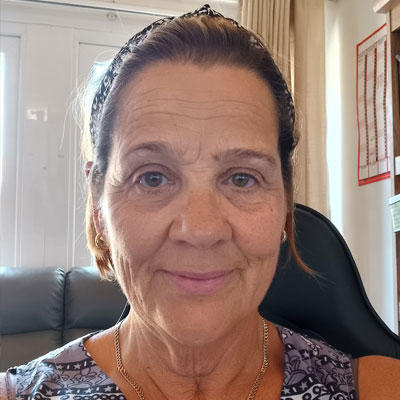
Your nursing course is primarily delivered by Registered Nurses who bring with them a breadth of experience from cross health and social care to ensure you are taught by a team who are up to date with current methods and strategies underpinning the current health and social care workforce.

Course Leader

Lecturer

Senior Lecturer
Lecturer

Lecturer

Senior Lecturer

Simulated Learning Nursing Lead

Clinical Placement Tutor

Senior Lecturer

Senior Lecturer

Senior Lecturer

Lecturer
The University cannot guarantee any particular members of staff will teach specific aspects of the course in the future, but will endeavour to ensure the teaching team maintains their balance of experience and qualifications.
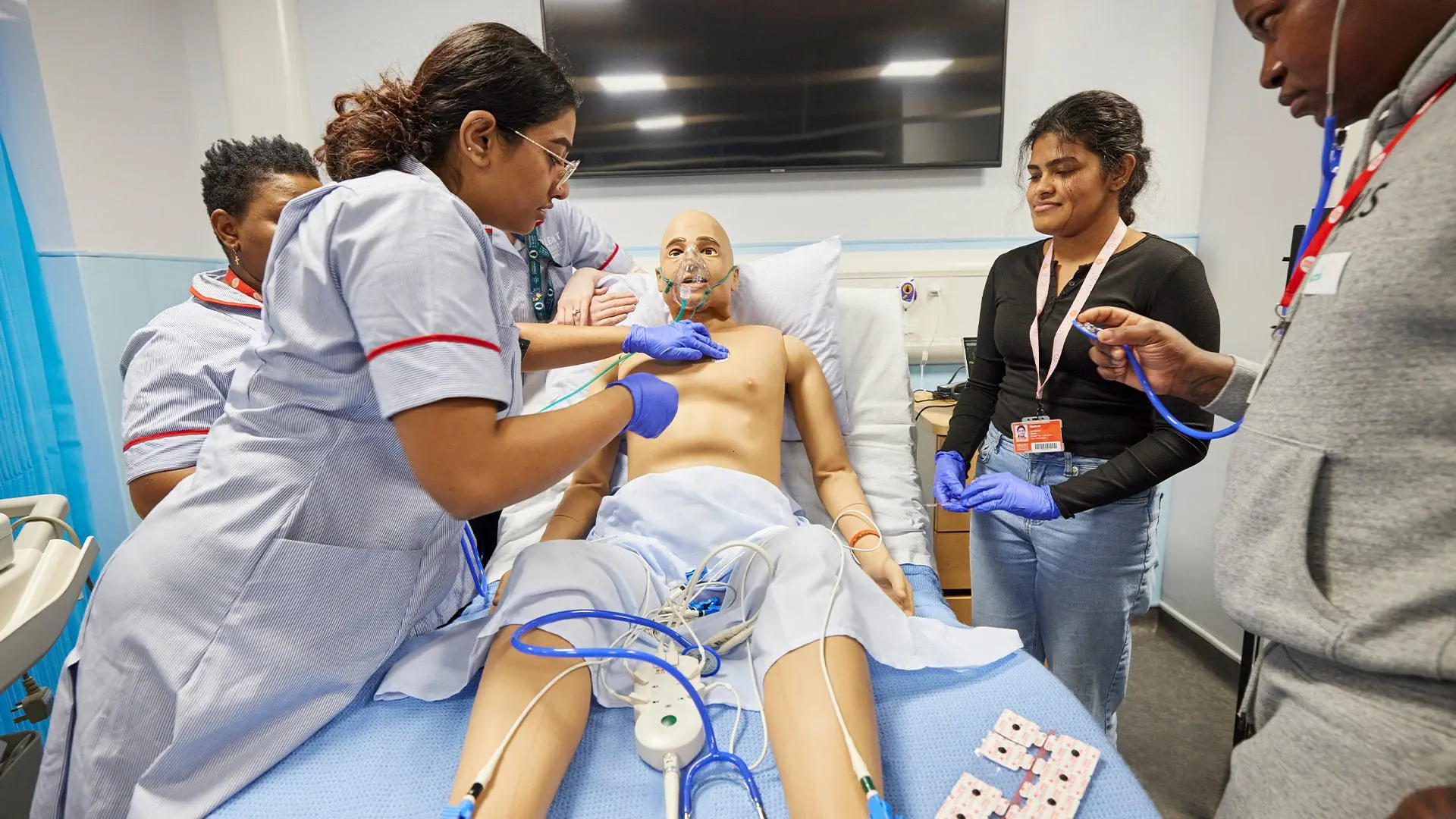
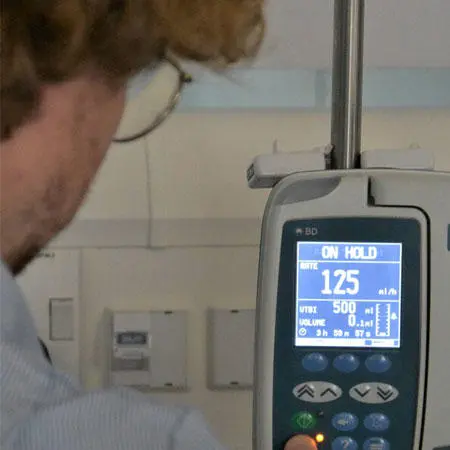
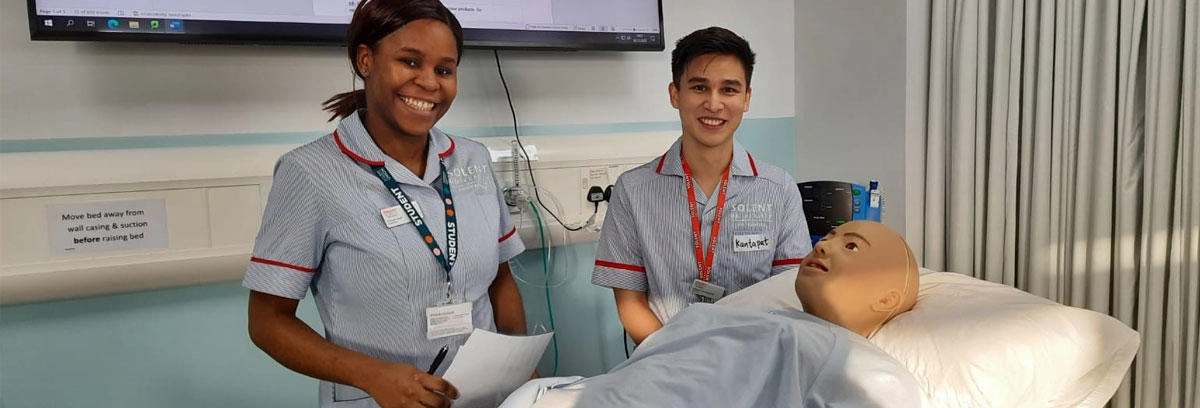
You’ll have access to a range of our specialist facilities, including a nursing simulation suite, nutrition labs and biomedical science labs. Through our partnership working with local NHS trusts you are likely to also have access to nursing simulation suites and professional spaces.
Our vibrant campus brings state-of-the-art facilities to enhance your learning and elevate your student experience. Our award-winning teaching building, The Spark is centred around students and offers a stimulating study environment with flexible learning spaces. Away from studying, why not try out the gyms, fitness studios and sports halls in our £28 million Sports Complex, or watch a blockbuster film at our student-run cinema with Dolby Atmos audio.
In this module you'll gain the essential foundation skills required for entering the profession of nursing, focusing on the development of professional identity, communication skills, and ethical practice. You will explore key nursing theories and develop the central communication skills required to build compassionate, respectful, and effective relationships with patients and service users from diverse backgrounds. You'll also be introduced to fundamental clinical nursing skills and provide you with basic physical first aid and basic life support.
This module introduces you to the scientific foundations of nursing practice, combining essential knowledge of anatomy and physiology with psychological perspectives on health and wellbeing. You will explore the structure and function of the human body across major systems, developing an understanding of how physiological processes support life and respond to illness or injury. You'll also be introduced to the concepts of taking, tracking and escalating observations, recording them using foundation numeracy and digital skills required to support your first placements.
This module introduces you to public health with health promotion and prevention components, enabling you to build an early understanding of how health is shaped by biological, psychological, social, cultural, and environmental factors. Nurses are central to reducing health inequalities, promoting wellbeing, and preventing illness across diverse populations and emphasis is placed on health promotion and selfcare strategies for society, enabling you to recognise how nurses can empower patients of all ages to monitor and maintain their own wellbeing while recognising the social determinants of health.
In this module, you'll focus on achieving the NMC proficiencies in Practice by attending placements in a range of practice areas. The module is designed to provide you with the essential foundations of the Registered Nurse and will equip you with the professional, legal and ethical knowledge required for this highly regulated role. You'll be prepared for stepping into the health and social care environments as a student nurse and achieving a solid foundation of fundamental care skills by the end of your first year.
In this module you will examine and assesses the complex dimension of global health delivery through an inclusive and culturally informed lens. Drawing on medical and psychological anthropology, you'll explore how health, illness, and care are perceived and experienced across diverse communities, and how these insights inform the development of equitable, person-centred healthcare practices worldwide.
This module will develop your knowledge, skills, and confidence in recognising, assessing, escalating, and now responding to clinical deterioration in the adult acute care environment. You will recognise that patients can deteriorate both physically and mentally very quickly in a variety of healthcare settings, but there is a very different set of skills and knowledge required when working in the acute environment of our major hospitals and trauma centres. Throughout the module, you will develop your observations skills to instigate, track and escalate observations, developing your interpretations skills, and ability to observe patterns and trends and those which instigate early warning systems.
In this module you will explore physiological, psychological, social, and economic interventions that support care across the lifespan. Building on what you learned in your first year, you'll learn to use assessment tools, interventions, and therapies to plan and deliver safe, effective care, and you will develop your understanding of medicines management as a core aspect of nursing practice.
This is the second practice learning module you will complete as part of this degree and is often referred to as Part 2. This module builds on the theory and clinical skills you gained as a nursing student in Part 1 and focuses on enhancing your proficiency in clinical care, conducting patient assessment, writing treatment plans, and building your knowledge of medicines management. Practice learning this year provides an opportunity to integrate new theoretical knowledge from your academic studies into real-world practice.
In this module you'll develop your ability to critically evaluate a wide range of research evidence and apply key research principles to your nursing practice. You will build upon your knowledge to understand research and clinical evaluation methods, undertake critical appraisal, and interpret audit data. Through this, you will gain the skills required to contribute to quality improvement initiatives, evidence-based decision-making, and service innovation within contemporary healthcare settings.
This module will equip you with the knowledge, skills, and confidence to not only lead and manage across a range of health and social care settings, but also facilitate learning within a modern digital service. You will critically examine leadership theories, explore strategies for effective teamworking, and develop your ability to support, assess, and educate students, colleagues, and service users. At the end of the module you will have produced a service improvement proposal which could be used for future interview purposes.
Modern health and social care providers are required to support people living with long term conditions, dual diagnosis and comorbidities, where the complexity of their condition and the needs of those who care for them extends across home, community, primary, secondary, and tertiary care. This module consolidates and develops your prior learning by focusing on the knowledge, skills, and professional judgement required to manage and coordinate complex cases. You will have the opportunity to engage with ethical and legally challenging scenarios, where the outcome can be dynamic or unpredictable and requires interprofessional or multiagency collaboration.
This final practice learning module prepares you for your role as a newly qualified nurse. You have progressed from placements in your first and second years, and these final placements require you to develop your proficiency in clinical skills, the assessment of complex care, creation of treatment plans, and, finally, your working knowledge of medicines and medicines management.
Contact international admissions
Email: Call:As part of this course, you will study one module at a time, giving you the chance to build a deeper understanding and see the results of your hard work more quickly. With regular assessments and feedback, rather than exams all at once, you’ll also benefit from improved focus, and a more manageable workload.
Learn more about block teaching
The student achievement team are on hand to help you succeed during your studies at Solent. They aim to contact you at key times during your time here with personalised information, advice and guidance, by email or phone.
The disability advice team provides information, advice and guidance for disabled students.
All students can access Succeed@Solent, Solent's online guide to getting better grades. It offers extensive, practical information and advice on topics such as academic writing, research and presentations.
Nurses are in demand across the UK. In the NHS alone, adult nurses make up the largest part of the workforce.
The course team has developed this programme in partnership with partner NHS Trusts and other health and social care providers.

Starting salary: £32,073
Starting salaries in the NHS rise to £39,043 (Band 5). With experience, in positions such as senior nurse (Band 6), salaries progress to £39,959 to £48,117.
Salary range: £25,000 to £55,000
Salaries vary, depending on whether you work for a local authority or NHS trust, or for private and not-for-profit provisions.
The stated salaries are published on prospects.ac.uk. Income figures are intended as a guide only.
Hear from Solent alumni about where their careers have taken them and how studying at Solent prepared them for their future.
Read more stories“ Effective communication is a vital aspect of my role, as I interact with patients and their families.”
The Solent Careers team is committed to getting students into great careers.
While you are studying, the team can help you with finding work experience or placements, link you with a mentor, check your CV, or offer one-to-one guidance.
We also have graduate job opportunities just for Solent graduates.

Top 25%
of UK unis for sustained employment
Longitudinal Educational Outcomes, 2025
Every student at Solent University will also have the option to study an additional Certificate in Practical Artificial Intelligence qualification alongside their course. Free of charge, the course ensures you'll be prepared for a fantastic and varied career after graduation.

Thinking about studying further than an undergraduate degree? Alumni can get 20% off their postgraduate study.

Gain advanced skills, independent and supplementary prescribing rights and lead compassionate, personalised end-of-life care.
Find out more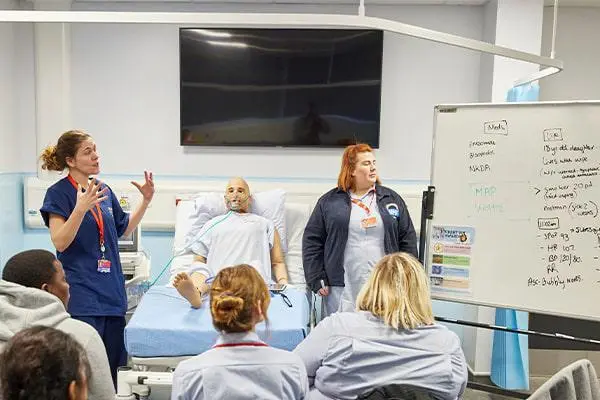
This course provides skills for health care professionals to become NMC accredited as an Independent and Supplementary prescriber.
Find out moreThe tuition fees for the 2027/28 academic year are not yet available. For guidance, the 2026/27 fees were:
For further information, please visit our tuition fees page.
While most course costs are covered by your tuition fees, some essential resources and optional extras may need to be paid for separately. These additional costs are listed below. For advice on budgeting and managing your money, please contact student.funding@solent.ac.uk.
All nursing students on courses may be eligible for non-repayable government funding of at least £5,000 a year. Further information can be found on the NHS Careers website.
The 2026/27 additional costs are not yet available. For guidance, previous additional costs have been:
Essential costs
Solent University offers a range of bursaries and scholarships that provide financial assistance or waive fees for tuition or accommodation. Each bursary or scholarship has specific eligibility criteria. Check out our bursaries and scholarships pages to find out more.
Cost of living support
At Solent, we understand that the cost of living crisis may be of some concern. To help, we've put together some detailed information to show what support is available and how to make your money go further.
Graduation costs
There is no charge to attend graduation, but you will be required to pay for the rental of your academic gown (approximately £45 per graduate, depending on your award). You may also wish to purchase official photography packages, which range in price from £15 to £200+. Graduation is not compulsory, so if you prefer to have your award sent to you, there is no cost. Extra guest tickets will go on sale after results publication and will be sold on a first-come-first-served basis. The cost per ticket is currently £20. Please note, we do not guarantee there will be any extra tickets available to purchase.
Contact international admissions
Email: Call:Please select an option below:
As a general guide, we look for qualifications that are equivalent to the British high school A-levels.
All applicants must be 18 by the second month of commencing any pre-registration programme.
International students are subject to the University admissions process regarding international applications, and the key entry requirements for UK students. In addition, international applicants must meet IELTS level 7.
If you are applying from outside the UK, find information about entry requirements, visas and agents for your country here.
For further information about EU qualifications, please see our course entry requirements document.
As a general guide, we look for qualifications that are equivalent to the British high school A-levels.
All applicants must be 18 by the second month of commencing any pre-registration programme.
International students are subject to the University admissions process regarding international applications, and the key entry requirements for UK students. In addition, international applicants must meet IELTS level 7.
If you are applying from outside the UK, find information about entry requirements, visas and agents for your country here.
For further information about international qualifications, please see our course entry requirements document.
All international applicants need to be aware that the English language requirements to attend Solent University, and the English language requirements to obtain a visa from the Home Office, may be different. This means that if you meet the Solent University language requirement to gain a place on the course, you may still have to meet additional requirements to be granted with a visa by the Home Office.
We strongly advise all applicants to visit the Home Office website which outlines all the requirements for a successful visa application.
Full-time
Any student applying for the first year of a full-time/sandwich undergraduate course must apply through UCAS (University and Colleges Admissions Service). This includes mature, overseas and EU students.
Nearly all schools and colleges offer their students the facility of applying electronically through the UCAS website using 'Apply'; it may also be used by those applying independently in the UK and overseas. This facility and all course information can be found on the UCAS website: www.ucas.com.
Your application should reach UCAS by 14 January if you hope to enter a course the following autumn. Early application is advised for the most popular subject areas. Late applications may be made until the end of June. The UCAS Code for the University is S30, code name SOLNT.
Find out what happens after you apply
Contextual offers
Solent endeavours to offer learning opportunities to students from all backgrounds. When we receive and review an application, we take into consideration the context and personal circumstances of applicants when making a decision, which means our advertised entry tariff could be reduced.
Find out more about Solent's contextual offers
For applicants where English is not their first language, English language proficiency must be at a minimum of IELTS band 7.0 with a minimum component score of 7.0 in reading, listening and speaking, and 6.5 in writing. The Nursing and Midwifery Council (NMC) will also accept the OET examination certificate, for further information please refer to the NMC website.
Qualifications are checked before enrolment and international students must bring their original certificates or certified copies when coming to study at the University.
The University also offers a Pre-sessional English language course for international students who wish to improve their level of English before starting a degree course.
Contact international admissions
Email: Call: