“I was able to find those areas in which I excel and which I wanted to experience further.”


Follow your passions for sport and helping people reach their wellness goals. Our fantastic facilities and focus on practical experience will foster a rewarding career in a growing sector.
Contact international admissions
Email: Call:Whether your passion is in health and fitness, physiology and exercise science, nutrition or helping people overcome their health challenges, this course utilises Solent’s excellent reputation for its sport, health and fitness provision to prepare you for success.
You'll explore all aspects of fitness and personal training, building advanced skills in clinical exercise physiology and rehabilitation, strength and conditioning, personal training, sports massage therapy, public health and nutrition to provide you with a wide range of career options.
You'll also explore all aspects of health and exercise science, preparing you for a range of careers in the health and well-being sector, gaining vital knowledge in nutrition, clinical exercise science or public health and psychology.
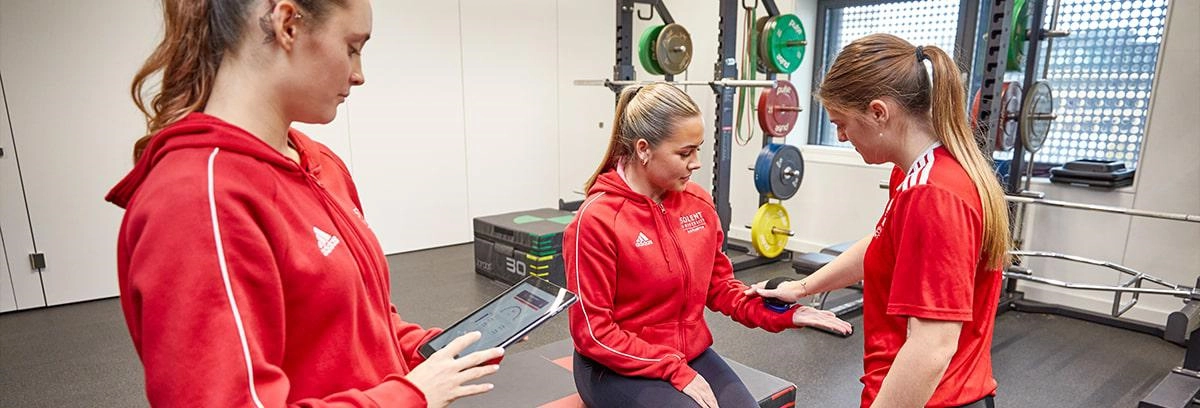
The course team have a special blend of academic excellence and industry experience which brings great creativity. They have a wealth of in-house health and wellbeing initiatives for you to get involved with, including a personal training scheme, strength and conditioning academy, exercise rehabilitation clinic and nutrition counselling service, so you can gain all the real world learning you need or plan your research in a real-world context without even leaving campus. There are also plenty of external partnerships available if you do want to go out on placement.
The course is fully endorsed by the Chartered Institute for the Management of Sport and Physical Activity (CIMSPA) for three CIMSPA competencies - Gym Instruction (after the first year), Personal Training, and Working with Referred Populations (after the second year) - allowing students access to the CIMSPA register. Students will also gain CIMPSA recognition for Cancer Rehabilitation (after the third year).
Solent is renowned for its focus on employability enhancement and links with professional associations. This course has extra professional qualifications available to enhance your skills and employability:
If you’re looking to study our fitness, health, nutrition and exercise degree but don’t have the relevant qualifications or experience, the health, sport and social sciences foundation year will help you develop the core skills and knowledge to progress. Find out more about the health, sport and social sciences foundation year.
This course also offers the option of a placement year. A placement year allows you to put what you've learned in your first and second years into practice in the workplace, gaining valuable real-world work experience before you graduate. Our course and placements teams will help you find the perfect industry placement in your chosen field.
Endorsed by:

Active iQ
This course is ideal for anyone with a passion for helping individuals achieve their health, nutrition or fitness goals. Perfect for school-leavers, mature students and international applicants. This course offers you the opportunity to make a real difference to the health and well-being of your nation in a growing and exciting jobs market.
The skills you’ll develop on this course open up a wide range of career opportunities. Graduates have a wealth of career options to choose from, such as:
The course allows you access to postgraduate study in nutrition, where you can gain fully accredited status to the AfN, as well as many other postgraduate courses in physiotherapy, dietetics, and public health. Courses you could consider are:
Hear from Solent alumni about where their careers have taken them and how studying at Solent prepared them for their future.
Read more stories“I was able to find those areas in which I excel and which I wanted to experience further.”
Staff bring a unique blend of academic excellence and research informed teaching with substantial industry experience to ensure you’re work ready, world ready and future ready.
The University cannot guarantee any particular members of staff will teach specific aspects of the course in the future, but will endeavour to ensure the teaching team maintains their balance of experience and qualifications.
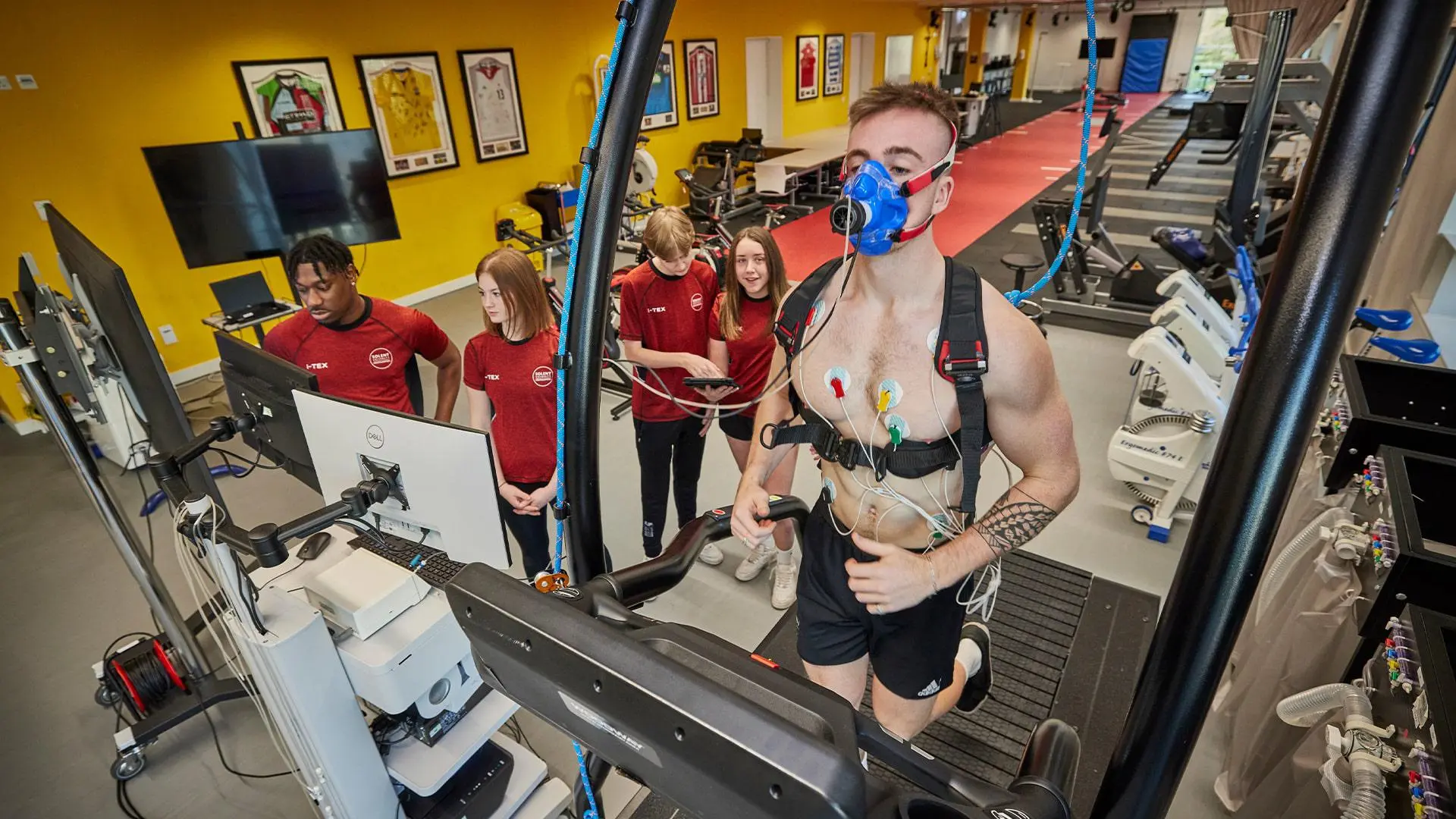
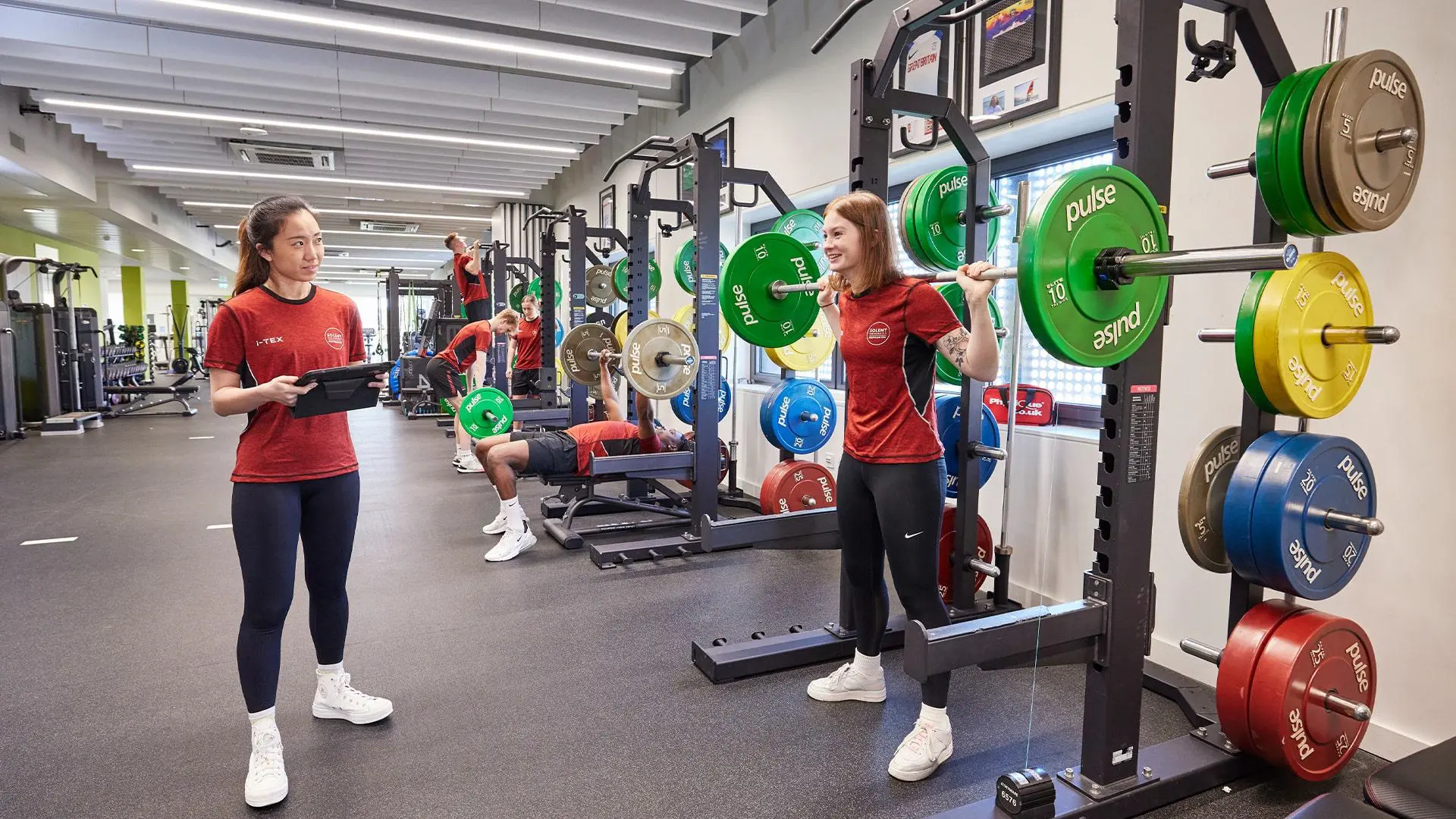
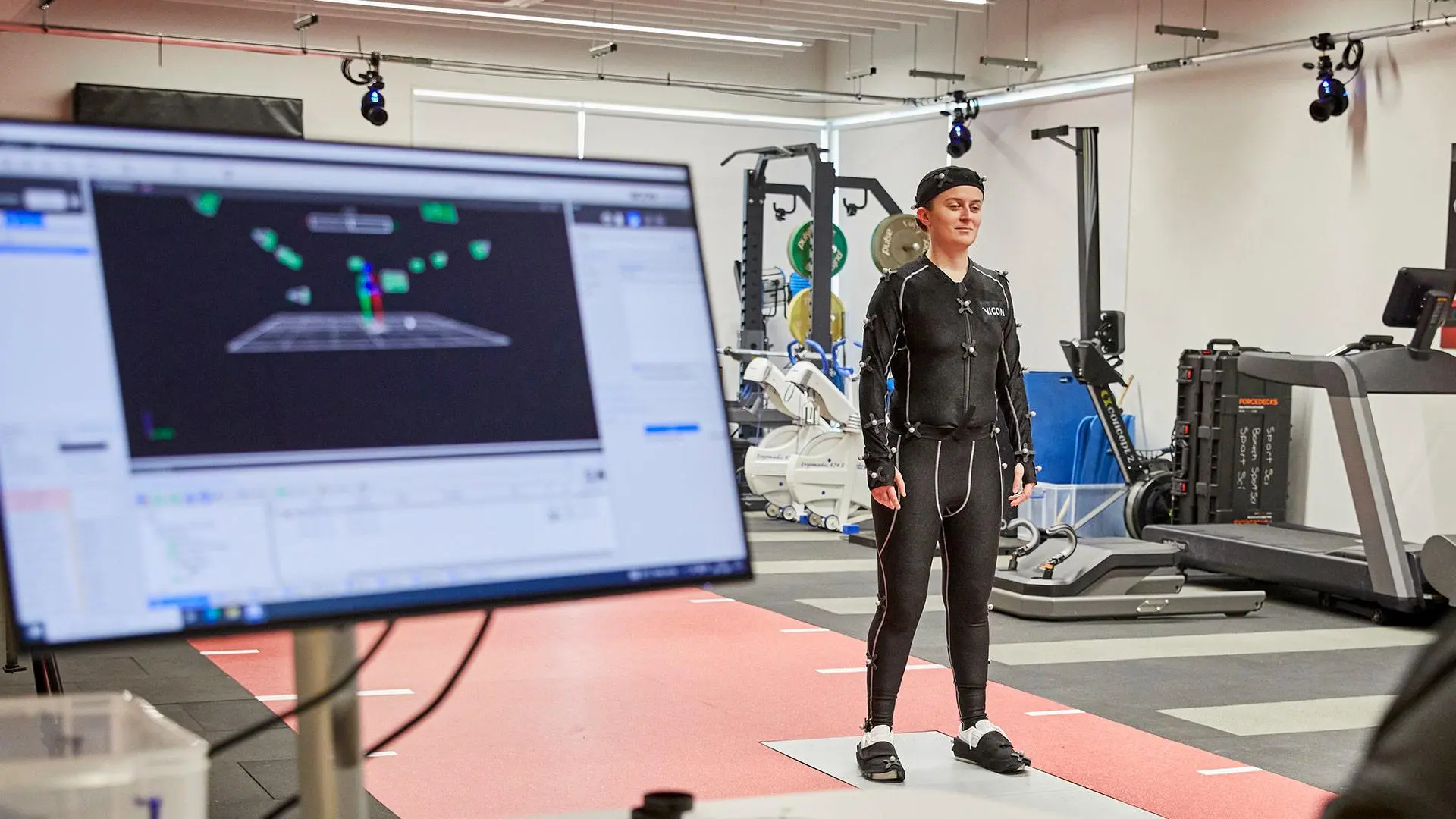
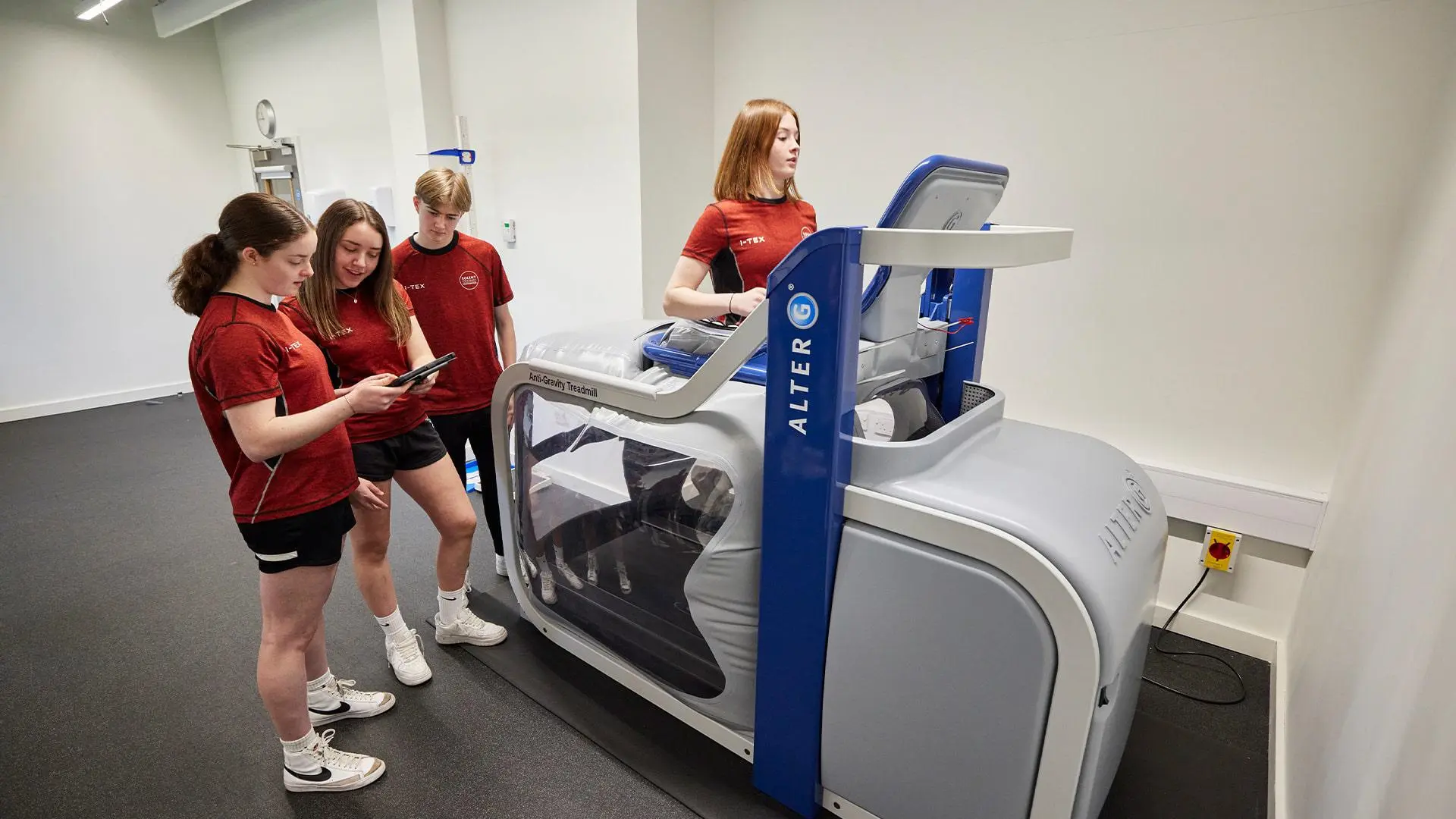
Throughout your studies you'll have the opportunity to use a range of high-quality facilities including the sports complex which features teaching gyms and is where all fitness qualifications and the majority of your real-world learning experiences take place. You'll also use our CASES-accredited sport science laboratories, where you'll learn and experience first-hand the scientific equipment used to monitor and enhance human health and performance.
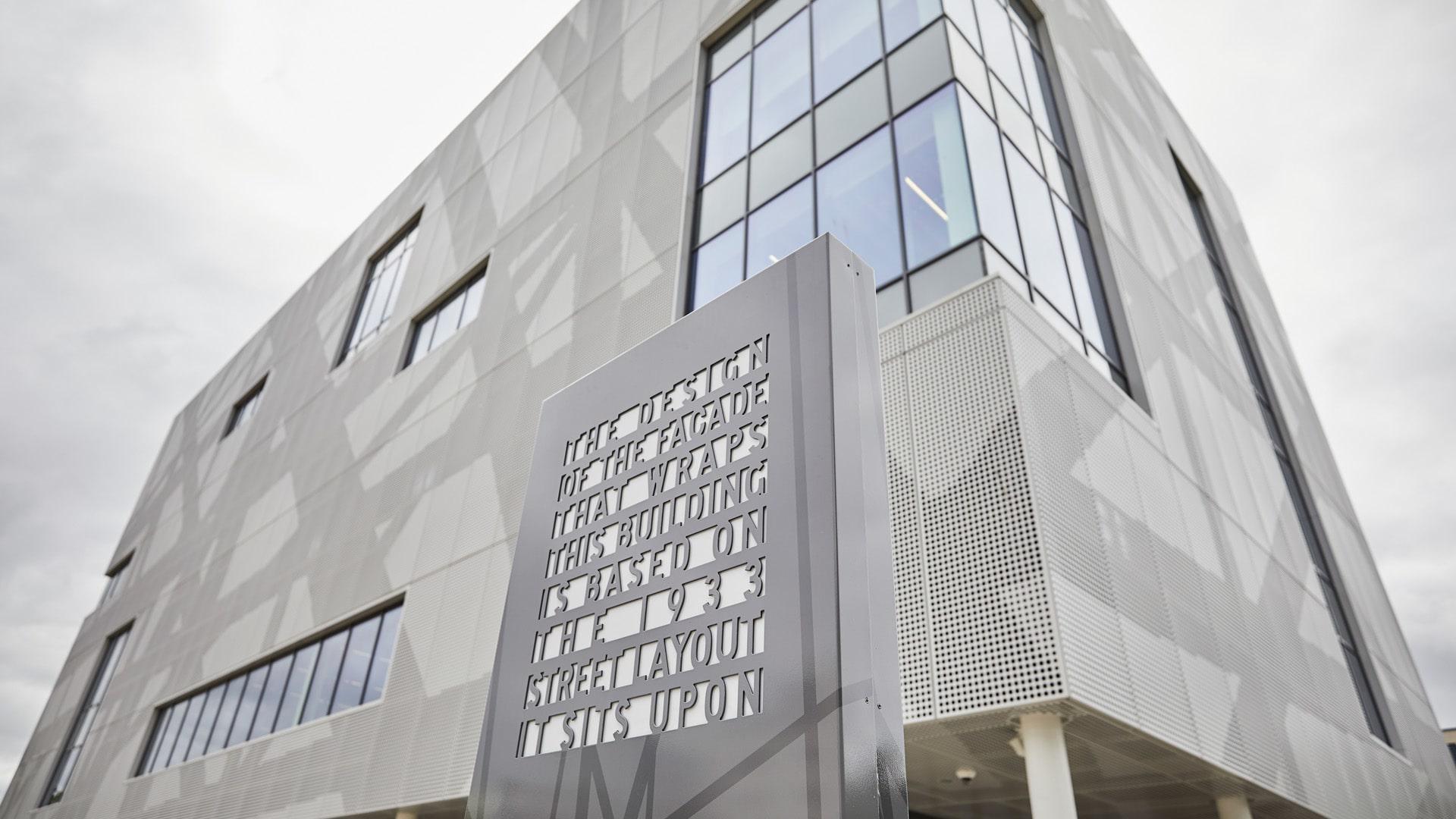
Our vibrant campus brings state-of-the-art facilities to enhance your learning and elevate your student experience. Our award-winning teaching building, The Spark is centred around students and offers a stimulating study environment with flexible learning spaces. Away from studying, why not try out the gyms, fitness studios and sports halls in our £28 million Sports Complex, or watch a blockbuster film at our student-run cinema with Dolby Atmos audio.
Broaden your horizons by adding an international dimension to your CV – essential to achieving success in today’s fast-changing, global environment.
Studying, working or volunteering in another country could be the experience of a lifetime. Enhance your degree by developing important global skills such as knowledge of other countries, language skills, intercultural awareness, adaptability and confidence.
For more information, please email international.mobility@solent.ac.uk.
This module forms a large proportion of the competencies required to become a qualified fitness instructor. If you are already qualified and working in the industry, this module will also elevate and enhance your skills, knowledge and technique and take you to the next level in both competence and professionalism.
In this module you'll gain an understanding of the WHO principles that underpin health promotion and the key social and psychological factors that shape the health outcomes of populations. You'll learn the ‘building blocks of health’ - the social determinants of health and why the conditions of daily life are the single most important influence on health status. You'll also examine how social factors create recognised unfair and avoidable differences in health outcomes across society.
In this module you'll develop foundational knowledge of human anatomy and physiology relevant to sport and exercise, while introducing students to essential research skills used in physiological science. Through a combination of lectures, laboratory practical, and guided study, you'll gain a detailed understanding of the structure and function of major body systems, the acute and chronic responses to exercise, and the basic principles of experimental design and data analysis.
In this module you’ll learn about the link between nutrition and health, how to analyse a diet, make healthy-eating recommendations, and what your professional boundaries are. The module has a strong focus on the underpinning theory of human metabolism and nutritional intake, together with current guidelines and strategies for weight management.
This module will provide you with the knowledge and practical skills required to carry out effective client-focussed soft tissue treatments to enhance performance and aid recovery from injury. You'll gain practical hands-on experience of preparing, performing and evaluating soft tissue treatments. Additionally, participation in this module will give you the opportunity to enrol on the Active IQ Level 3 Sports Massage qualification.
This module is underpinned by the WHO's definition of health as a more than absence of disease and a positive concept, comprising of physical, mental and social components. You'll explore ‘health creation’, via strengthening and linking resources for health that enhance people's capabilities and improve wellbeing. By the end of the module, you'll be able to design an asset-based intervention to improve health, as well as having the opportunity to gain the CIMSPA Health Navigator professional standard.
This module provides you with the opportunity to develop professionally competent practice-led skills, enabling you to plan, conduct and review programmes that address the needs of healthy and diseased clients.
This module addresses the burden of cardiovascular disease as the leading cause of death worldwide with increasing prevalence in all age groups, genders, and ethnicities. The module also incorporates contemporary evidence-based theories of behaviour change which recognises the psychology of prescription for any physical activity or exercise interventions. By using specific, effective exercise strategies, you'll learn to help delay the onset of many cardiac conditions and comorbidities, help patients with rehabilitation following a cardiac event, and support patients in goal setting and self-management of their condition.
This module is particularly relevant to those who aspire to work in sports science, coaching, health and exercise, sports nutrition or elite sport. It will enable you to understand the scientific theory of the field - combined with the practical expertise - to apply nutrition to improve performance in a wide variety of disciplines.
In this module, you'll connect the physiological responses and adaptations to exercise in athletic and clinical populations in line with computing basic statistics. You'll be able to differentiate physiology when movement is involved (kinesiology aspect) and develop advanced practical and analytical research skill in a sport and exercise context, enabling you to produce evidence-based research methods to exercise prescription and performance management.
Progressing from the Fitness Training for Healthy and Special Clients and Applied Exercise Physiology modules, you'll investigate further the science of long-term disease and disease management. You will investigate the theory and practice of exercise rehabilitation such as cardiac, stroke and cancer rehabilitation and you will hone your skills in our exercise labs with referred patients from local hospitals and charities.
This module will provide you with an opportunity to standout from your peers and demonstrate to future employers why you are a highly valued applicant. You'll have the choice of either a dissertation style 'study' or a work placement report, depending on your career aspirations and perceived strengths. Your project will allow you to demonstrate organisation skills, evaluation and critical thinking, and the ability to work independently on a significant piece of work
Contact international admissions
Email: Call:As part of this course, you will study one module at a time, giving you the chance to build a deeper understanding and see the results of your hard work more quickly. With regular assessments and feedback, rather than exams all at once, you’ll also benefit from improved focus, and a more manageable workload.
Learn more about block teaching
The student achievement team are on hand to help you succeed during your studies at Solent. They aim to contact you at key times during your time here with personalised information, advice and guidance, by email or phone.
The disability advice team provides information, advice and guidance for disabled students.
All students can access Succeed@Solent, Solent's online guide to getting better grades. It offers extensive, practical information and advice on topics such as academic writing, research and presentations.
The role exercise and nutrition plays in healthy ageing and disease reduction has become a focus for national health policy in recent times. Government and NHS policy is shifting toward 'social prescribing', which research has shown to often be more effective at lifestyle-related disease control than drugs.
This has led to increased demand for practitioners skilled in clinical exercise rehabilitation, health nutrition and behaviour change psychology.
A recent survey conducted with employers of the health and fitness industry identified that current training is insufficient and lacks proper insight into medical conditions, nutrition and psychology. Training should also offer students access to real-life patients/clients. Our BSc (Hons) Health, Nutrition and Exercise Science course responds to both the results of this survey and to the increasing need for suitably trained individuals in the health and well-being sector.
Starting salary: £15,000 to £24,000
This is for those employed by a gym or similar - salaries could rise to £35,000. Freelance instructors could earn between £20 and £40 per hour.
Salary range: £18,000 to £35,000
For exercise physiologists working in the sports sector. Clinical exercise physiologists working in the NHS would typically start at the lower end of the Band 5 (£27,055 to £32,934) and will need to gain a considerable amount of experience to progress up the pay scale.
Starting salary (public sector): £22,000 to £28,000
Private sector starting salaries can range between £23,000 and £30,000.
The stated salaries are published on prospects.ac.uk. Income figures are intended as a guide only.
Hear from Solent alumni about where their careers have taken them and how studying at Solent prepared them for their future.
Read more stories“I was able to find those areas in which I excel and which I wanted to experience further.”
The Solent Careers team is committed to getting students into great careers.
While you are studying, the team can help you with finding work experience or placements, link you with a mentor, check your CV, or offer one-to-one guidance.
We also have graduate job opportunities just for Solent graduates.

Top 25%
of UK unis for sustained employment
Longitudinal Educational Outcomes, 2025
Every student at Solent University will also have the option to study an additional Certificate in Practical Artificial Intelligence qualification alongside their course. Free of charge, the course ensures you'll be prepared for a fantastic and varied career after graduation.

Thinking about studying further than an undergraduate degree? Alumni can get 20% off their postgraduate study.
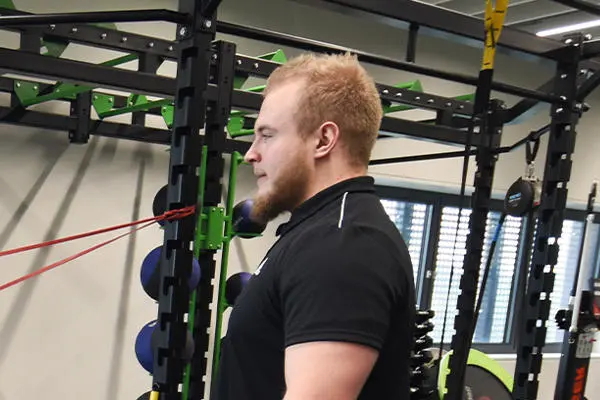
Explore the science behind physical health and exercise and the impact it has on individuals with clinical disease on this industry-led, practical course.
Find out more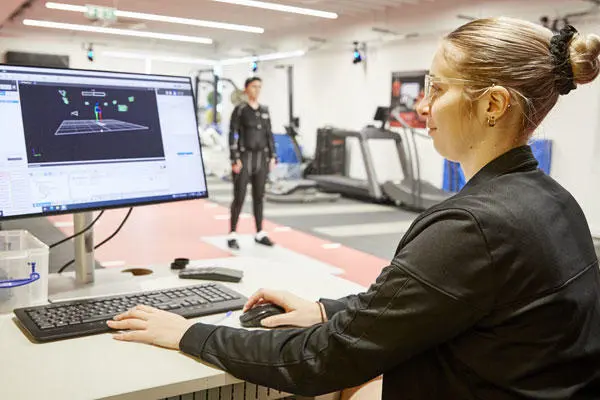
Learn to develop and apply your sport and exercise therapy, physiotherapy, or sports rehabilitation expertise to work with injured and non-injured athletes across all sports.
Find out moreThe tuition fees for the 2027/28 academic year are not yet available. For guidance, the 2026/27 fees were:
For further information, please visit our tuition fees page.
While most course costs are covered by your tuition fees, some essential resources and optional extras may need to be paid for separately. These additional costs are listed below. For advice on budgeting and managing your money, please contact student.funding@solent.ac.uk.
The 2026/27 additional costs are:
Compulsory costs
Optional costs
Solent University offers a range of bursaries and scholarships that provide financial assistance or waive fees for tuition or accommodation. Each bursary or scholarship has specific eligibility criteria. Check out our bursaries and scholarships pages to find out more.
Cost of living support
At Solent, we understand that the cost of living crisis may be of some concern. To help, we've put together some detailed information to show what support is available and how to make your money go further.
Graduation costs
There is no charge to attend graduation, but you will be required to pay for the rental of your academic gown (approximately £45 per graduate, depending on your award). You may also wish to purchase official photography packages, which range in price from £15 to £200+. Graduation is not compulsory, so if you prefer to have your award sent to you, there is no cost. Extra guest tickets will go on sale after results publication and will be sold on a first-come-first-served basis. The cost per ticket is currently £20. Please note, we do not guarantee there will be any extra tickets available to purchase.
Contact international admissions
Email: Call:Please select an option below:
As a general guide, we look for qualifications that are equivalent to the British high school A-levels.
If you are applying from outside the UK, find information about entry requirements, visas and agents for your country here.
For further information about EU qualifications, please see our course entry requirements document.
For international students who do not meet the direct entry requirements for this undergraduate degree, our trusted partner, QA Higher Education offers the following pathway programme designed to develop your academic and English language skills:
As a general guide, we look for qualifications that are equivalent to the British high school A-levels.
If you are applying from outside the UK, find information about entry requirements, visas and agents for your country here.
For further information about international qualifications, please see our course entry requirements document.
For international students who do not meet the direct entry requirements for this undergraduate degree, our trusted partner, QA Higher Education offers the following pathway programme designed to develop your academic and English language skills:
All international applicants need to be aware that the English language requirements to attend Solent University, and the English language requirements to obtain a visa from the Home Office, may be different. This means that if you meet the Solent University language requirement to gain a place on the course, you may still have to meet additional requirements to be granted with a visa by the Home Office.
We strongly advise all applicants to visit the Home Office website which outlines all the requirements for a successful visa application
Full-time
Any student applying for the first year of a full-time/sandwich undergraduate course must apply through UCAS (University and Colleges Admissions Service). This includes mature, overseas and EU students.
Nearly all schools and colleges offer their students the facility of applying electronically through the UCAS website using 'Apply'; it may also be used by those applying independently in the UK and overseas. This facility and all course information can be found on the UCAS website: www.ucas.com.
Your application should reach UCAS by 14 January if you hope to enter a course the following autumn. Early application is advised for the most popular subject areas. Late applications may be made until the end of June. The UCAS Code for the University is S30, code name SOLNT.
Find out what happens after you apply
Contextual offers
Solent endeavours to offer learning opportunities to students from all backgrounds. When we receive and review an application, we take into consideration the context and personal circumstances of applicants when making a decision, which means our advertised entry tariff could be reduced.
Find out more about Solent's contextual offers
Applicants who do not have English as their first language will be required to demonstrate an approved level of proficiency in the use of the English language. The agreed minimum requirements for this course are:
TOEFL IBT tests taken prior to 21 January 2026
TOEFL IBT tests taken from 21 January 2026
Qualifications are checked before enrolment, and international students must bring their original certificates or certified copies when coming to study at the University.
Pre-Sessional English programme
The University also offers a pre-sessional English programme for international students who wish to improve their level of English before starting a degree course.
Contact international admissions
Email: Call: