
MArchMaster of Architecture
Apply direct
- 2026
- 2027
- 1 year full-time (direct entry to level 7)
- 2 years full-time (direct entry to level 6)
- 2 years part-time (direct entry to level 7)
- 3 years part-time (direct entry to level 6)
- 4 years
- 5 years with foundation year
- 7 years part-time
Why study a master of architecture integrated degree at Solent University
Prepare for a rewarding career in architecture by building strong design, technical and professional skills, blended with creativity, sustainability and real-world practice.
- 0ndin the UK for student satisfaction in architecture studies, out of 58 institutions (Complete University Guide 2027)
- 0thin the UK for architecture, out of 57 institutions (The Guardian University Guide 2027)
- Top0%nationally for sustained graduate employment (LEO 2025)
- Work on industry briefs and real-world architecturally and technically driven projects: design from concept to technical detail (RIBA stages 0-4) and present to clients and industry professionals.
- You'll use cutting-edge facilities, such as design studios, BIM software, 3D printing, model-making workshops, and digital labs.
- You'll have the opportunity to showcase your work by presenting your projects to employers and the public at our annual summer show, often leading to graduate employment.
- The course is sustainably focused, applying cutting-edge sustainable design strategies and BREEAM benchmarks to new build and refurbishment projects.
- Study in the heart of a vibrant city undergoing significant architectural and urban development.
- The course has flexible pathways to entry: students with prior learning or professional experience can join the course to study Part 2 at level 6 or level 7.
Any questions?
Contact international admissions
Email: Call:Course overview
Solent's Master of Architecture (Part 2) is an innovative, career-focused course that will equip you with the skills, knowledge, and professional insight needed to thrive in the modern architectural profession. Blending creativity with technical rigour, sustainability, and real-world practice, this course provides a direct pathway towards professional architectural practice.
Building on our 30-year reputation for delivering industry-focused architectural education, the MArch integrates design excellence with practical expertise. You'll explore architecture as a socially responsible, sustainable, and contextually aware discipline, developing proposals that are inclusive, user-centred, and environmentally conscious. The course prepares you to respond to the evolving challenges of the built environment, from climate change and social equity to safe and innovative construction practices.
Through studio projects, live briefs, and research-led learning, you will develop advanced design, technical, and project management skills. You’ll also gain experience in legislation, sustainability frameworks, building technologies, and professional practice - all to ensure you're work-ready and capable of leading projects in a fast-paced, global industry when you graduate. Collaboration and leadership are central to the programme, helping you build confidence in working with clients, stakeholders, and multidisciplinary teams.
The MArch fosters independent thinking and critical reflection, enabling you to tackle complex design challenges and make informed, ethical decisions in practice. With strong industry links and exposure to real-world scenarios, you will graduate with the expertise to make an immediate impact in architectural practice, contributing to safe, sustainable, and socially responsible environments.
We are extremely proud of our links with industry, built over many years of close and mutually beneficial collaborations. We work with our industry partners to facilitate employment opportunities for students, and we continue to develop new relationships with industry. Our contacts regularly provide students with real-world employability opportunities, such as guest lectures, site visits, and live briefs. Employers and former students often take part in studio crits and presentations. We regularly work with industry partners including Adam Architecture, Architecture PLB, Boyle and Summers, Corstorphine and Wright, KPF, HGP Architects, HNW Architects, HPW Architects, Hyphen, LSH Architects, Noviun Architects, PDP Architecture, Purcell, Ridge and Partners, Simpson Hilder Associates, Studio Four Architects, and Symmetry Architects.
By joining Solent, you will become part of a forward-thinking, practice-led learning community committed to shaping the next generation of architects. You'll learn in a stimulating, supportive, and innovative environment where creativity meets technical excellence, preparing you to build a successful, future-ready career in architecture.
If you’re looking to study our integrated master of architecture degree but don’t have the relevant qualifications or experience, the art and design foundation year will help you develop the core skills and knowledge to progress. Find out more about the art and design foundation year.
Direct entry to this course is also available at level 6 and level 7, ideal for those already holding an undergraduate architecture qualification wishing to study Part 2.

Accreditations
Accredited by:

Who is this course for?
Southampton Solent’s Master of Architecture is designed for students who want to combine creative design with technical expertise and prepare for a career as an architect.
The course is ideal for those passionate about sustainability, social responsibility, and inclusive design, and who want to create buildings and spaces that make a positive impact on people, communities, and the environment.
If you are motivated, curious, and ready to develop both your creative and technical skills, this MArch will equip you for a dynamic and rewarding career in architecture.
What does this course lead to?
Graduates of Solent’s Master of Architecture will be well prepared for a wide range of professional roles and will be equipped with the technical, creative, and professional skills required to succeed in a dynamic and evolving industry. Suitable roles for graduates include:
- Architect (after completion of professional practice requirements)
- Design architect
- Project architect
- Architectural technologist
- Urban designer
- Sustainability consultant
- Digital design and Building Information Modelling (BIM) specialist
- Construction project manager
- Conservation or heritage architect
- Landscape architect (with further study or experience)
- Design researcher
- BIM coordinator
- Facilities planner
- Environmental design consultant
Facilities
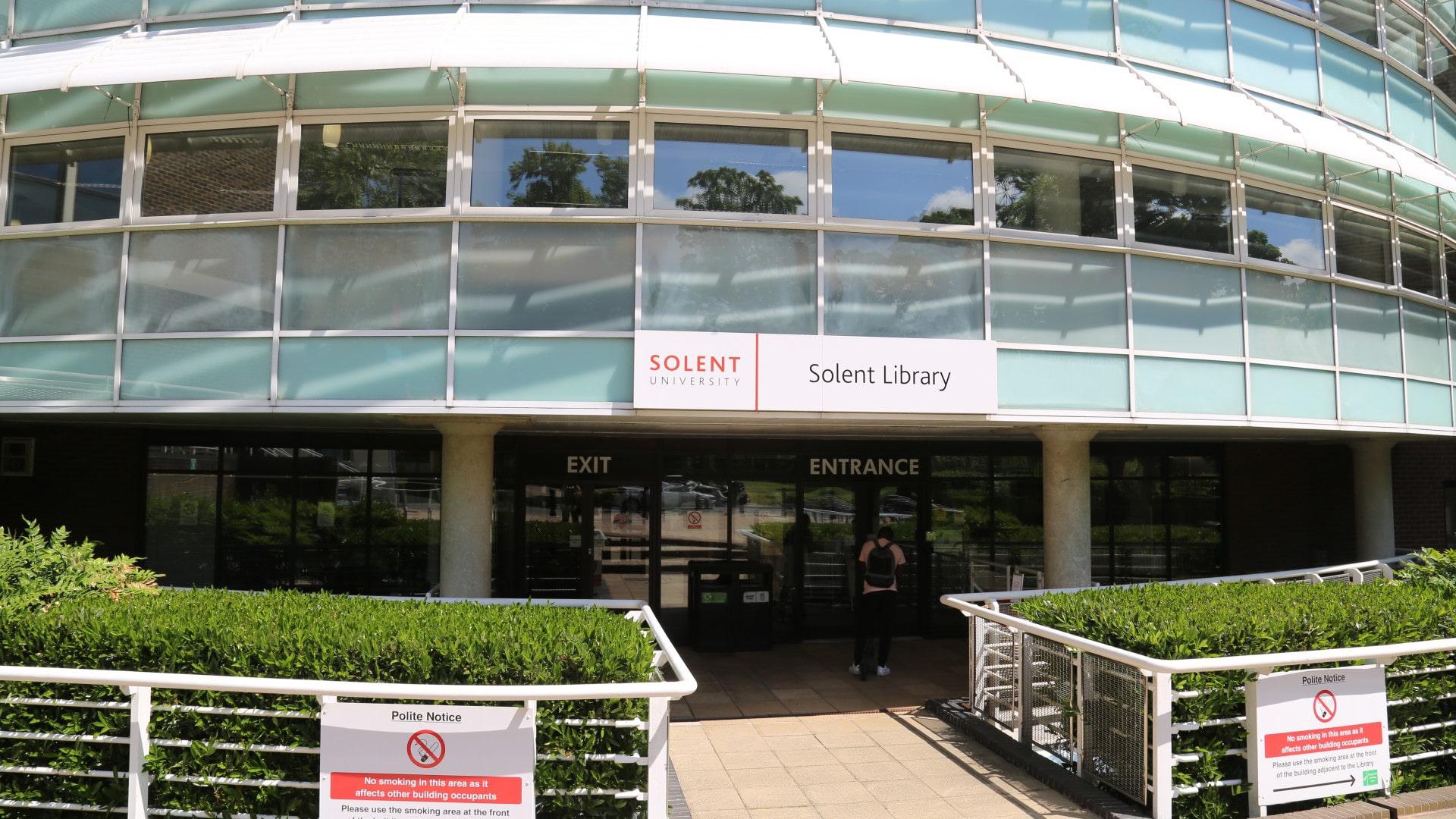
Architecture students at Solent have full access to our industry-standard architecture and built environment facilities. Our bright, modern design studios are set up to encourage collaborative design work with space to develop, model and present your projects. Our laboratories and workshops enable you to get hands-on with exploring building materials, 3D printing, and the latest industry design and modelling software.
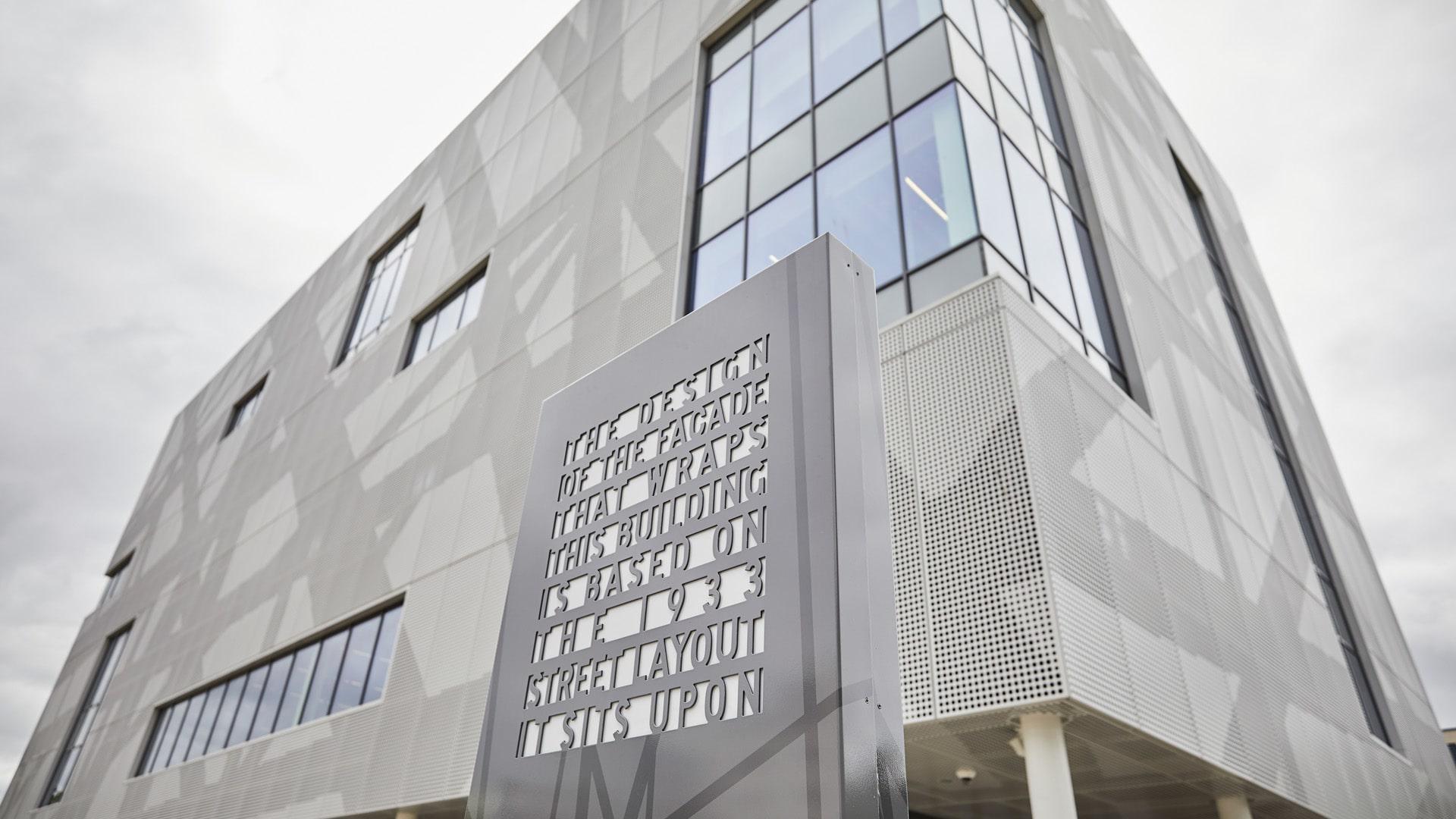
Our vibrant campus brings state-of-the-art facilities to enhance your learning and elevate your student experience. Our award-winning teaching building, The Spark is centred around students and offers a stimulating study environment with flexible learning spaces. Away from studying, why not try out the gyms, fitness studios and sports halls in our Sports Complex, or watch a blockbuster film at our student-run cinema with Dolby Atmos audio.





What you'll study
Core modules
Sustainable Architecture - Design
This module equips you with the knowledge and critical thinking skills needed to address some of the most pressing challenges facing the built environment today, including climate change, social inequality, resource efficiency and long-term value. During your studies, you'll gain an understanding of how to create spaces that are not only environmentally responsible but also socially valuable and legally compliant.
Contract Administration and Specification
This module gives you the practical tools to bridge the gap between design and delivery. You'll learn how to manage contracts, write clear specifications, navigate procurement options and ensure legal and safety compliance on site. Whether you're working on a residential build or a complex public project, these are the real-world skills that protect your design, your client and the people building it. It’s essential knowledge for every future architect, technologist or construction professional.
Sustainable Architecture - Realisation
This module provides you with the critical knowledge and technical skills needed to design and manage sustainable buildings that are not only structurally sound but also environmentally responsible. By focusing on the entire lifecycle of a building, you'll be equipped to address challenges such as resource efficiency, energy use, and waste reduction. This module also helps you stay current with industry standards, regulations, and best practices, ensuring your designs comply with legal requirements and promote sustainability.
Professional Practice
This module is key to shaping you into a well-rounded, responsible practitioner. You’ll gain crucial skills in ethical practice, sustainability, and financial management, all while learning to navigate the professional, legal, and organisational aspects of architecture. By understanding your impact on society and promoting inclusivity and well-being, you’ll be equipped to make informed, responsible decisions in your career.
Core modules
Digital Architecture
As architecture increasingly relies on computational tools and data-driven methods, understanding and mastering digital technologies, such as parametric modelling, AI, and virtual reality becomes essential for designing sustainable, efficient, and responsive buildings. The module bridges theoretical knowledge with hands-on experience, preparing you to lead in teams, communicate complex ideas effectively, and make informed design decisions.
Design Management
This module prepares you for the realities of contemporary architectural practice by developing the skills to lead projects, manage teams, and navigate legal, ethical, and business challenges. It bridges creative design with practical delivery, equipping you to balance innovation with real-world constraints and to take on senior roles in the profession with confidence. You'll learn how to manage the complexities of architectural design, lead multidisciplinary teams, and ensure the effective delivery of design projects that meet client needs, regulatory requirements, and sustainability goals.
Major Project
This module bridges theory and practice by guiding you through the RIBA design stages, encouraging independent learning, critical thinking, and creative problem-solving. It also prepares you for professional practice by simulating real-world design processes and equipping you with the tools to manage and deliver effective architectural solutions. Since this module presents the culmination of your studies, you're expected to adopt a systematic approach, take responsibility for time management, and present design proposals to a professional standard.
Core modules
Sustainable Conservation
In this module, you'll explore how sustainability principles can be effectively integrated into architectural conservation. You'll examine the impacts of climate change and biodiversity on the built environment, and apply strategies such as adaptive reuse, energy efficiency and sustainable material selection in the conservation of historic buildings. Key topics include environmental design, building physics, regenerative approaches and ethical supply chains.
Place Making
This module equips you with the knowledge and skills to address the complex challenges of designing urban environments that are functional, inclusive and sustainable. As cities grow and evolve, understanding how to create spaces that foster social, cultural and economic vitality is crucial for improving the quality of life for all residents. By exploring key principles of placemaking, sustainability, and inclusive design, you will be prepared to contribute to urban development that prioritises environmental resilience, community engagement and equitable access.
MArch Project
Your project is the culmination of the design experience within the Master of Architecture course. This module offers you the opportunity to synthesise and apply the theoretical, technical, and creative skills acquired throughout your studies to a substantial architectural design project. You'll engage in an in-depth design process, from initial concept development through to the final design resolution, with a strong emphasis on critical thinking, innovative problem solving and professional practice. The project will also serve as a vehicle for the exploration of broader architectural themes such as sustainability, cultural context, social responsibility and urbanism.
Any questions?
Contact international admissions
Email: Call:How you will learn and be assessed
You will learn by:
You may be assessed by a combination of:
- Assignments
- Oral presentations
- Individual presentations
- Group presentations
- Individual and group projects
- Reports
As part of this course, you will study one module at a time, giving you the chance to build a deeper understanding and see the results of your hard work more quickly. With regular assessments and feedback, rather than exams all at once, you’ll also benefit from improved focus, and a more manageable workload.
Learn more about block teaching
Study support
The student achievement team are on hand to help you succeed during your studies at Solent. They aim to contact you at key times during your time here with personalised information, advice and guidance, by email or phone.
The disability advice team provides information, advice and guidance for disabled students.
All students can access Succeed@Solent, Solent's online guide to getting better grades. It offers extensive, practical information and advice on topics such as academic writing, research and presentations.

Why choose a career in architecture?
Architecture is a dynamic and rewarding profession where creativity, technical expertise, and social responsibility come together to shape the world around us. From designing sustainable buildings to revitalising communities, architects play a pivotal role in creating spaces that improve people’s lives, support environmental goals, and respond to ever-changing societal needs. The industry is evolving rapidly, driven by technology, sustainability, and the demand for safe, inclusive, and resilient buildings making it an exciting time to enter the profession.
Employers are looking for architects who can combine design vision with practical, technical, and professional skills. Solent’s Master of Architecture equips you with exactly that. Through a blend of studio projects, live briefs, and research-led learning, you will develop creativity, critical thinking, and problem-solving abilities alongside technical proficiency in building construction, digital design tools, and project management. You will also gain experience in collaboration, leadership, and ethical professional practice, all of which are highly sought after by employers in the built environment.

Solent Careers
The Solent Careers team is committed to getting students into great careers.
While you are studying, the team can help you with finding work experience or placements, link you with a mentor, check your CV, or offer one-to-one guidance.
We also have graduate job opportunities just for Solent graduates.

Top 25%
of UK unis for sustained employment
Longitudinal Educational Outcomes, 2025
Certificate in Practical Artificial Intelligence
Every student at Solent University will also have the option to study an additional Certificate in Practical Artificial Intelligence qualification alongside their course. Free of charge, the course ensures you'll be prepared for a fantastic and varied career after graduation.

Tuition fees
The tuition fees for the 2026/27 academic year are:
- UK, ROI, EU (settled status) and Channel Island full-time fees: £9,790 per year
- International full-time fees: £19,081 per year
For further information, please visit our tuition fees page.
Extra course costs
While most course costs are covered by your tuition fees, some essential resources and optional extras may need to be paid for separately. These additional costs are listed below. For advice on budgeting and managing your money, please contact student.funding@solent.ac.uk.
The 2026/27 additional costs are:
Compulsory costs
- Foundation year
Portfolios, A4 ring binders, scale rulers, printing, sketchbooks and basic drawing materials will be required: approximately £150.
Printing: £100 - Following years
Drawing and drafting tools, model-making materials, sketchbooks and other stationery, printing: approximately £300
Optional costs
Course trip: approximately £500 (trip does not take place every year)
Bursaries, scholarships and financial support
Solent University offers a range of bursaries and scholarships that provide financial assistance or waive fees for tuition or accommodation. Each bursary or scholarship has specific eligibility criteria. Check out our bursaries and scholarships pages to find out more.
Cost of living support
At Solent, we understand that the cost of living crisis may be of some concern. To help, we've put together some detailed information to show what support is available and how to make your money go further.
Graduation costs
There is no charge to attend graduation, but you will be required to pay for the rental of your academic gown (approximately £45 per graduate, depending on your award). You may also wish to purchase official photography packages, which range in price from £15 to £200+. Graduation is not compulsory, so if you prefer to have your award sent to you, there is no cost. Extra guest tickets will go on sale after results publication and will be sold on a first-come-first-served basis. The cost per ticket is currently £20. Please note, we do not guarantee there will be any extra tickets available to purchase.
Any questions?
Contact international admissions
Email: Call:Entry requirements
Please select an option below:
Key entry requirements
Applicants will normally be expected to have completed a relevant undergraduate degree in Architecture or a closely related discipline from a recognised institution.
The course is designed as an integrated master’s degree; however, applicants with substantial prior learning in architecture may be considered for direct entry to the final two years or the final year of the course, subject to the University’s Recognition of Prior Learning (RPL) procedures.
Recognition of Prior Learning allows applicants to gain entry with advanced standing where they can demonstrate that their previous academic study and/or relevant professional experience is equivalent in level and content to the earlier stages of this course.
Applicants seeking entry to the final two or one years through the RPL process will normally be required to provide evidence including:
- A BA/BSc degree in Architecture or an equivalent qualification from a recognised institution.
- Academic transcripts detailing modules studied and credit levels achieved
- A portfolio of architectural design work demonstrating appropriate design ability and development.
- A personal statement outlining relevant academic and professional experience.
- References, where appropriate.
All applications for advanced entry will be reviewed by the course team to determine whether the applicant’s prior learning meets the required academic level and learning outcomes for entry to the later stages of the course.
Applicants may also be invited to attend an interview and portfolio review as part of the selection process.
International qualifications will be assessed for equivalence in accordance with recognised UK guidance.
For further information about UK qualifications, please contact admissions.
Key entry requirements
As a general guide, we look for qualifications that are equivalent to the British high school A-levels.
If you are applying from outside the UK, find information about entry requirements, visas and agents for your country here.
For further information about EU qualifications, please see our course entry requirements document.
Key entry requirements
As a general guide, we look for qualifications that are equivalent to the British high school A-levels.
If you are applying from outside the UK, find information about entry requirements, visas and agents for your country here.
For further information about international qualifications, please see our course entry requirements document.
Note to all international students requiring a visa
All international applicants need to be aware that the English language requirements to attend Solent University, and the English language requirements to obtain a visa from the Home Office, may be different. This means that if you meet the Solent University language requirement to gain a place on the course, you may still have to meet additional requirements to be granted with a visa by the Home Office.
We strongly advise all applicants to visit the Home Office website which outlines all the requirements for a successful visa application.
How to apply
Full-time
Any student applying for the first year of a full-time/sandwich undergraduate course must apply through UCAS (University and Colleges Admissions Service). This includes mature, overseas and EU students.
Nearly all schools and colleges offer their students the facility of applying electronically through the UCAS website using 'Apply'; it may also be used by those applying independently in the UK and overseas. This facility and all course information can be found on the UCAS website: www.ucas.com.
Your application should reach UCAS by 14 January if you hope to enter a course the following autumn. Early application is advised for the most popular subject areas. Late applications may be made until the end of June. The UCAS Code for the University is S30, code name SOLNT.
Find out what happens after you apply
Contextual offers
Solent endeavours to offer learning opportunities to students from all backgrounds. When we receive and review an application, we take into consideration the context and personal circumstances of applicants when making a decision, which means our advertised entry tariff could be reduced.
Find out more about Solent's contextual offers
Alternative entry options
Transfer, progression and direct entry
Direct entry into Years 2, 3, or 4 (full-time) may be considered for this course.
Direct entry into Years 2, 3, 4, 5, 6, or 7 (part-time) may also be considered.
Students at year 2 or 3 (full-time), or their respective part-time equivalents, must achieve a minimum classification of 2:2 or above in order to progress to year 3 or 4 (full-time) or the corresponding part-time years of the integrated MArch course.
Applicants holding other relevant qualifications may be considered for entry into Year 3 or 4 (full-time), or the equivalent part-time years, subject to module mapping, academic performance, and subject to the University's Recognition of Prior Learning (RPL) procedures. See UK entry requirements for direct entry to levels 6 and 7 for more detailed entry information.
All transfer and direct entry applications will be assessed on an individual basis, taking into account academic achievement, relevant experience, portfolio, and personal statement, and the applicant’s motivation for undertaking the Master of Architecture.
Language requirements
Applicants who do not have English as their first language will be required to demonstrate an approved level of proficiency in the use of the English language. The agreed minimum requirements for this course are:
- IELTS minimum 6.0 overall with a minimum of 5.5 in each individual component
- Duolingo English Language Test - 115 overall with minimum of 100 in each component
or equivalent.
TOEFL IBT tests taken prior to 21 January 2026
- Minimum overall score of 80 with a minimum of 20 in each individual component.
TOEFL IBT tests taken from 21 January 2026
- Minimum overall score of 4.5 with a minimum of 4 in each individual component.
Qualifications are checked before enrolment, and international students must bring their original certificates or certified copies when coming to study at the University.
Pre-Sessional English programme
The University also offers a pre-sessional English programme for international students who wish to improve their level of English before starting a degree course.
Any questions?
Contact international admissions
Email: Call:Make your application
- 1 year full-time (direct entry to level 7)
- 2 years full-time (direct entry to level 6)
- 2 years part-time (direct entry to level 7)
- 3 years part-time (direct entry to level 6)
- 4 years
- 5 years with foundation year
- 7 years part-time