“The one-to-one tutor sessions give you great guidance and support when you need it.”
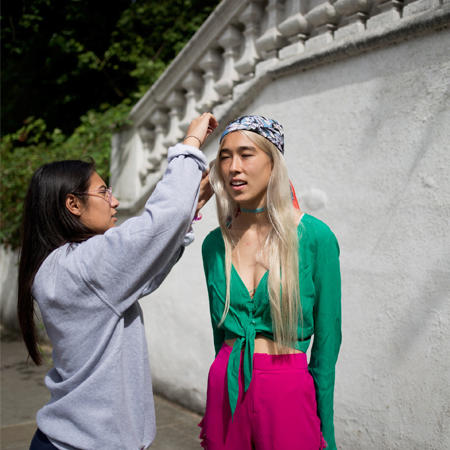
Perfect your skills in styling and art direction, make-up and hair design, photography, shoot production, trend forecasting, and branding to start a career as a fashion stylist or creative director.
Contact international admissions
Email: Call:From planning creative concepts, scouting models and locations, to selecting clothes and accessories for photoshoots, a fashion stylist and creative director is the ultimate multitasker.
Throughout this course you'll acquire skills not only in styling, but also in make-up and hair, photography, retouching, trend forecasting and branding – making you a complete fashion stylist or creative director with the skillset to become a distinctive and visionary voice within the fashion industry.
You'll be supported to increase confidence in your understanding and use of independent learning and show an awareness of professional and personal development. And you'll be taught how to professionally apply the practical and technical skills developed throughout your studies for a diverse range of media and design platforms.
Crucial for this is collaboration and working as part of a creative team, with the ability to have an open and flexible approach to ideas. You will be encouraged to show initiative and demonstrate the ability to research and discuss sociocultural issues and perspectives that are related to the progression of visual design practice.
You'll evaluate both contemporary, and historical fashion and lifestyle trends for the formulation of creative and visual communication. And throughout this process, will practice self-reflection and critically challenge your own work and that of others, to develop a deeper understanding of your own development as a creative practitioner while being conscious and aware of how their work and research can impact on the wider community, both locally and globally.
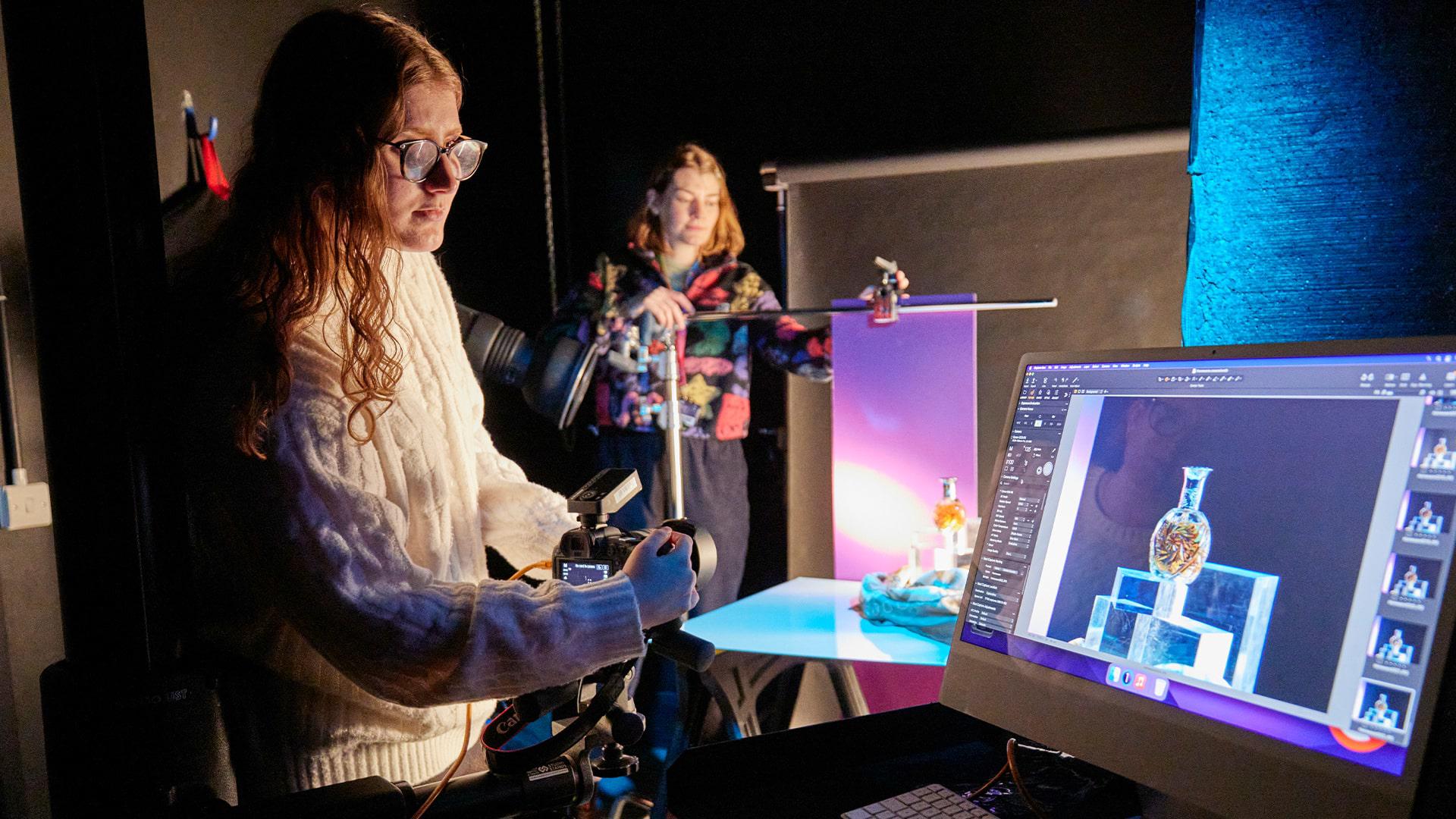
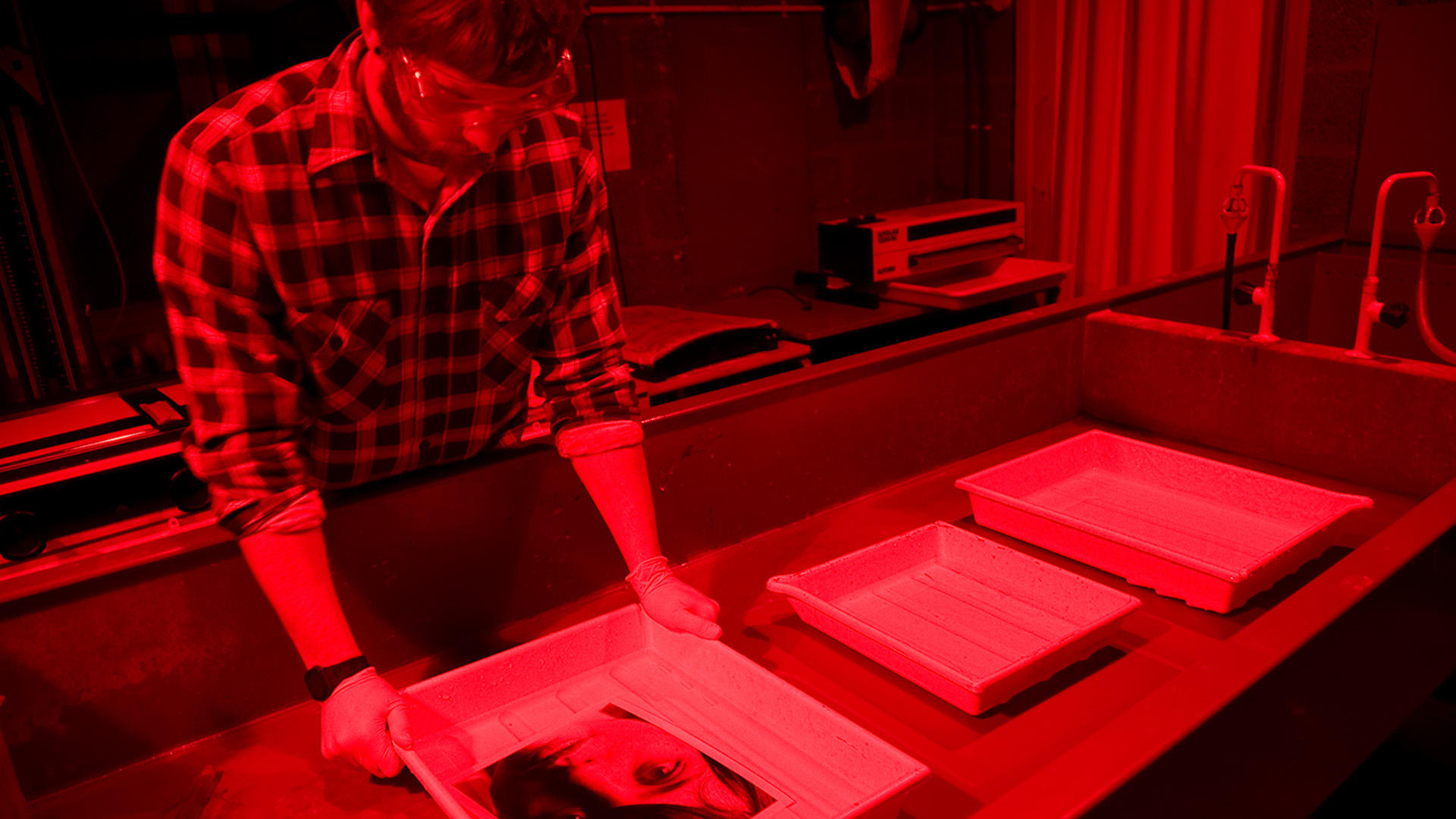
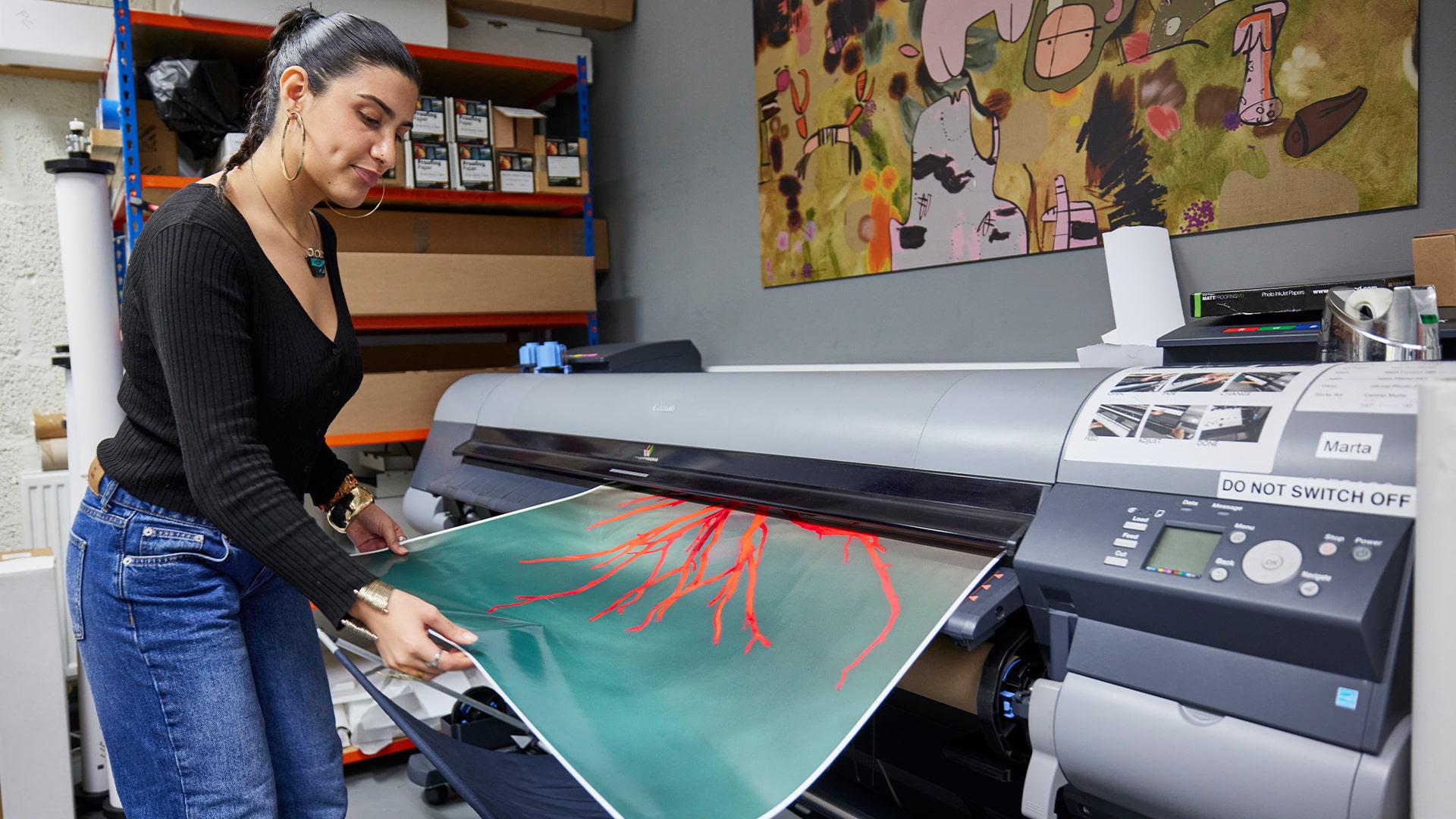
To enhance your learning, you'll have access to specialist hair and make-up studios which boast airbrush guns, studio lights and other industry-standard fixtures. And you'll have use of our large professional photographic studios and infinity cove studio. You'll also be able to use other professional-standard facilities, including a digital reprographics lab, colour and black-and-white darkrooms, finishing and film processing rooms, and a multimedia lab featuring 24 iMacs with Adobe Creative Suite and Final Cut Pro
You'll also be taught by award-winning industry professionals who have worked with some of the world’s leading fashion magazines, brands and designers, including UK Vogue, US Vogue, Glamour, Alexander McQueen, Paul Smith, ELLE, The Guardian, and The Observer.
Work from our final year students across our fashion-related degrees is showcased at Graduate Fashion Week (GFW). In 2023, seven students have been shortlisted by the Graduate Fashion Foundation across a number of different categories at the GFW23 awards. Read more about the students and their work.
If you’re looking to study our fashion styling and creative direction degree but don’t have the relevant qualifications or experience, the art and design foundation year will help you develop the core skills and knowledge to progress. Find out more about the art and design foundation year.

This course is suited to students who want to hone their creative skills, and learn how to channel these into the hands-on development of visual concepts.
Applicants should have a keen and broad interest in the creative industries, from fashion and design, to art and graphics, and will need to show a varied portfolio of both visual and written work upon application.
The course can lead to a wide range of exciting career prospects in roles such as magazine editor, brand consultant, art director, catwalk stylist, celebrity stylist, studio manager, content creator and e-commerce styling.
Recent graduates have gained career opportunities at Vogue UK, The Great Frog, FatFace, Trendstop, COS, Graduate Fashion Foundation and Named Models. Our alumni also include those who have created their own career and business opportunities through freelance editorial styling, photography and journalism.
Hear from Solent alumni about where their careers have taken them and how studying at Solent prepared them for their future.
Read more stories“The one-to-one tutor sessions give you great guidance and support when you need it.”
The course teaching team maintain close links with the industry, giving students access to unique industry insight from a range of high-profile guest speakers.
The University cannot guarantee any particular members of staff will teach specific aspects of the course in the future, but will endeavour to ensure the teaching team maintains their balance of experience and qualifications.
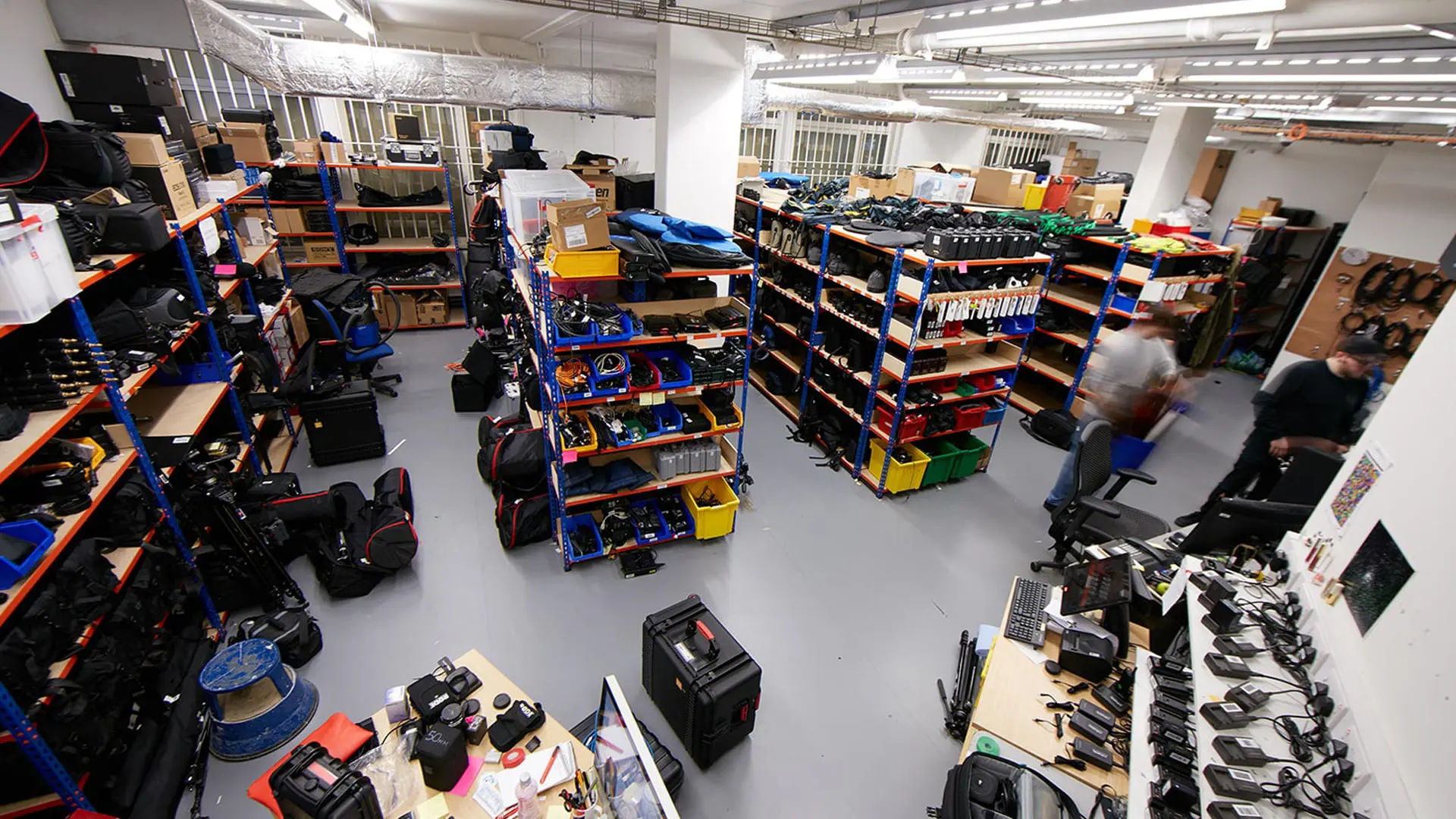
You’ll have access to a specialist make-up and hair studio with industry-standard airbrush guns and studio lighting; modern photography studios; a comprehensive media loans scheme; and a range of well-equipped IT labs.
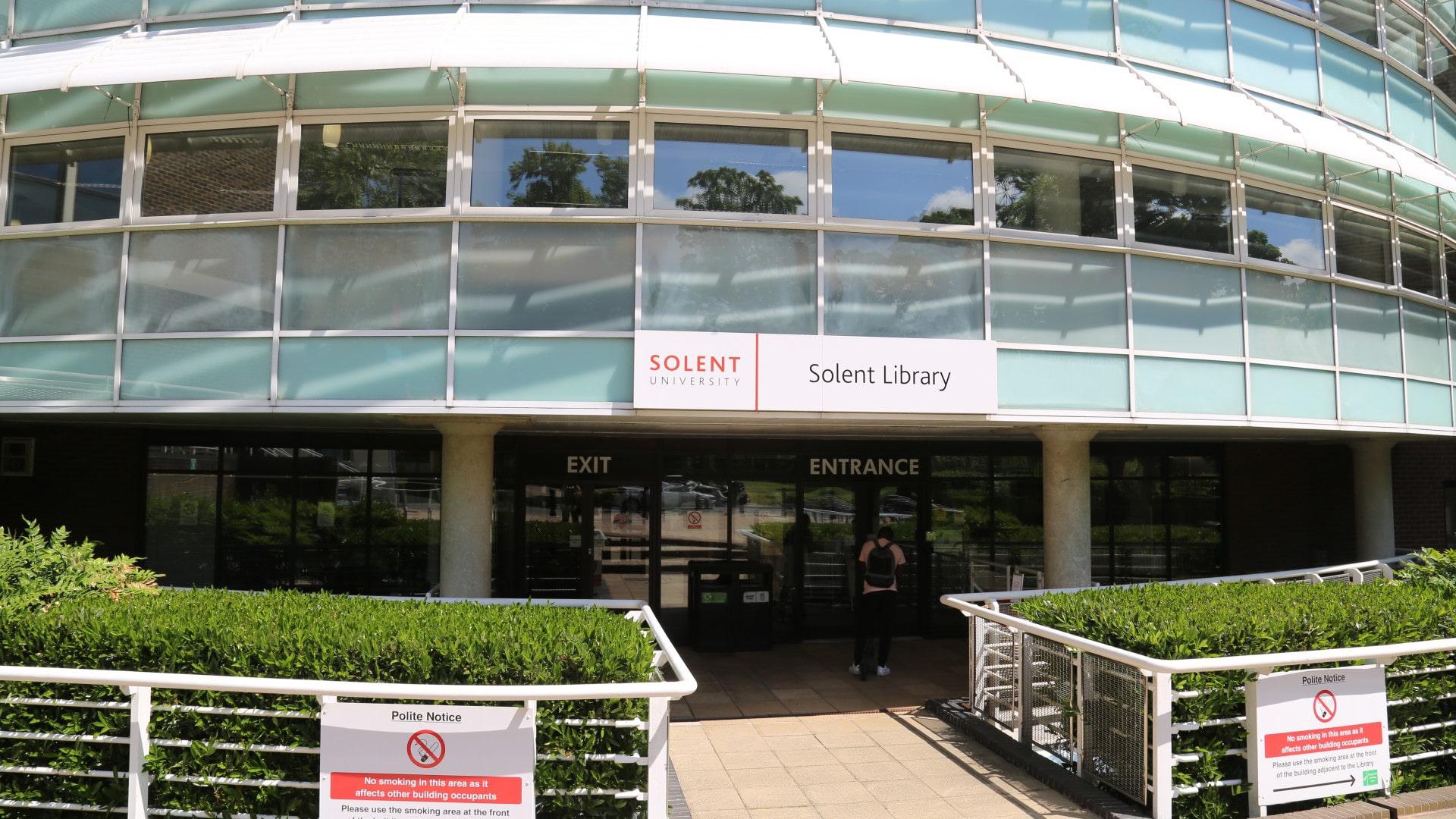
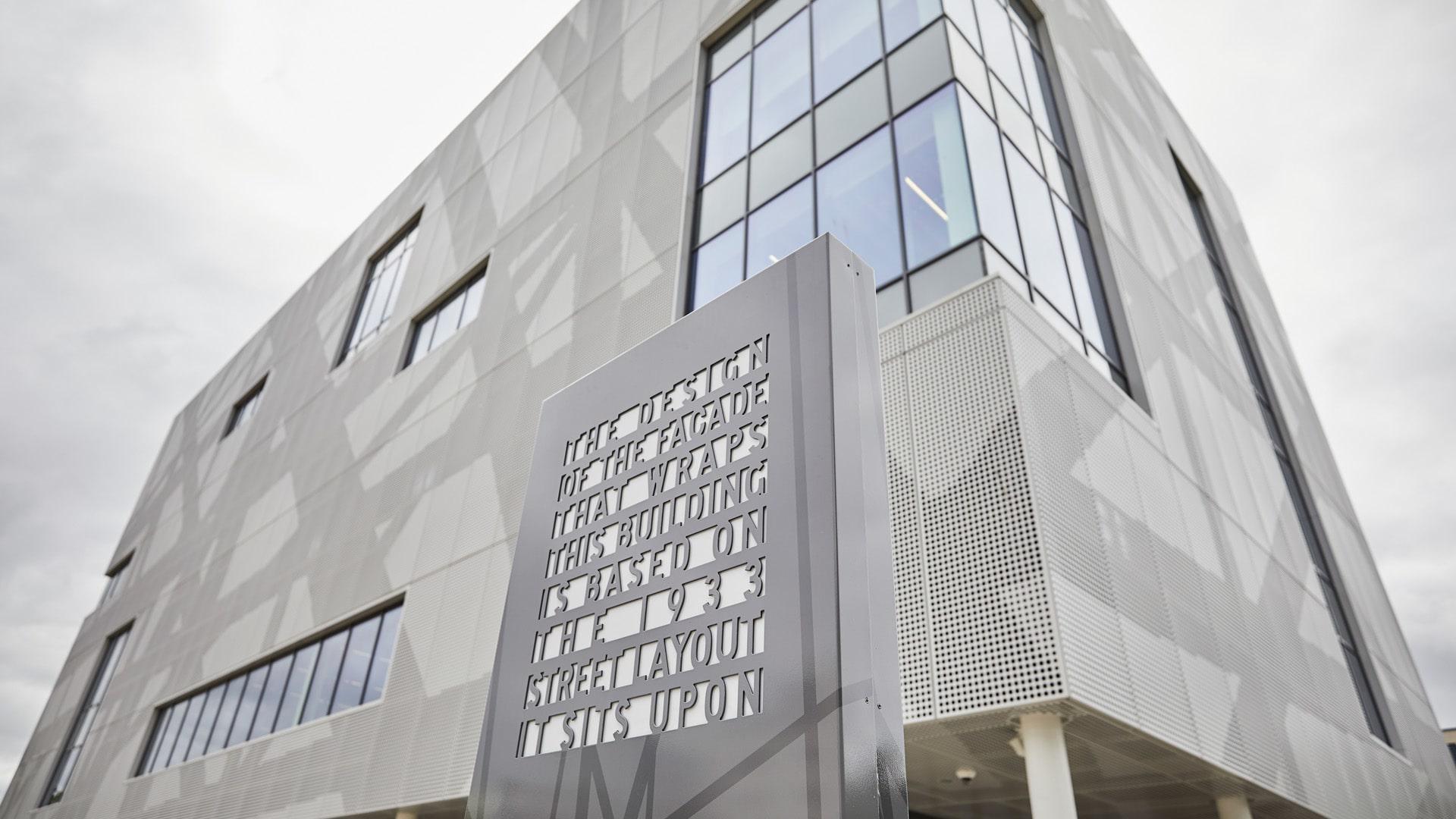
Our vibrant campus brings state-of-the-art facilities to enhance your learning and elevate your student experience. Our award-winning teaching building, The Spark is centred around students and offers a stimulating study environment with flexible learning spaces. Away from studying, why not try out the gyms, fitness studios and sports halls in our £28 million Sports Complex, or watch a blockbuster film at our student-run cinema with Dolby Atmos audio.
Broaden your horizons by adding an international dimension to your CV – essential to achieving success in today’s fast-changing, global environment.
Studying, working or volunteering in another country could be the experience of a lifetime. Enhance your degree by developing important global skills such as knowledge of other countries, language skills, intercultural awareness, adaptability and confidence.
For more information, please email international.mobility@solent.ac.uk.
This module will expand your understanding of past and contemporary contexts while developing core skills in research, concept development, and shoot planning. By studying diverse image-making approaches and fashion theory, you will gain essential knowledge of the techniques, practices, and collaborative roles that drive successful fashion imagery.
The aim of this module is to change the way you look at fashion images to better understand the power of visuals and their place in the world. You will look at fashion and beauty imagery from a theoretical point of view and use this deeper understanding to support the creation of your own practical work.
This module offers a practice-led introduction to the core subjects and skills required for producing beauty focused imagery for editorial and advertising contexts. Through lectures, group seminars, and technical workshops, you will develop an informed understanding of trend driven visuals and the cultural influences shaping contemporary beauty media.
This module introduces you to the creative, technical, and collaborative processes behind producing professional fashion shoots for editorial fashion publications. You will learn how to conceptualize, plan, style, photograph, and deliver a fashion story tailored to both brand identity and audience.
This shared, interdisciplinary module provides a 'launchpad' for students across our fashion courses, to collaborate on a live brief - mirroring the professional creative team environment. This client-focused module will give you the confidence to get out into industry and give you the ability to apply the skills gained during your first year of studies.
This module provides a comprehensive introduction to the development of fashion film and moving image, from its experimental beginnings to contemporary brand-led productions, while exploring how film and animation shape modern visual communication.
This module explores emerging technologies, campaign production, moving image, and future trends to build knowledge of digital fashion platforms and industry practice, enabling you to create design-led, practice-based research that is trend aware, technically grounded as developing creative directors.
This module provides an essential opportunity to critically engage with the complex political, social, and cultural landscapes that shape the contemporary fashion industry. Students will be able to choose a cultural, political, or social issue that they are passionate about, investigate it, and express their thoughts and feelings about it through a variety of media.
This module gives you the opportunity to demonstrate your combined technical and practical skills with critical thinking, and present yourself as an informed and progressive visual communicator.
This module consolidates skills developed through previous levels in preparation for your graduation and career launch. You will learn to define, research, and develop an industry-standard project aligned to a career plan or graduate destination. Through a self-determined topic, you will hone your skills in communication, interrogation and innovation.
Using your specialist skills, you will plan and create a substantial, high-quality body of work that directly addresses the needs of your future career plan. This will be completed through either a self-directed project or an industry-led opportunity, such as a micro-placement, live brief, or competition.
This module will support you in refining your career direction by critically assessing current industry practice and your own body of work. By identifying your strengths and areas of development in relation to your chosen industry direction, you'll build professional confidence and establish a link between academic study and professional application. You will be required to gain some work experience hours, that you will reflect on in a later module.
Contact international admissions
Email: Call:As part of this course, you will study one module at a time, giving you the chance to build a deeper understanding and see the results of your hard work more quickly. With regular assessments and feedback, rather than exams all at once, you’ll also benefit from improved focus, and a more manageable workload.
Learn more about block teaching
The student achievement team are on hand to help you succeed during your studies at Solent. They aim to contact you at key times during your time here with personalised information, advice and guidance, by email or phone.
The disability advice team provides information, advice and guidance for disabled students.
All students can access Succeed@Solent, Solent's online guide to getting better grades. It offers extensive, practical information and advice on topics such as academic writing, research and presentations.
The fashion industry is constantly developing and changing, thanks to the continuous advancement in technology and social and cultural trends in media and design. Gaining a solid foundation in the fundamental styling skills and ability needed to shoot successful visuals in a photography studio environment, along with the introduction and exploration of post-production techniques are key to preparing you for your creative development throughout your degree course. The skills delivered on this course go beyond producing editorial fashion shoots and stresses advertising campaigns, and experimental or commercial moving image.

Senior stylist: £23,000 to £30,000
Employed junior stylists can expect to earn in the region of £18,000 to £20,000. Senior stylists earn higher salaries of between £23,000 and £30,000. Being a freelancer is very common in this industry, and as a freelancer you'll be paid either a daily or hourly rate. An assistant stylist can earn anything from £50 to £150 per day, but if paid hourly, this is in the region of £7.70 to £8.20 per hour.
Typical salary: £25,000 to £65,000
Many entrants to the profession start as assistants, where salaries can be set at the national minimum wage. In full-time employment, early career salaries are typically between £16,000 and £22,000. Salaries can increase to anywhere from £25,000 to £65,000. The top end of the scale is typically for those who have a strong reputation and are highly sought-after, which takes years of experience. As a freelance photographer, your earnings are linked to what you can charge and how much work you can secure.
Per day: £275
Make-up artists working in fashion can earn £450 a day for an event like London Fashion Week, and around £275 for other events. For fashion editorial work head make-up artists earn £170 to £320 per day, depending on the designer. On major feature films, with budgets over £30million, a trainee make-up artist can earn £140 for a ten-hour day, while a key hair and make-up artist with several years' experience, will earn £410.
The stated salaries are published on prospects.ac.uk.
Hear from Solent alumni about where their careers have taken them and how studying at Solent prepared them for their future.
Read more stories“The one-to-one tutor sessions give you great guidance and support when you need it.”
The Solent Careers team is committed to getting students into great careers.
While you are studying, the team can help you with finding work experience or placements, link you with a mentor, check your CV, or offer one-to-one guidance.
We also have graduate job opportunities just for Solent graduates.
Top 25%
of UK unis for sustained employment
Longitudinal Educational Outcomes, 2025
Every student at Solent University will also have the option to study an additional Certificate in Practical Artificial Intelligence qualification alongside their course. Free of charge, the course ensures you'll be prepared for a fantastic and varied career after graduation.

Thinking about studying further than an undergraduate degree? Alumni can get 20% off their postgraduate study.
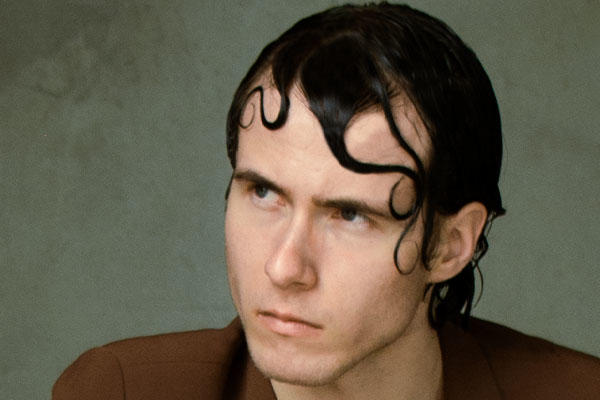
Take charge and lead a wealth of fashion and beauty brands to success with your innovative and creative vision on this practice-based master's degree.
Find out more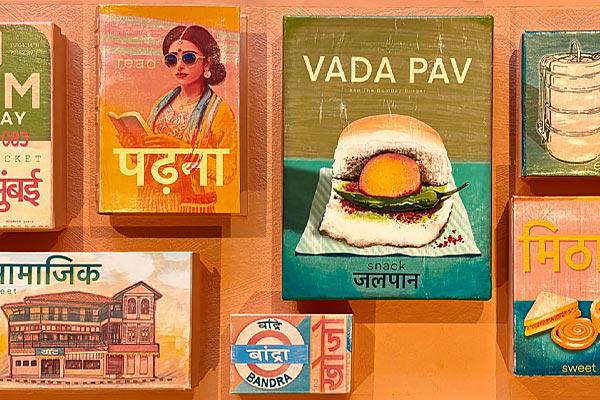
Do you have an eye for design? Would you like to help influence the future of visual communications? Our MA Visual Communication degree is ideal for creatives keen to refine their practice, working as part of an interdisciplinary group of students.
Find out more
Explore the rapidly evolving field of designing for future bodies, beauty cultures and creature design using speculative design strategies and augmented realities
Find out moreThe tuition fees for the 2027/28 academic year are:
For further information, please visit our tuition fees page.
While most course costs are covered by your tuition fees, some essential resources and optional extras may need to be paid for separately. These additional costs are listed below. For advice on budgeting and managing your money, please contact student.funding@solent.ac.uk.
The additional costs for this academic year are not yet available. For guidance, previous additional costs have been:
Compulsory costs
Optional costs
Solent University offers a range of bursaries and scholarships that provide financial assistance or waive fees for tuition or accommodation. Each bursary or scholarship has specific eligibility criteria. Check out our bursaries and scholarships pages to find out more.
Cost of living support
At Solent, we understand that the cost of living crisis may be of some concern. To help, we've put together some detailed information to show what support is available and how to make your money go further.
Graduation costs
There is no charge to attend graduation, but you will be required to pay for the rental of your academic gown (approximately £45 per graduate, depending on your award). You may also wish to purchase official photography packages, which range in price from £15 to £200+. Graduation is not compulsory, so if you prefer to have your award sent to you, there is no cost. Extra guest tickets will go on sale after results publication and will be sold on a first-come-first-served basis. The cost per ticket is currently £20. Please note, we do not guarantee there will be any extra tickets available to purchase.
Contact international admissions
Email: Call:Please select an option below:
As a general guide, we look for qualifications that are equivalent to the British high school A-levels.
Applicants from outside the UK will be required to submit an electronic portfolio for consideration.
If you are applying from outside the UK, find information about entry requirements, visas and agents for your country here.
For further information about EU qualifications, please see our course entry requirements document.
For international students who do not meet the direct entry requirements for this undergraduate degree, our trusted partner, QA Higher Education offers the following pathway programme designed to develop your academic and English language skills:
As a general guide, we look for qualifications that are equivalent to the British high school A-levels.
Applicants from outside the UK will be required to submit an electronic portfolio for consideration.
If you are applying from outside the UK, find information about entry requirements, visas and agents for your country here.
For further information about UK, EU and international qualifications, please see our course entry requirements document.
For international students who do not meet the direct entry requirements for this undergraduate degree, our trusted partner, QA Higher Education offers the following pathway programme designed to develop your academic and English language skills:
All international applicants need to be aware that the English language requirements to attend Solent University, and the English language requirements to obtain a visa from the Home Office, may be different. This means that if you meet the Solent University language requirement to gain a place on the course, you may still have to meet additional requirements to be granted with a visa by the Home Office.
We strongly advise all applicants to visit the Home Office website which outlines all the requirements for a successful visa application.
Full-time
Any student applying for the first year of a full-time/sandwich undergraduate course must apply through UCAS (University and Colleges Admissions Service). This includes mature, overseas and EU students.
Nearly all schools and colleges offer their students the facility of applying electronically through the UCAS website using 'Apply'; it may also be used by those applying independently in the UK and overseas. This facility and all course information can be found on the UCAS website: www.ucas.com.
Your application should reach UCAS by 14 January if you hope to enter a course the following autumn. Early application is advised for the most popular subject areas. Late applications may be made until the end of June. The UCAS Code for the University is S30, code name SOLNT.
Find out what happens after you apply
Contextual offers
Solent endeavours to offer learning opportunities to students from all backgrounds. When we receive and review an application, we take into consideration the context and personal circumstances of applicants when making a decision, which means our advertised entry tariff could be reduced.
Find out more about Solent's contextual offers
Top-up route:
We welcome applications from students currently studying a Foundation Degree, DipHE, HNC, HND or modules of an undergraduate degree course at another university, who wish to enter directly into Years 2 or 3 of one of our undergraduate degree courses. Please contact our admissions team for more information: contact us
Applicants who do not have English as their first language will be required to demonstrate an approved level of proficiency in the use of the English language. The agreed minimum requirements for this course are:
TOEFL IBT tests taken prior to 21 January 2026
TOEFL IBT tests taken from 21 January 2026
Qualifications are checked before enrolment, and international students must bring their original certificates or certified copies when coming to study at the University.
Pre-Sessional English programme
The University also offers a pre-sessional English programme for international students who wish to improve their level of English before starting a degree course.
Contact international admissions
Email: Call: