“I think university life helped me to develop my confidence and independence which readied me for the start of my career.”



Combine your skills in psychology and counselling to influence behaviour change and recovery on our BPS accredited degree.
Contact international admissions
Email: Call:This course is accredited by The British Psychological Society, and will empower you to engage with real-world issues and address key challenges in mental health and counselling; exploring the scientific methods used to assess, understand and address various psychological issues - such as depression, psychosis and post-traumatic stress disorder - and the risk factors related to the development of psychopathological disorders.
Students build an understanding of counselling and psychotherapy theories, examining the latest advancements and techniques, and exploring the role of empathy, compassion and mindfulness in counselling.
As well as studying the core principles of the application of psychology within the context of counselling and mental health, students are able to specialise in their final year in fields such as behaviour change, applied psychopathology, CBT and mindfulness-based approaches, and psychology and technology.
Students have opportunities to present at and attend psychology conferences. Charities and private companies provide live briefs and mentoring for specific units.
Recent guest speakers have included a sleep laboratory researcher, police advocates, practicing counsellors, and a specialist reading intervention teacher.
If you’re looking to study our psychology with counselling and mental health degree but don’t have the relevant qualifications or experience, the social sciences foundation year will help you develop the core skills and knowledge to progress. Find out more about the social sciences foundation year.
Accredited by:

Approved centre
This course is ideally suited to those who wish to pursue a career in clinical or counselling psychology, mental health support or psychological wellbeing.
The course has a strong focus on employability and students have the opportunity to carry out a work placement in their final year, helping to gain vital practical experience and increasing industry connections.
The course provides an excellent starting point for further specialist training in clinical or counselling psychology, mental health support, social work or psychological wellbeing. It can lead directly onto postgraduate training if students wish to work towards registered or chartered status as a psychologist.
Hear from Solent alumni about where their careers have taken them and how studying at Solent prepared them for their future.
“I think university life helped me to develop my confidence and independence which readied me for the start of my career.”
The course team have a wide range of professional expertise and experience, undertaking both research and applied consultancy projects throughout their careers. Their interests include forensic psychology, sports performance, psychological wellbeing, adolescent attitudes to alcohol, behavioural interventions for autism, the impact of hearing impairment in the classroom, parent–child bonds and romantic relationships.
The University cannot guarantee any particular members of staff will teach specific aspects of the course in the future, but will endeavour to ensure the teaching team maintains their balance of experience and qualifications.
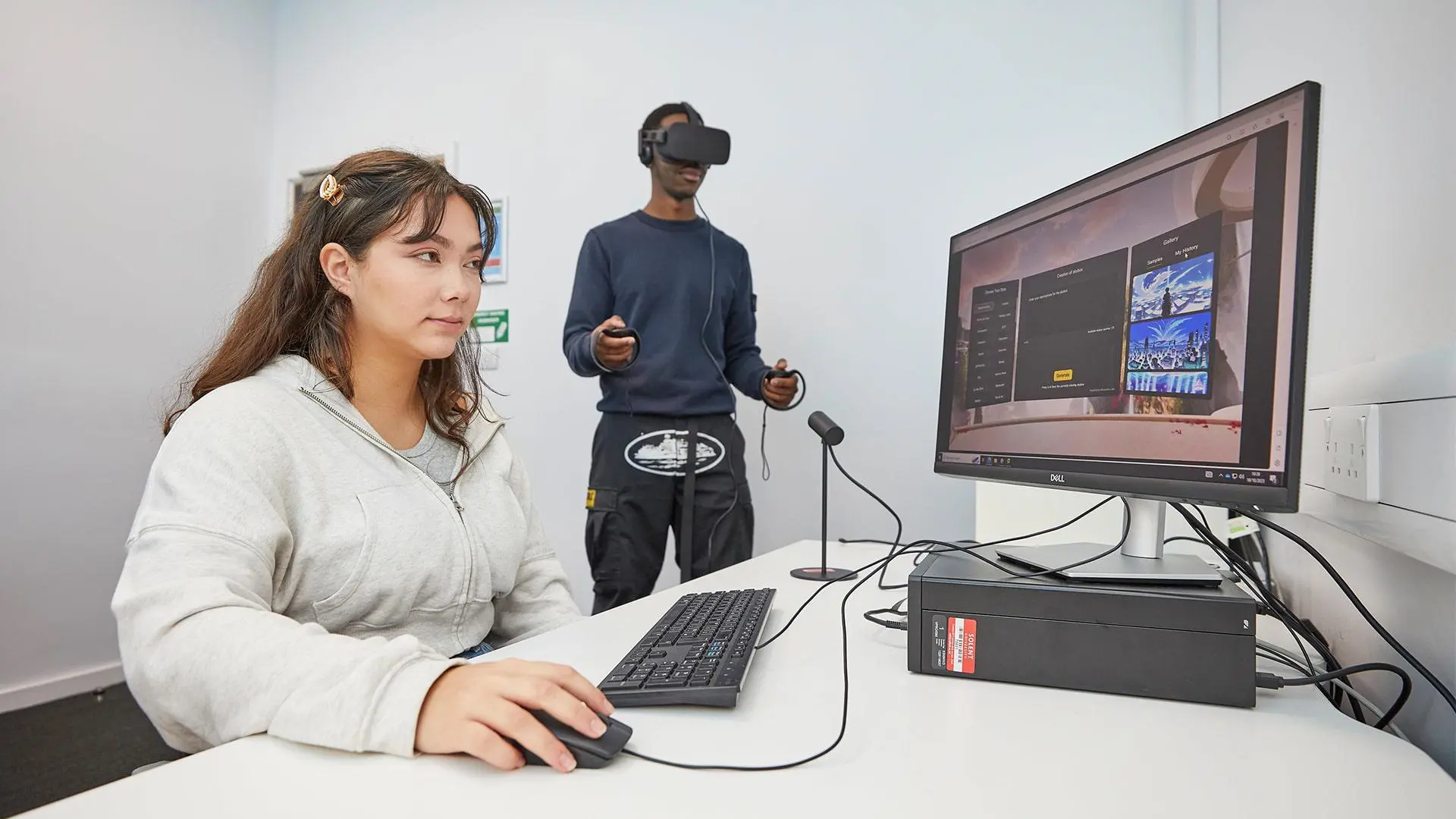
Students on this degree have full access to our range of specialist facilities, including experimental cubicles, specialist psychophysiological recording equipment and eye-tracking facilities.
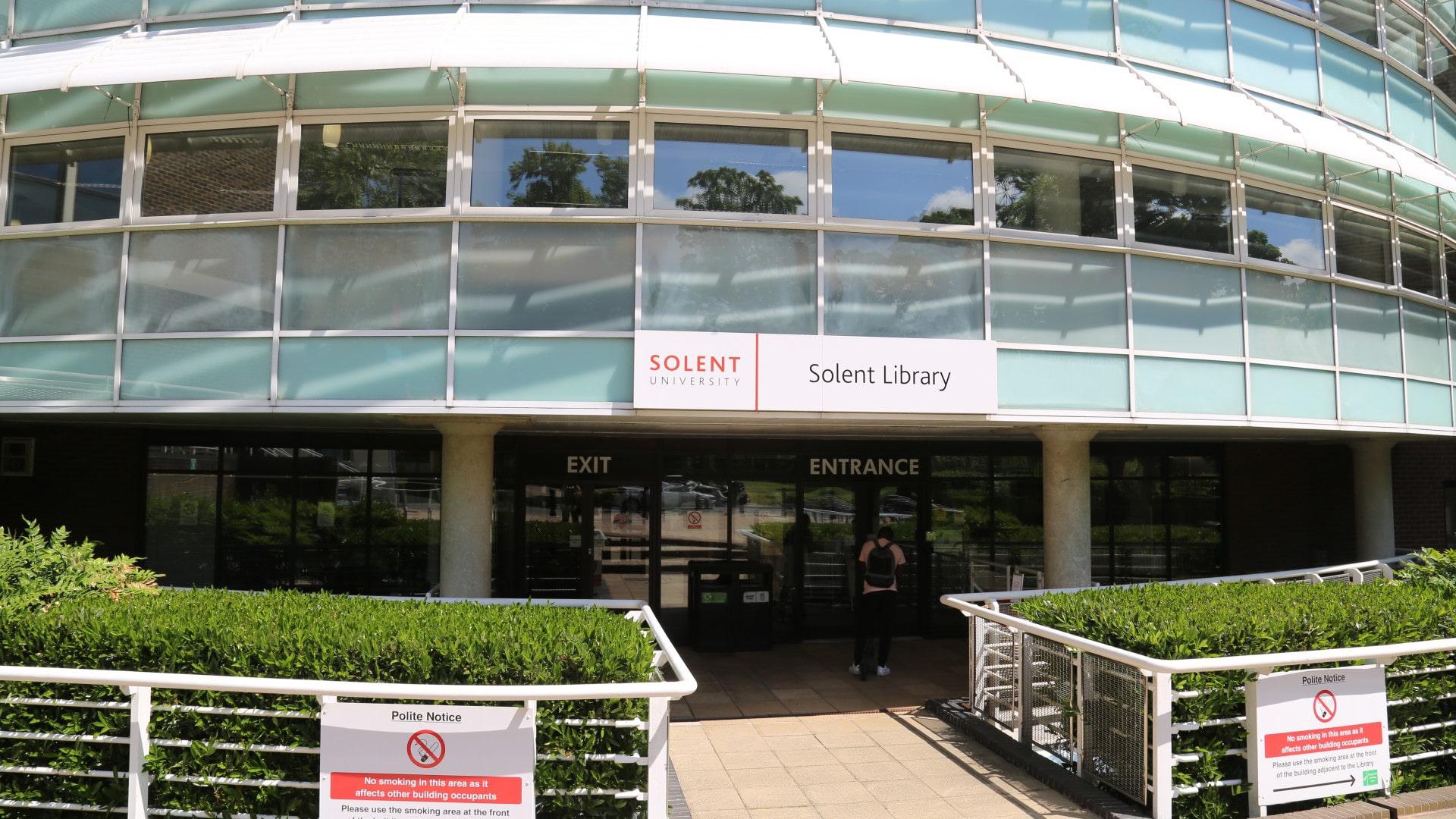
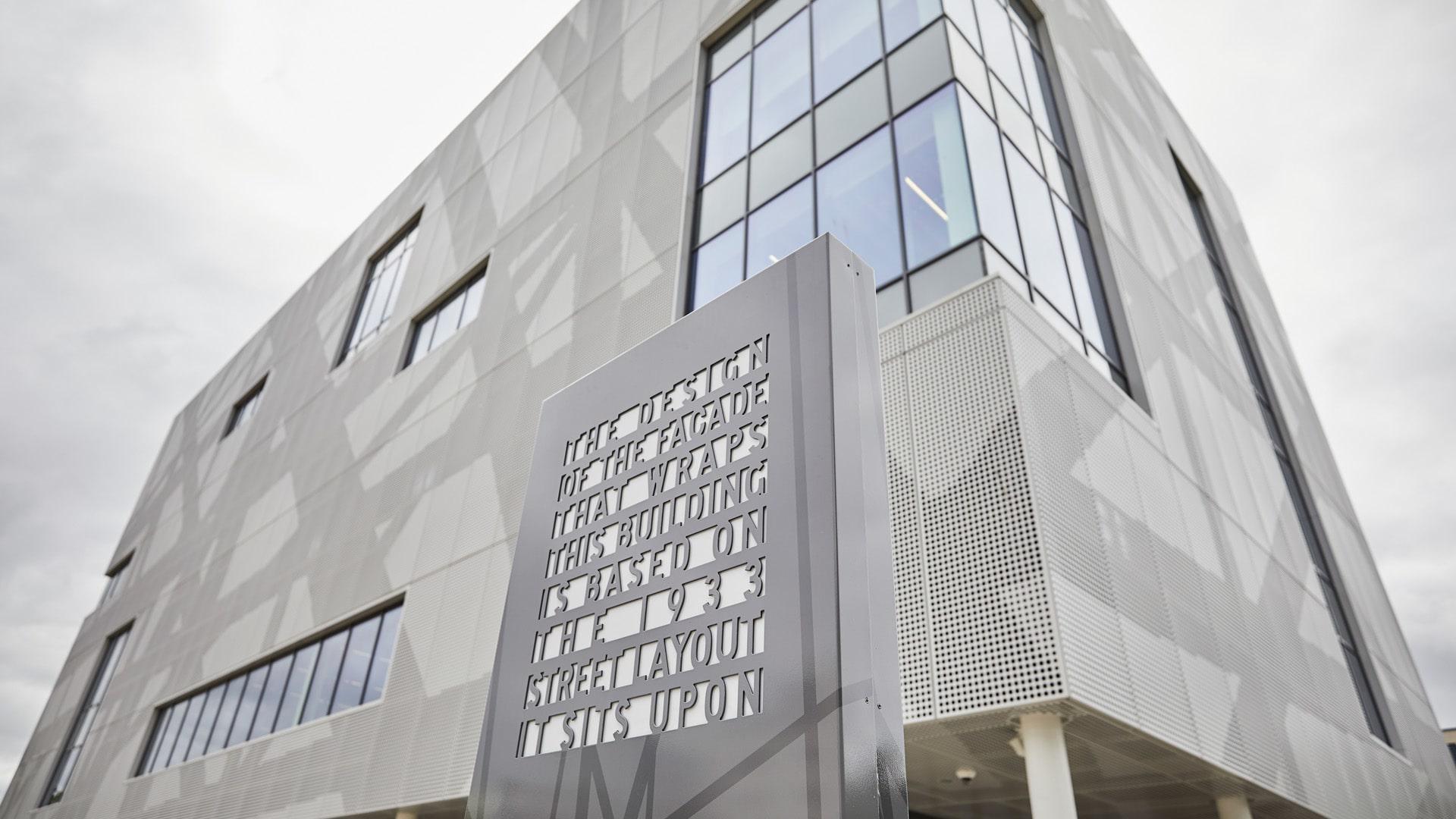
Our vibrant campus brings state-of-the-art facilities to enhance your learning and elevate your student experience. Our award-winning teaching building, The Spark is centred around students and offers a stimulating study environment with flexible learning spaces. Away from studying, why not try out the gyms, fitness studios and sports halls in our £28 million Sports Complex, or watch a blockbuster film at our student-run cinema with Dolby Atmos audio.
This module will introduce you to fundamental and historical approaches in psychology, including psychodynamic, behaviourism, cognitive and biological (both evolutionary and physiological) approaches. This will give you a grounding in how psychology has developed and the ability to describe trends in psychological history.
This module provides students with the foundational skills that are needed in all helping professions. They will practise counselling skills, gradually building a set of ‘kit’ they can draw on and they will also learn to reflect on personal and professional experiences.
This module is an introduction to social psychology, developmental psychology, individual differences and qualitative research methods. To prepare towards work in the second year, students will be introduced to the history of social psychology and the history of personality psychology.
This module will develop your understanding of how the brain supports perception, memory, thinking, emotion, and behaviour, and how dysfunction in these systems reveals the cognitive processes we rely on in everyday life. By the end of the module, you will be able to discuss key biological and cognitive concepts, evaluate research evidence, solve applied problems creatively, and communicate your own research with clarity and attention to detail.
This module deepens students’ insight into perception, memory, attention, executive function and decision-making, with a particular emphasis on the research methods used to investigate these processes.
Counselling skills are the foundation in many helping professions, and in this module students build on these skills through practise and reflection. Students will put knowledge into practice to develop and hone their counselling skills, and learn about the use of reflection and supervision in the professional context.
This module aims to provide an engaging exploration to the study of social psychology, and individual differences and studying advanced qualitative research methods to investigate social influence and diversity.
The aim of this module is to develop your psychological literacy, the ability to apply what you know from studying developmental psychology in the first year to understanding how positive psychology can improve wellbeing.
This module seeks to highlight how the discipline of psychology has wielded power and influence, and how this has led to controversies within the discipline and real-world impact beyond the academic pursuit of the discipline.
This module will begin to explore the impact of social, environmental, and biological adversity on mental health outcomes across the lifespan, considering how factors such as poverty, discrimination, family instability, and access to services, may shape vulnerability and resilience to mental health challenges.
This module allows students to independently conduct a piece of psychological research, in an area of their choosing. Students will develop in-depth knowledge of this area by reviewing psychological literature, deciding on a research question to be investigated/hypothesis to be tested, and will then design a study to answer this question.
This module will progress the psychological theory studied in years one and two, and develop how to apply social psychology and individual differences to the workplace incorporating evidence-based practice.
Contact international admissions
Email: Call:As part of this course, you will study one module at a time, giving you the chance to build a deeper understanding and see the results of your hard work more quickly. With regular assessments and feedback, rather than exams all at once, you’ll also benefit from improved focus, and a more manageable workload.
Learn more about block teaching
The student achievement team are on hand to help you succeed during your studies at Solent. They aim to contact you at key times during your time here with personalised information, advice and guidance, by email or phone.
The disability advice team provides information, advice and guidance for disabled students.
All students can access Succeed@Solent, Solent's online guide to getting better grades. It offers extensive, practical information and advice on topics such as academic writing, research and presentations.
Studying psychology gives you a broad range of skills that can open up opportunities with a wide variety of employers. Around two-thirds of psychology graduates are in employment in the UK six months after graduating, while almost a quarter undertake further study or combine further study with work.
The scientific aspects of Solent’s psychology programme provides useful tools for careers in healthcare, law enforcement, finance, IT and research. Postgraduate study and training is essential if you want to become a chartered psychologist or register as a practitioner psychologist with the Health & Care Professionals Council (HCPC). Roles could include mental health support worker, psychological wellbeing practitioner, assistant psychologist, therapeutic practitioner, research assistant,NHS information analyst.
Typical salary: £43,742 to £50,056
Starting salaries for trainee psychotherapists* in the NHS usually start at around £35,392 (Band 6 of the Agenda for Change (AfC) pay rates). Qualified NHS psychotherapists typically earn £43,742 to £50,056 (Band 7). Rates for practice work are typically between £40 and £100 per session.
*To practise as an adult psychotherapist, you should complete an accredited psychotherapy training programme. The UK Council for Psychotherapy (UKCP) accredits a number of postgraduate psychotherapy training programmes.
Starting salary: £33,706
Trainee high intensity therapists* usually start on £33,706 (Band 6) of the NHS Agenda for Change (AfC) pay rates. After qualification, salaries within the NHS progress to Band 7, which ranges from £41,659 to £47,672. With experience you can progress to senior roles that include additional management and specialist responsibilities. Salaries at this level (Band 8) range from £48,526 to £65,262.
* To practise as a high intensity therapist you'll usually need to complete a British Association for Behavioural and Cognitive Psychotherapies (BABCP) Level 2 accredited postgraduate diploma in cognitive behavioural therapy - high intensity IAPT.
Typical salary: £40,057 to £45,839
Counselling psychologists* starting as a trainee within the NHS will typically be on band 6 of the Agenda for Change (AfC) Pay Rates, which ranges from £32,306 to £39,027. Once qualified, salaries typically range from £40,057 to £45,839 (band 7). Salaries for senior psychologist roles can rise to between £47,126 and £53,219 (band 8a).
*To practise as a counselling psychologist in the UK you must be registered with the Health & Care Professions Council (HCPC), which involves training at postgraduate level.
The stated salaries are published on prospects.ac.uk.
Hear from Solent alumni about where their careers have taken them and how studying at Solent prepared them for their future.
“I think university life helped me to develop my confidence and independence which readied me for the start of my career.”
The Solent Careers team is committed to getting students into great careers.
While you are studying, the team can help you with finding work experience or placements, link you with a mentor, check your CV, or offer one-to-one guidance.
We also have graduate job opportunities just for Solent graduates.

Top 25%
of UK unis for sustained employment
Longitudinal Educational Outcomes, 2025
Every student at Solent University will also have the option to study an additional Certificate in Practical Artificial Intelligence qualification alongside their course. Free of charge, the course ensures you'll be prepared for a fantastic and varied career after graduation.

The tuition fees for the 2026/27 academic year are:
For further information, please visit our tuition fees page.
While most course costs are covered by your tuition fees, some essential resources and optional extras may need to be paid for separately. These additional costs are listed below. For advice on budgeting and managing your money, please contact student.funding@solent.ac.uk.
The 2026/27 additional costs are not yet available. For guidance, previous additional costs have been:
Compulsory costs
Solent University offers a range of bursaries and scholarships that provide financial assistance or waive fees for tuition or accommodation. Each bursary or scholarship has specific eligibility criteria. Check out our bursaries and scholarships pages to find out more.
Cost of living support
At Solent, we understand that the cost of living crisis may be of some concern. To help, we've put together some detailed information to show what support is available and how to make your money go further.
Graduation costs
There is no charge to attend graduation, but you will be required to pay for the rental of your academic gown (approximately £45 per graduate, depending on your award). You may also wish to purchase official photography packages, which range in price from £15 to £200+. Graduation is not compulsory, so if you prefer to have your award sent to you, there is no cost. Extra guest tickets will go on sale after results publication and will be sold on a first-come-first-served basis. The cost per ticket is currently £20. Please note, we do not guarantee there will be any extra tickets available to purchase.
Contact international admissions
Email: Call:Please select an option below:
As a general guide, we look for qualifications that are equivalent to the British high school A-levels.
If you are applying from outside the UK, find information about entry requirements, visas and agents for your country here.
For further information about EU qualifications, please see our course entry requirements document.
For international students who do not meet the direct entry requirements for this undergraduate degree, our trusted partner, QA Higher Education offers the following pathway programme designed to develop your academic and English language skills:
As a general guide, we look for qualifications that are equivalent to the British high school A-levels.
If you are applying from outside the UK, find information about entry requirements, visas and agents for your country here.
For further information about international qualifications, please see our course entry requirements document.
For international students who do not meet the direct entry requirements for this undergraduate degree, our trusted partner, QA Higher Education offers the following pathway programme designed to develop your academic and English language skills:
All international applicants need to be aware that the English language requirements to attend Solent University, and the English language requirements to obtain a visa from the Home Office, may be different. This means that if you meet the Solent University language requirement to gain a place on the course, you may still have to meet additional requirements to be granted with a visa by the Home Office.
We strongly advise all applicants to visit the Home Office website which outlines all the requirements for a successful visa application
Full-time
Any student applying for the first year of a full-time/sandwich undergraduate course must apply through UCAS (University and Colleges Admissions Service). This includes mature, overseas and EU students.
Nearly all schools and colleges offer their students the facility of applying electronically through the UCAS website using 'Apply'; it may also be used by those applying independently in the UK and overseas. This facility and all course information can be found on the UCAS website: www.ucas.com.
Your application should reach UCAS by 14 January if you hope to enter a course the following autumn. Early application is advised for the most popular subject areas. Late applications may be made until the end of June. The UCAS Code for the University is S30, code name SOLNT.
Find out what happens after you apply
Contextual offers
Solent endeavours to offer learning opportunities to students from all backgrounds. When we receive and review an application, we take into consideration the context and personal circumstances of applicants when making a decision, which means our advertised entry tariff could be reduced.
Find out more about Solent's contextual offers
Applicants who do not have English as their first language will be required to demonstrate an approved level of proficiency in the use of the English language. The agreed minimum requirements for this course are:
TOEFL IBT tests taken prior to 21 January 2026
TOEFL IBT tests taken from 21 January 2026
Qualifications are checked before enrolment, and international students must bring their original certificates or certified copies when coming to study at the University.
Pre-Sessional English programme
The University also offers a pre-sessional English programme for international students who wish to improve their level of English before starting a degree course.
Contact international admissions
Email: Call: