“The lecturers have worked in many different fields and sports, which is great as they each bring different experiences.”

Kelly Simm
Coaching and mentoring (freelance) and Athlete Support Officer
Frags and Simm and Solent University

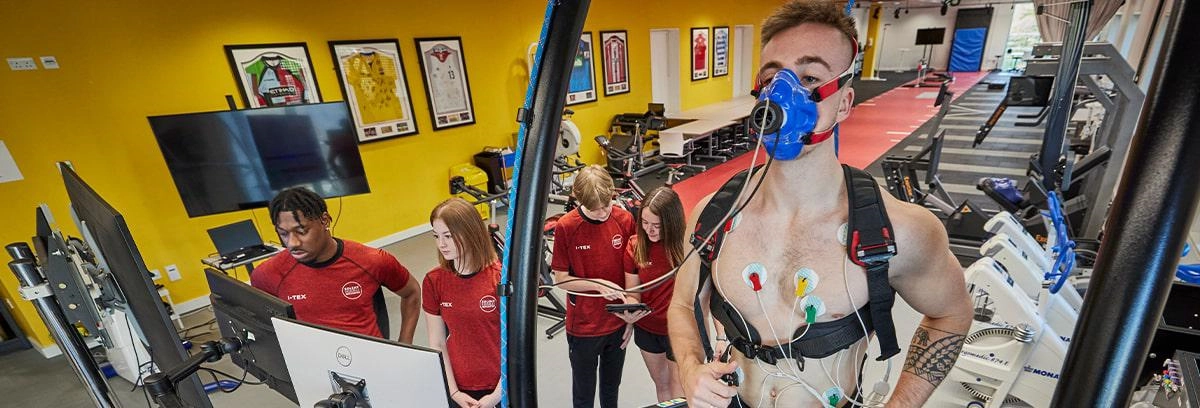
Gain a comprehensive understanding of sport and exercise performance with this highly-regarded degree that combines access to specialist facilities with professional placements and hands-on learning.
Contact international admissions
Email: Call:This practice-led degree is founded upon the underlying principles of physiology, psychology, strength and conditioning, performance analysis and biomechanics. The course combines these scientific principles with highly practical skills to give you a 360-degree understanding of an athlete within performance contexts, helping you to prepare you for a career in the sport and exercise science industry.
Modules and assessments have been created to develop key employability skills and to complement your degree studies, you’ll be encouraged to prepare for CASES and UK Strength and Conditioning Association (UKSCA) professional accreditation.
To help prepare you for a career in the sports industry, an applied and hands-on approach is encouraged. Through professional placements and applied practice you will gain first-hand experience of working with teams and athletes in a high-performance environment. With support and mentoring from the course team, past students have provided sport science support to premiership rugby and football players, Olympic athletes, and national teams.
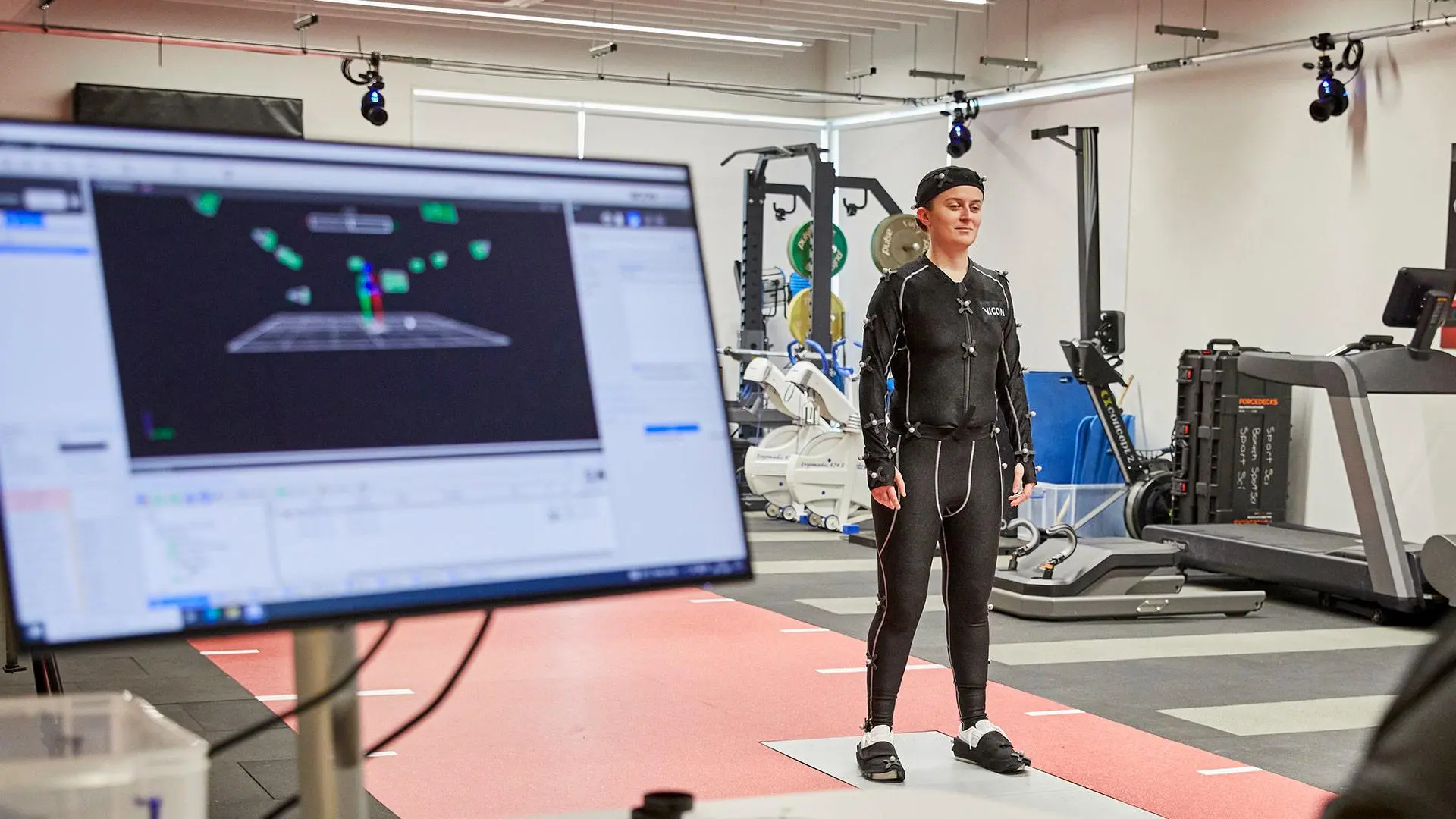
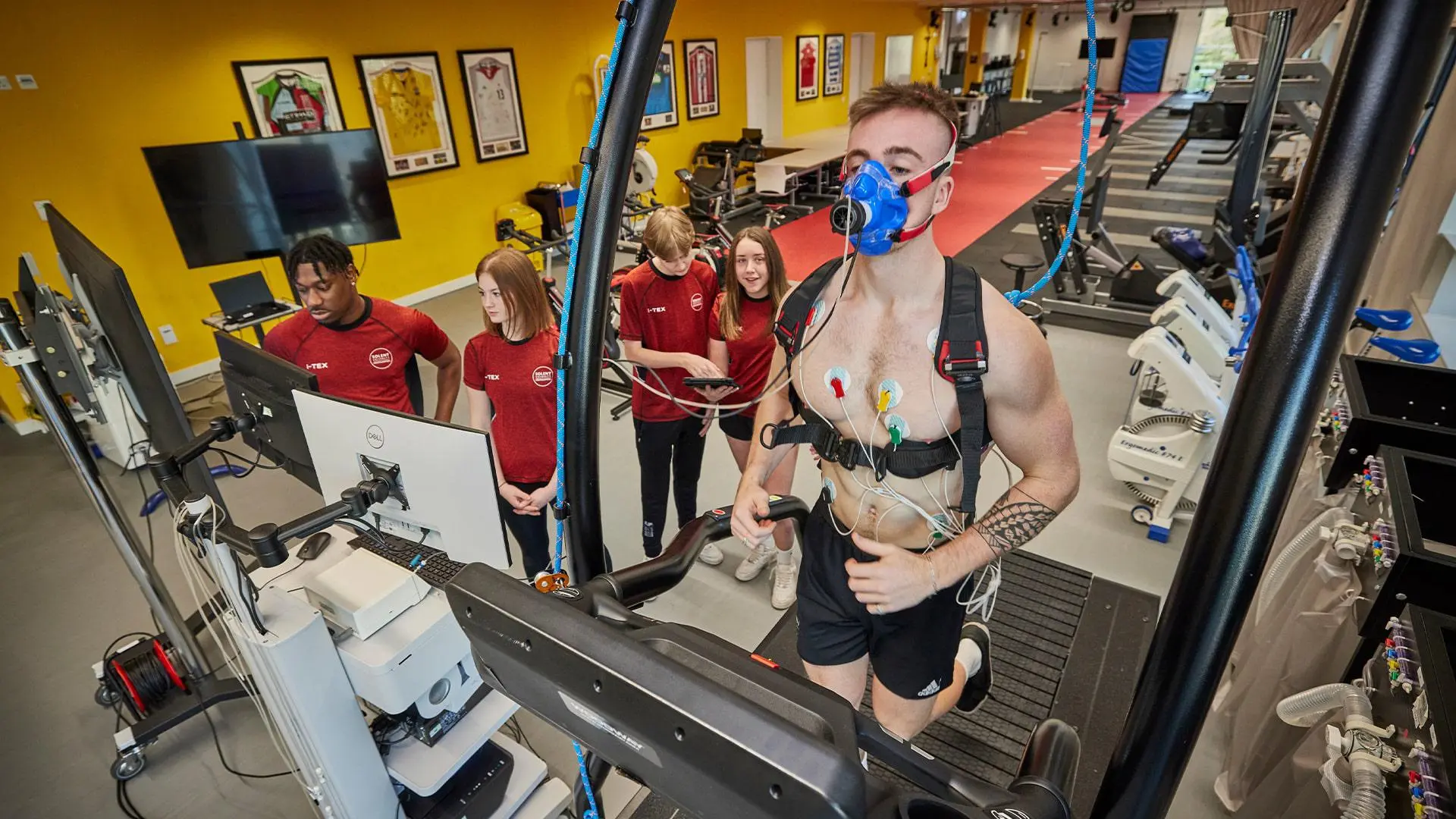
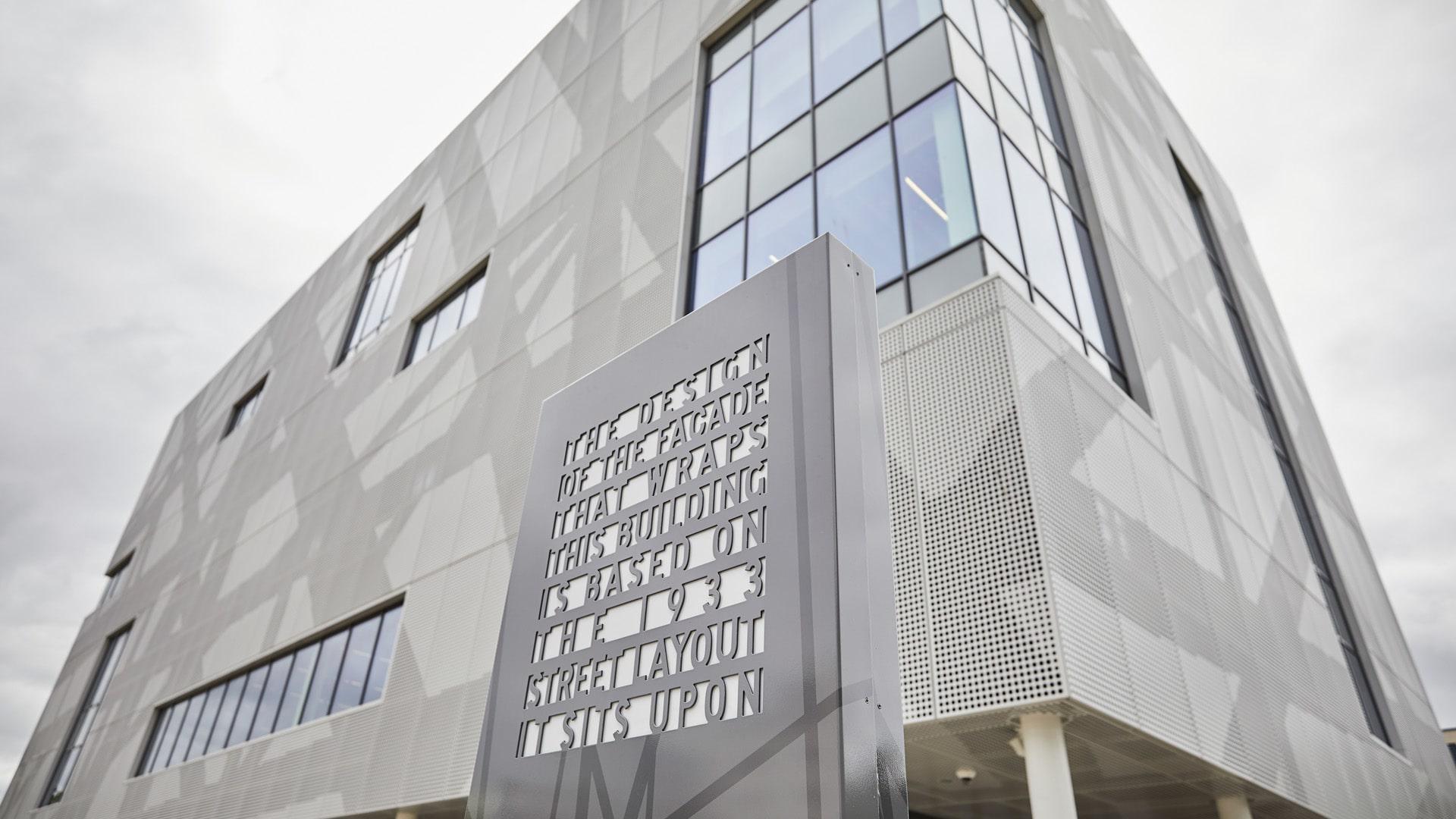
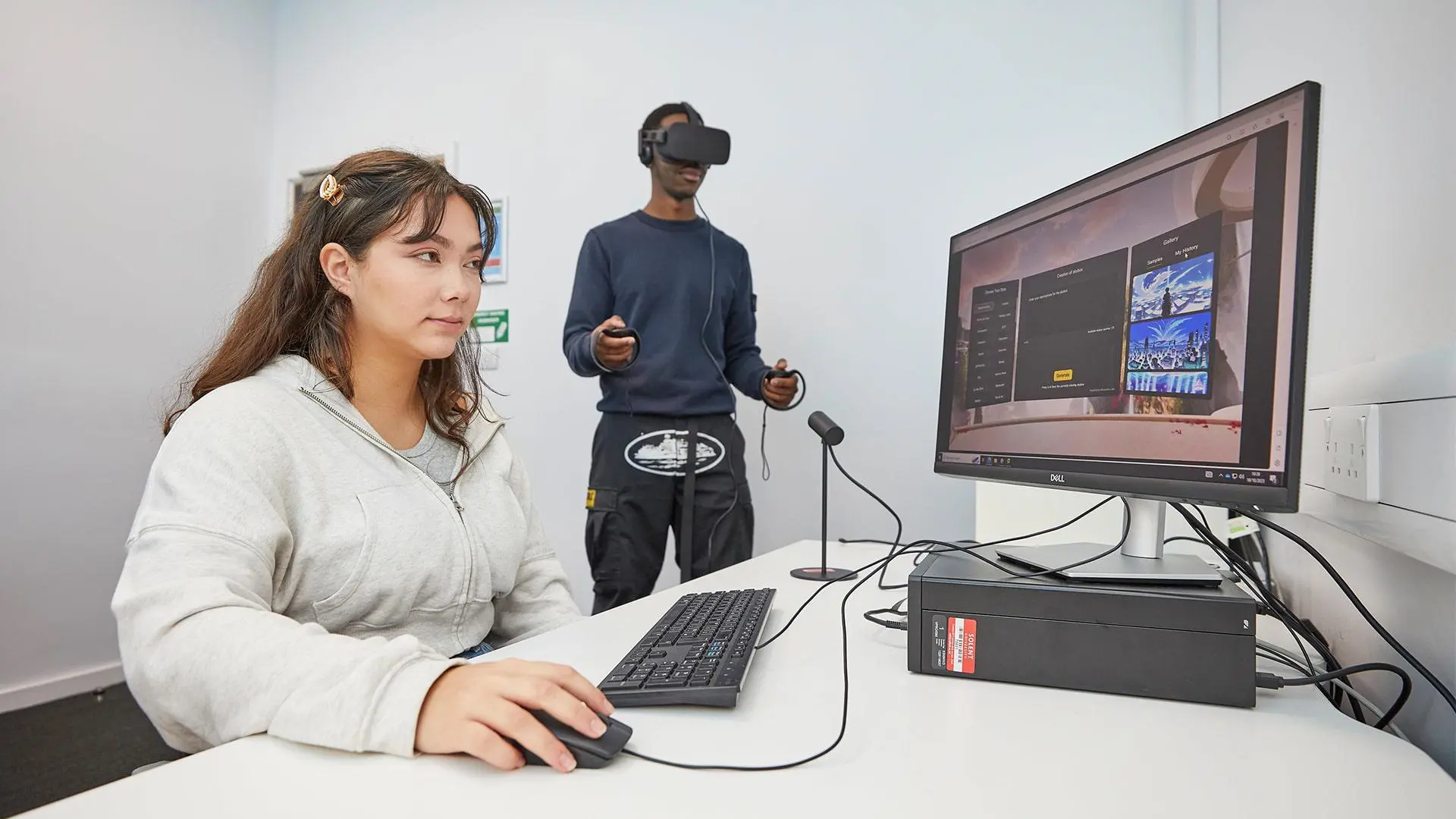
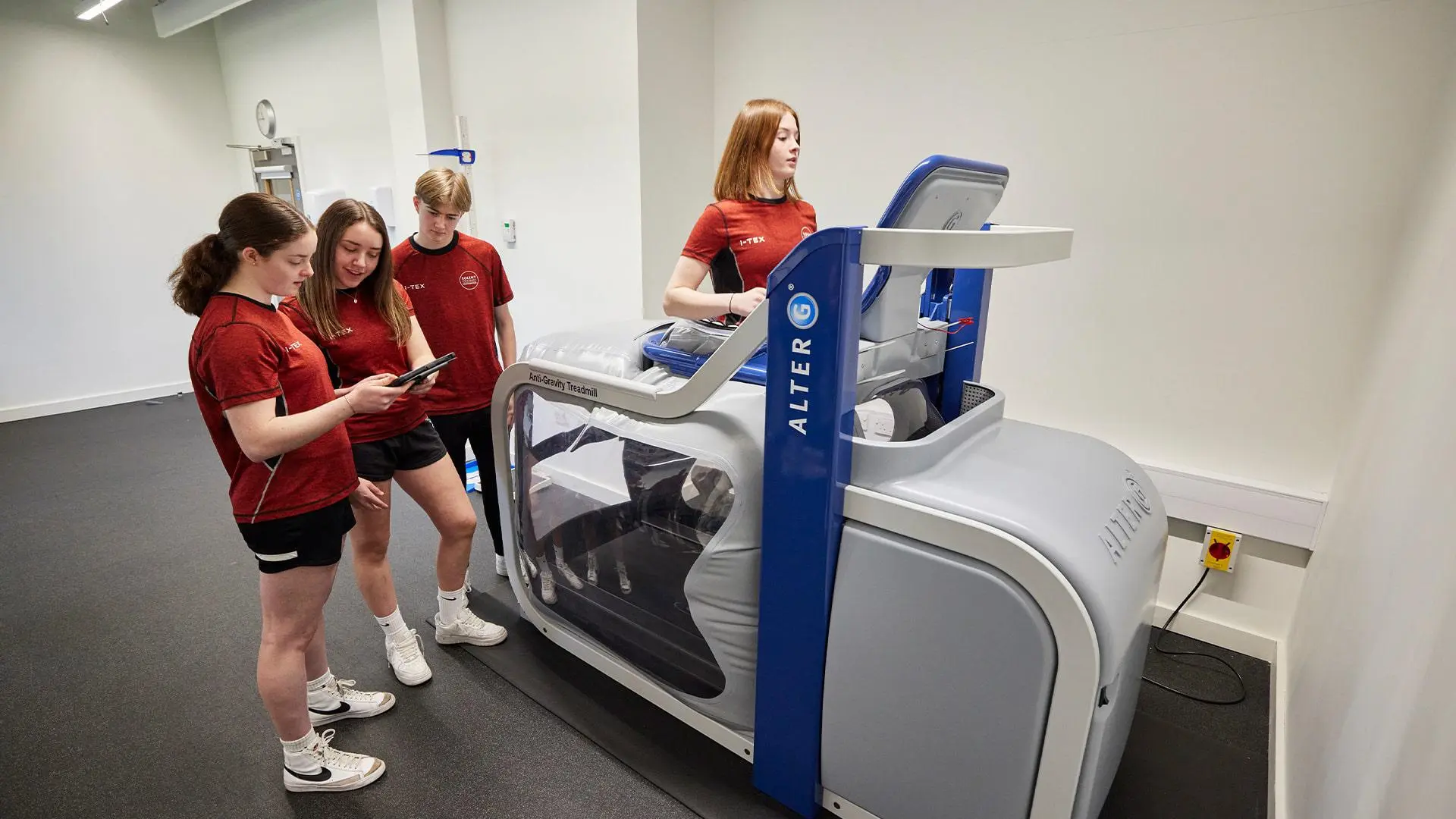
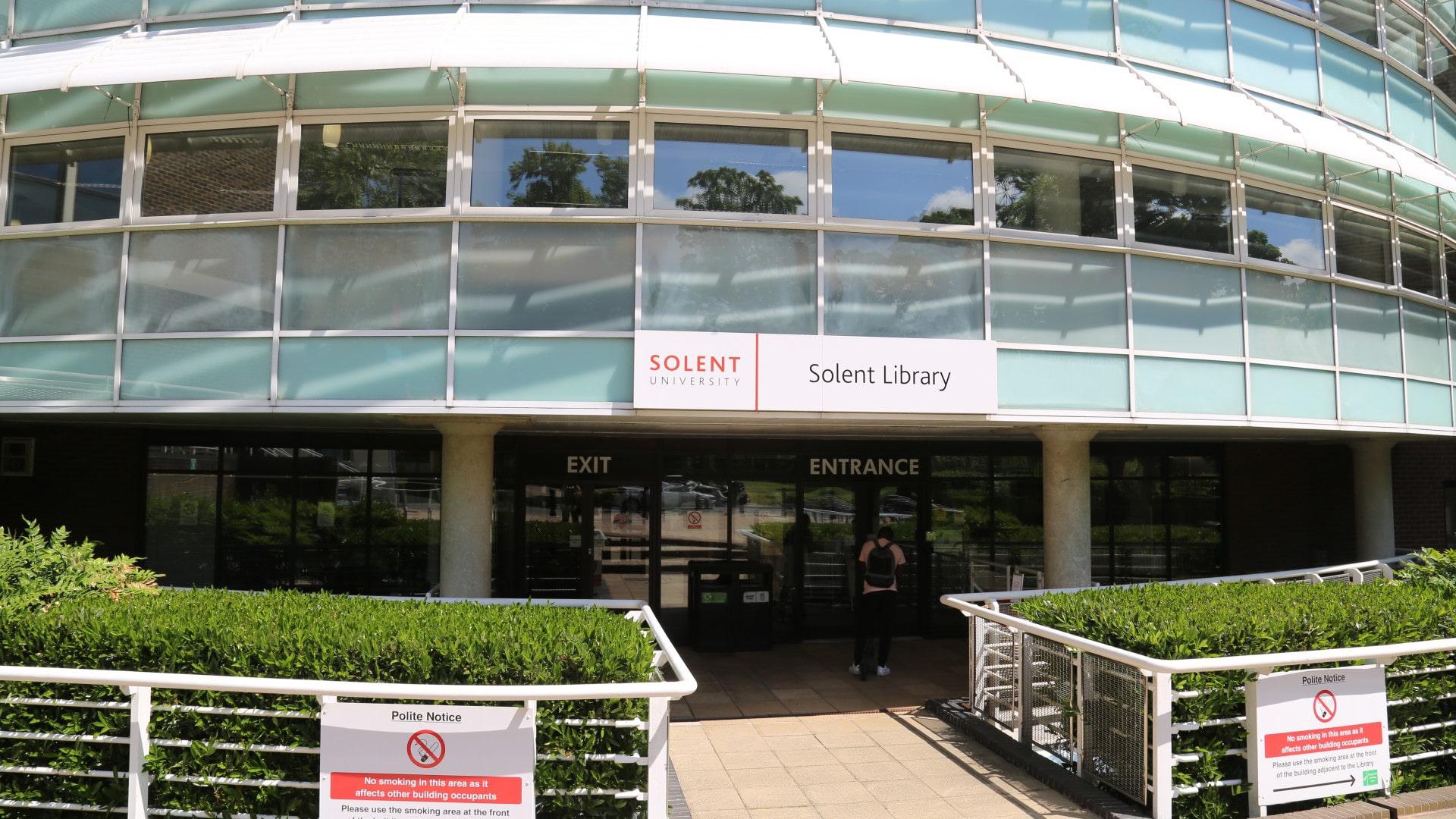
Throughout your degree, you’ll have access to a range of professional facilities such as our specialist CASES-accredited physiology laboratory and state-of-the-art biomechanics, sport and exercise psychology laboratories, our £28m sports complex, the award-winning Spark teaching building and a 24-hour library service.
Our academic team are all highly experienced within the industry and have extensive teaching, research and professional backgrounds. This ensures your learning experience will be informed by the latest evidence-based research and industry developments.
Industry professionals also regularly contribute to the course through guest lectures and workshops, providing insight into contemporary issues, career pathways, and emerging trends within the sport and exercise science sector. In addition, the course hosts an annual industry showcase, inviting employers, practitioners, and alumni to the University, providing you with valuable opportunities to network, present your work, engage with potential employers, and develop your professional identity.
If you’re looking to study our sport and exercise science degree but don’t have the relevant qualifications or experience, the health, sport and social sciences foundation year will help you develop the core skills and knowledge to progress. Find out more about the health, sport and social sciences foundation year.
This course also offers the option of a placement year. A placement year allows you to put what you've learned in your first and second years into practice in the workplace, gaining valuable real-world work experience before you graduate. Our course and placements teams will help you find the perfect industry placement in your chosen field.
CASES Outreach Hub

Industry links with high-level sports teams, enables students to gain first-hand experience in a high-performance environment.
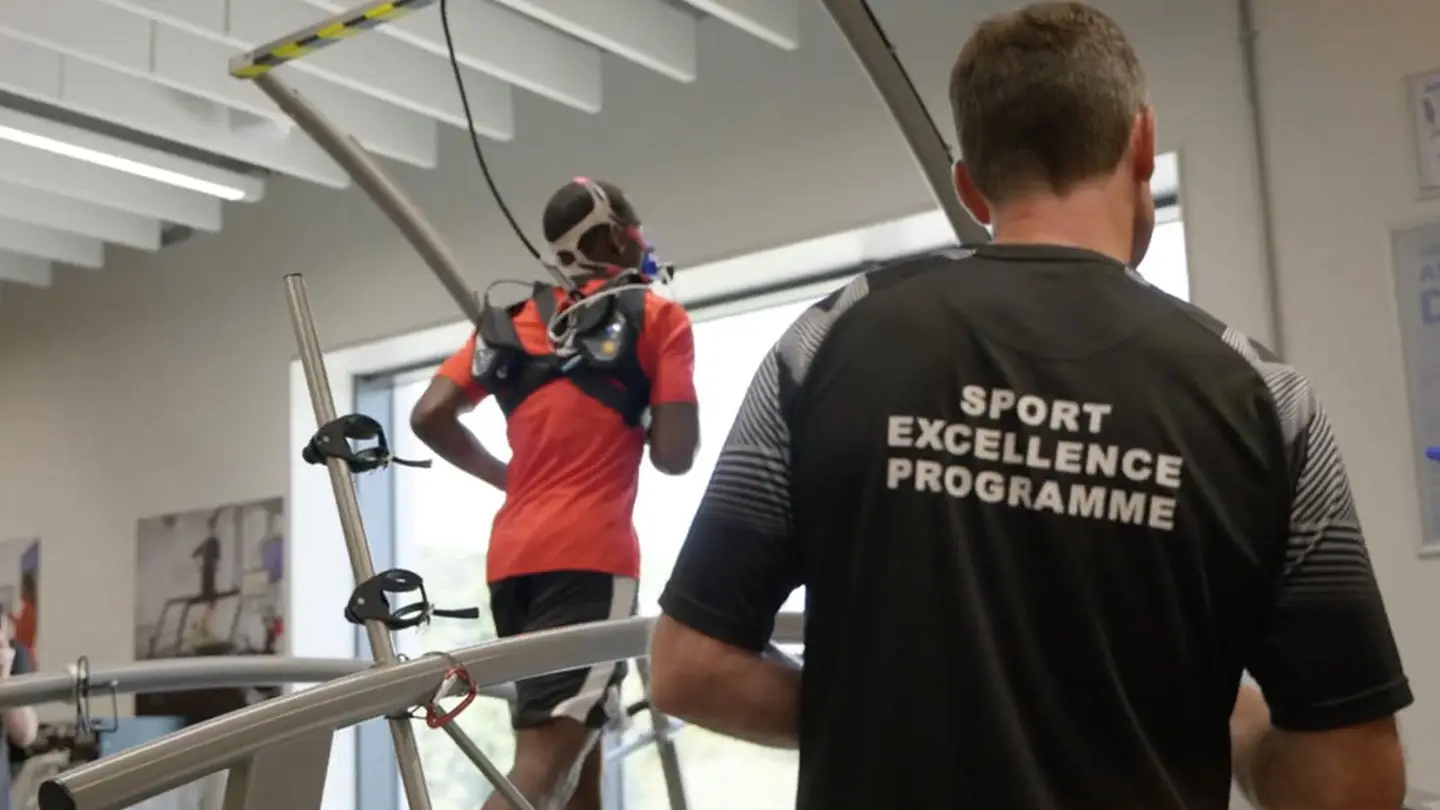
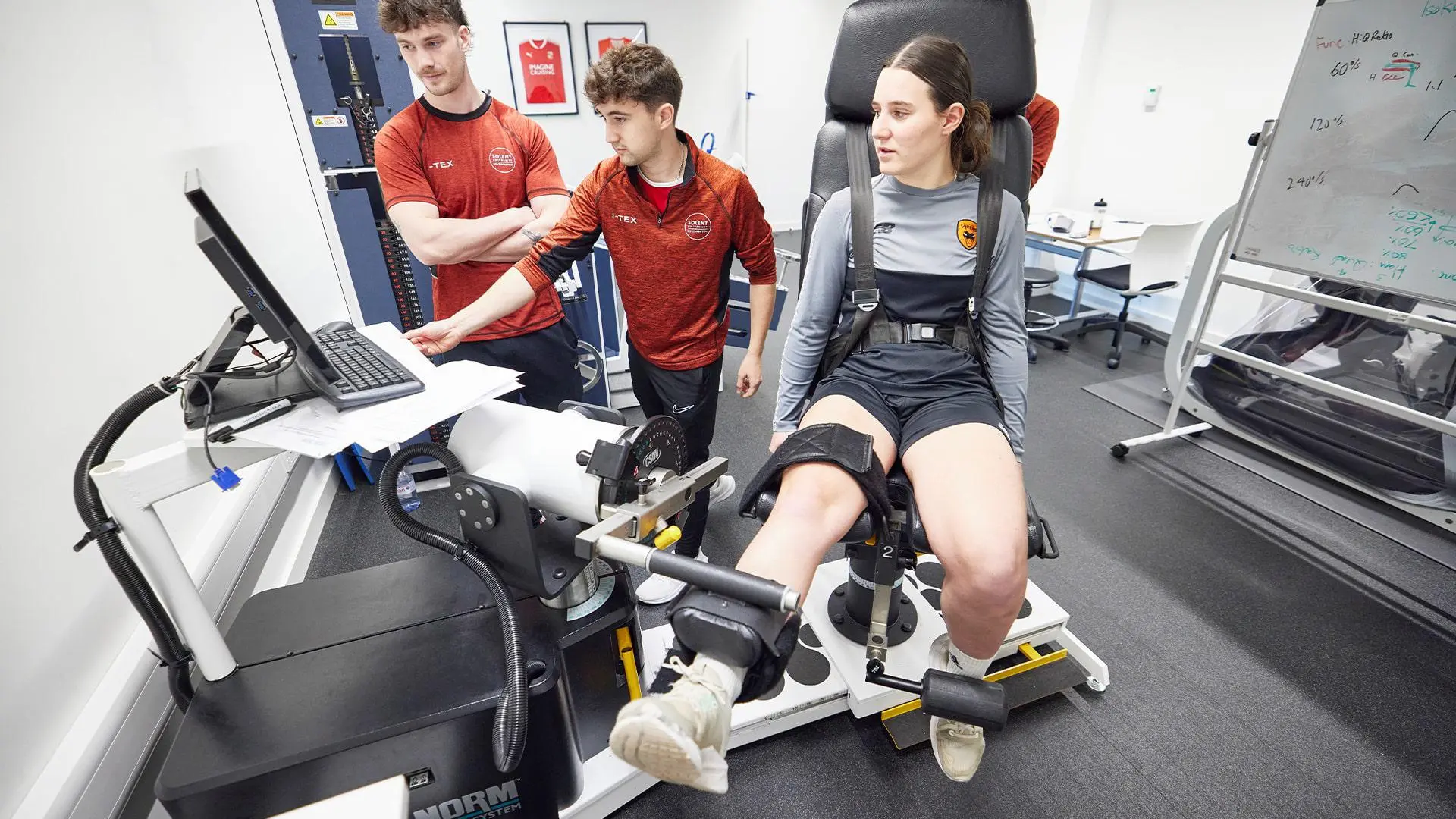
This practice-led course is ideal for anyone with a passion for sport and exercise, in particular the science behind elite performance. Applications from mature students and those looking for a change of career are welcomed.
The skills you’ll develop on this course open up a wide range of career opportunities in sport and exercise science, across every sport imaginable. You could work with professional, elite or Olympic athletes, ensuring they maintain peak fitness in world-class competitions, or with hospitals and health organisations to develop training and recovery programmes for patients suffering injury or disability. You could also work with schools or even teach, developing fitness programmes and encouraging the next generation of athletes to excel.
Whatever your chosen career path in this sector, you'll graduate well prepared for a career at the performance end of sport, working in applied, fast-paced environments where evidence-based decision-making and practical expertise are essential.
Hear from Solent alumni about where their careers have taken them and how studying at Solent prepared them for their future.
“The lecturers have worked in many different fields and sports, which is great as they each bring different experiences.”
Coaching and mentoring (freelance) and Athlete Support Officer
Frags and Simm and Solent University
The course team has strong and well-established national and international links with the sport and exercise science industry, which actively inform and support the development and delivery of the programme. Many members of the team are currently involved in providing sport science support to professional and national sporting organisations, including Hampshire Cricket, Southampton Football Club, and the Saints Foundation. Several staff are also accredited by the UK’s professional body (CASES) and are able to supervise students undertaking the CASES Supervised Experience scheme, supporting students’ progression towards professional accreditation.

Course Leader

Senior Lecturer

Lecturer
Lecturer

Senior Lecturer

Lecturer

Senior Lecturer

Lecturer

Lecturer

Technician
Senior Lecturer
Lecturer

Lecturer
The University cannot guarantee any particular members of staff will teach specific aspects of the course in the future, but will endeavour to ensure the teaching team maintains their balance of experience and qualifications.
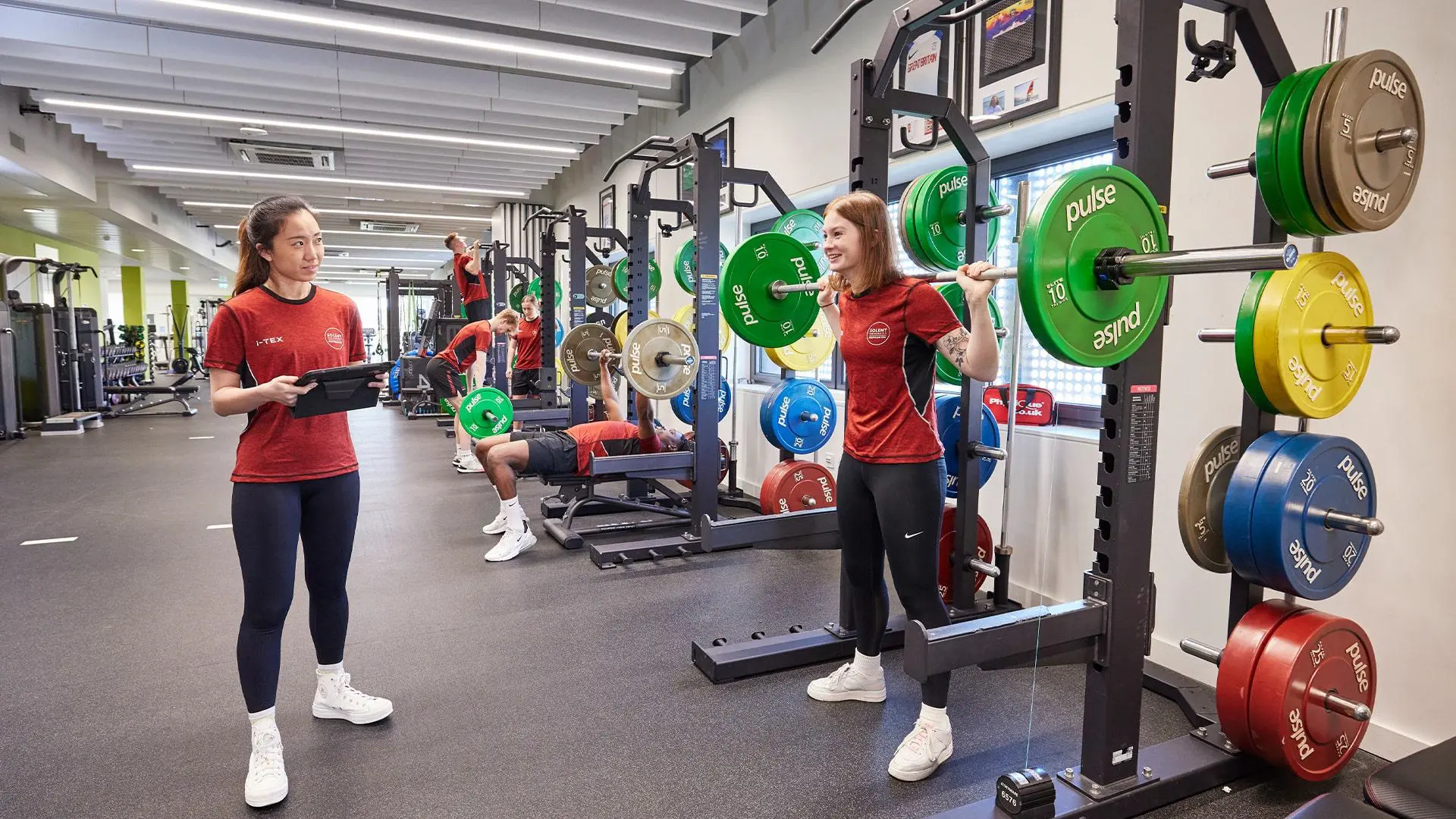
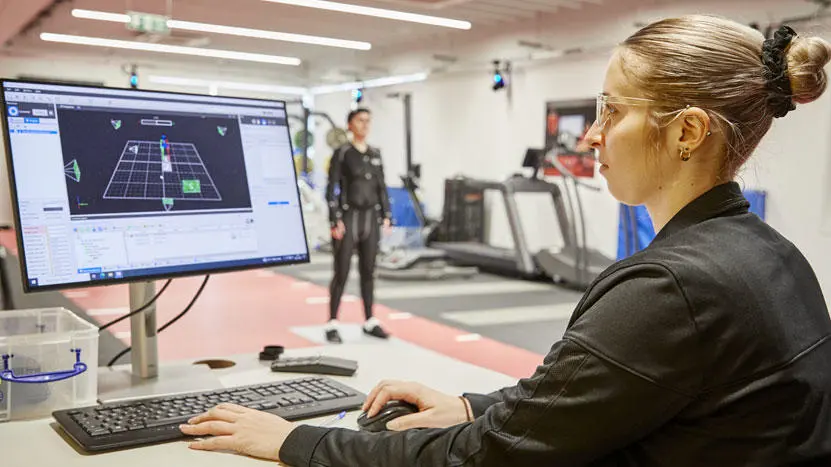
Students on this course have access to the University's industry-standard sport and exercise facilities, including the Sports Complex, physiology lab, biomechanics lab and sport and exercise psychology lab.
Our vibrant campus brings state-of-the-art facilities to enhance your learning and elevate your student experience. Our award-winning teaching building, The Spark is centred around students and offers a stimulating study environment with flexible learning spaces. Away from studying, why not try out the gyms, fitness studios and sports halls in our £28 million Sports Complex, or watch a blockbuster film at our student-run cinema with Dolby Atmos audio.
Broaden your horizons by adding an international dimension to your CV – essential to achieving success in today’s fast-changing, global environment.
Studying, working or volunteering in another country could be the experience of a lifetime. Enhance your degree by developing important global skills such as knowledge of other countries, language skills, intercultural awareness, adaptability and confidence.
For more information, please email international.mobility@solent.ac.uk.
This module provides students with a comprehensive introduction to the core disciplines that underpin sport and exercise science. You'll engage with the fundamental principles of sport and exercise biomechanics, physiology, and psychology, developing both theoretical knowledge and applied insight into how these domains contribute to the assessment, monitoring, and enhancement of athletic capability.
This module introduces you to the key psychological factors that influence sporting performance and behaviour across a range of competitive contexts. You'll address real-world challenges faced by performers and practitioners, such as performing under pressure, enhancing confidence, and sustaining motivation. You'll also examine a range of methods used to conduct psychological analysis, including observation, self-report measures, and reflective practice.
This module will provide you with the fundamental biomechanical principles of human movement. Knowing how and why a person moves, will prepare you to work as a practitioner, devising interventions and training programmes to ensure people achieve their athletic potential. You'll complete regular practical sessions using key biomechanical equipment, to help you prepare for working in the real world. You'll also be introduced to the fundamentals of notational/performance analysis, providing a link between human movement and sporting performance.
This module introduces the foundations of performance assessment and physical training within sport and exercise science. You'll focus on understanding the key physiological factors that influence athletic performance and will learn how to conduct fundamental fitness tests, interpret results, and use evidence-based principles to design basic training programmes.
This module will examine what is considered the athletes lifespan. You'll explore notational and performance analysis, including movement testing and assessment, alongside the physiological demands of sport such as maturation processes, including muscular, skeletal, and hormonal development. You'll also examine core principles of nutrition, sport psychology, and physiology, as well as strength and conditioning, movement quality, and kinesiopathology/pathokinesiology to develop a comprehensive understanding of how athletes move and perform across the lifespan.
This module explores the key lifestyle demands, pressures and support needs experienced by athletes as they balance the requirements of training, competition, education, work and personal life. You will examine the social, psychological and environmental factors that influence an athlete’s ability to maintain wellbeing, manage transitions and develop sustainable routines that support both performance and long-term health.
This module explores how skill, decision-making, and performance can be analysed and developed using a multidisciplinary approach. Drawing from sport science, psychology, biomechanics, and coaching theory, you will examine how athletes perform, why they succeed or fail under pressure, and how targeted feedback and training methods can enhance outcomes in competitive environments.
This module strengthens your ability to understand and analyse data within a sporting context. With a focus on how data can lead to informing decisions, you'll explore ideas regarding data collection, cleaning, processing and how these relate to statistics. You'll also be taught how to visualise data effectively so that you are able to communicate meaning from the data to a diverse audience.
This module develops a holistic understanding of working with injured athletes by integrating perspectives from biomechanics, sport psychology, strength and conditioning, and soft tissue therapy. You'll examine the causes of injury and explore both the acute and long-term implications for athletic performance. You'll focus on developing the ability to evaluate physical and psychological responses to injury, considering appropriate rehabilitation and return-to-play strategies, and applying evidence-based decision-making within applied sport contexts.
In this module you'll develop your ability to critically engage with current debates, challenges, and innovations within the field of sport and exercise science. You will explore a range of contemporary issues faced by researchers and practitioners, identifying gaps in knowledge, methodological limitations, and practical problems that impact the industry.
This module provides you with a critical and practice-focused exploration of reflective practice within sport and exercise science, preparing you for the demands of evidence-based professional work. You'll engage with established reflective models - including those developed by Gibbs, Kolb and Schön - to understand how systematic reflection supports effective decision-making, enhances the quality of service delivery, and drives ongoing professional growth in applied environments.
In this module you'll utilise the skills you have developed throughout the course. You'll have the opportunity to complete a research project, work-based project, or case study under direct supervision, on a topic of your choice. At the beginning of this module, you must find a suitable academic supervisor who will be active in monitoring your progress and supporting the project.
Contact international admissions
Email: Call:As part of this course, you will study one module at a time, giving you the chance to build a deeper understanding and see the results of your hard work more quickly. With regular assessments and feedback, rather than exams all at once, you’ll also benefit from improved focus, and a more manageable workload.
Learn more about block teaching
The student achievement team are on hand to help you succeed during your studies at Solent. They aim to contact you at key times during your time here with personalised information, advice and guidance, by email or phone.
The disability advice team provides information, advice and guidance for disabled students.
All students can access Succeed@Solent, Solent's online guide to getting better grades. It offers extensive, practical information and advice on topics such as academic writing, research and presentations.
The sport and exercise science industry offers a dynamic and rewarding career pathway, with growing demand for graduates who can apply scientific knowledge within high-performance sport environments.
A recent report from The Physiological Society and GuildHE entitled Sport and Exercise Science Education: Impact on the UK Economy highlighted the significant contribution that sport and exercise scientists make to the UK economy and the increasing importance of the discipline to society. Relevant within the report was a graduate impact case study feature on Solent’s success in partnerships with professional sporting organisations.

Salary range: £18,000 to £35,000
If you work in high-profile sports science, your salary can exceed £60,000 and may reach up to £100,000.
Starting salary: £15,000 to £25,000
These are typical starting salaries for newly qualified sports coaches working for local authorities. The typical salary range for senior coaches employed by National Governing Bodies (NGBs) or professional sports clubs is £30,000 to £35,000.
The stated salaries are published on prospects.ac.uk. Income figures are intended as a guide only.
Hear from Solent alumni about where their careers have taken them and how studying at Solent prepared them for their future.
“The lecturers have worked in many different fields and sports, which is great as they each bring different experiences.”
Coaching and mentoring (freelance) and Athlete Support Officer
Frags and Simm and Solent University
The Solent Careers team is committed to getting students into great careers.
While you are studying, the team can help you with finding work experience or placements, link you with a mentor, check your CV, or offer one-to-one guidance.
We also have graduate job opportunities just for Solent graduates.

Top 25%
of UK unis for sustained employment
Longitudinal Educational Outcomes, 2025
Every student at Solent University will also have the option to study an additional Certificate in Practical Artificial Intelligence qualification alongside their course. Free of charge, the course ensures you'll be prepared for a fantastic and varied career after graduation.

Thinking about studying further than an undergraduate degree? Alumni can get 20% off their postgraduate study.
Explore the science behind physical health and exercise and the impact it has on individuals with clinical disease on this industry-led, practical course.
Find out moreThe tuition fees for the 2027/28 academic year are:
For further information, please visit our tuition fees page.
While most course costs are covered by your tuition fees, some essential resources and optional extras may need to be paid for separately. These additional costs are listed below. For advice on budgeting and managing your money, please contact student.funding@solent.ac.uk.
The 2026/27 additional costs are:
Compulsory costs
General
Students enrolling on our sport courses are expected to wear a Solent sports kit. The cost of a bundle of kit is estimated at £135, although single items can be purchased separately. Further details are available from the course leader.
Students are required to undertake DBS criminal records checks as part of their enrolment. This is compulsory and is payable by the student at a cost of £60. The DBS check is organised by the University.
Optional costs
Students may have the chance to undertake optional Active IQ qualifications alongside their studies. Prices vary but are between £100 and £300.
Solent University offers a range of bursaries and scholarships that provide financial assistance or waive fees for tuition or accommodation. Each bursary or scholarship has specific eligibility criteria. Check out our bursaries and scholarships pages to find out more.
Cost of living support
At Solent, we understand that the cost of living crisis may be of some concern. To help, we've put together some detailed information to show what support is available and how to make your money go further.
Graduation costs
There is no charge to attend graduation, but you will be required to pay for the rental of your academic gown (approximately £45 per graduate, depending on your award). You may also wish to purchase official photography packages, which range in price from £15 to £200+. Graduation is not compulsory, so if you prefer to have your award sent to you, there is no cost. Extra guest tickets will go on sale after results publication and will be sold on a first-come-first-served basis. The cost per ticket is currently £20. Please note, we do not guarantee there will be any extra tickets available to purchase.
Contact international admissions
Email: Call:Please select an option below:
As a general guide, we look for qualifications that are equivalent to the British high school A-levels.
If you are applying from outside the UK, find information about entry requirements, visas and agents for your country here.
For further information about EU qualifications, please see our course entry requirements document.
For international students who do not meet the direct entry requirements for this undergraduate degree, our trusted partner, QA Higher Education offers the following pathway programme designed to develop your academic and English language skills:
As a general guide, we look for qualifications that are equivalent to the British high school A-levels.
If you are applying from outside the UK, find information about entry requirements, visas and agents for your country here.
For further information about international qualifications, please see our course entry requirements document.
For international students who do not meet the direct entry requirements for this undergraduate degree, our trusted partner, QA Higher Education offers the following pathway programme designed to develop your academic and English language skills:
All international applicants need to be aware that the English language requirements to attend Solent University, and the English language requirements to obtain a visa from the Home Office, may be different. This means that if you meet the Solent University language requirement to gain a place on the course, you may still have to meet additional requirements to be granted with a visa by the Home Office.
We strongly advise all applicants to visit the Home Office website which outlines all the requirements for a successful visa application
Full-time
Any student applying for the first year of a full-time/sandwich undergraduate course must apply through UCAS (University and Colleges Admissions Service). This includes mature, overseas and EU students.
Nearly all schools and colleges offer their students the facility of applying electronically through the UCAS website using 'Apply'; it may also be used by those applying independently in the UK and overseas. This facility and all course information can be found on the UCAS website: www.ucas.com.
Your application should reach UCAS by 14 January if you hope to enter a course the following autumn. Early application is advised for the most popular subject areas. Late applications may be made until the end of June. The UCAS Code for the University is S30, code name SOLNT.
Find out what happens after you apply
Contextual offers
Solent endeavours to offer learning opportunities to students from all backgrounds. When we receive and review an application, we take into consideration the context and personal circumstances of applicants when making a decision, which means our advertised entry tariff could be reduced.
Find out more about Solent's contextual offers
Applicants who do not have English as their first language will be required to demonstrate an approved level of proficiency in the use of the English language. The agreed minimum requirements for this course are:
TOEFL IBT tests taken prior to 21 January 2026
TOEFL IBT tests taken from 21 January 2026
Qualifications are checked before enrolment, and international students must bring their original certificates or certified copies when coming to study at the University.
Pre-Sessional English programme
The University also offers a pre-sessional English programme for international students who wish to improve their level of English before starting a degree course.
Contact international admissions
Email: Call: