“Solent's campus was lovely and student life amazing. Meeting new people, bumping into classmates, having lunch together.”
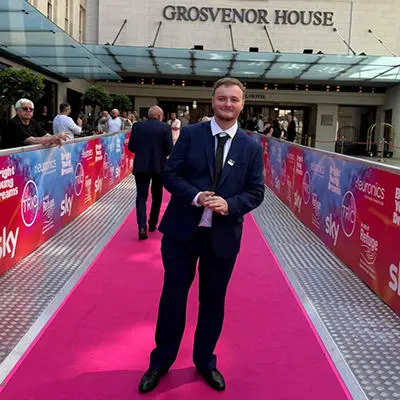

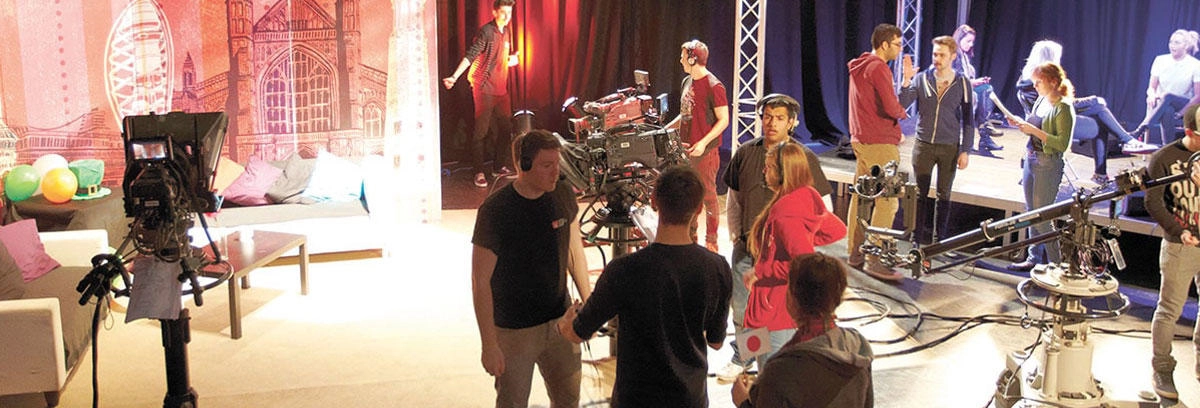
Get the hands-on experience for a rewarding career in the creative industries on this ScreenSkills-accredited degree. Our graduates have gone on to work at Sky, Amazon, Apple TV, the BBC and more.
Contact international admissions
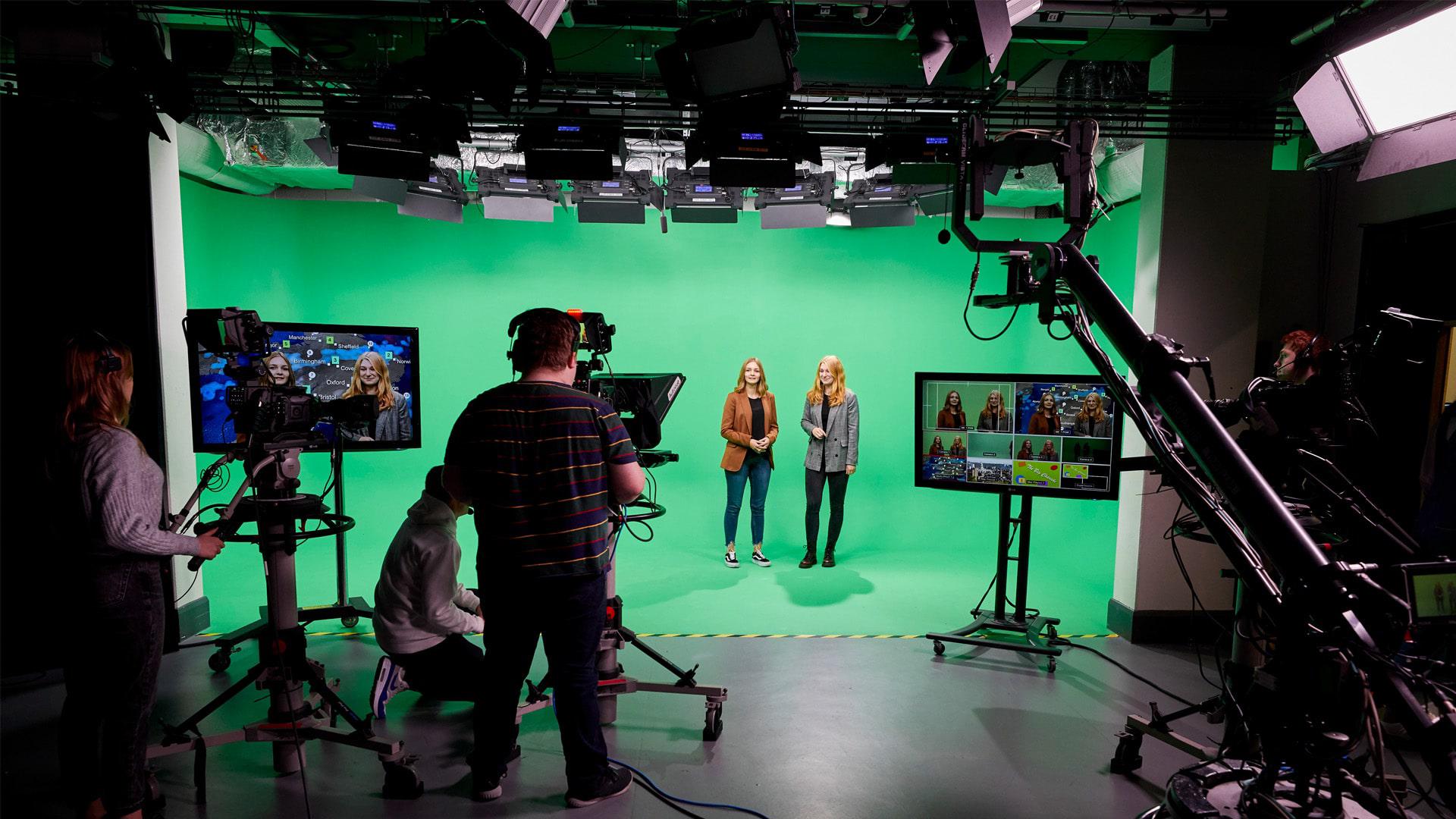
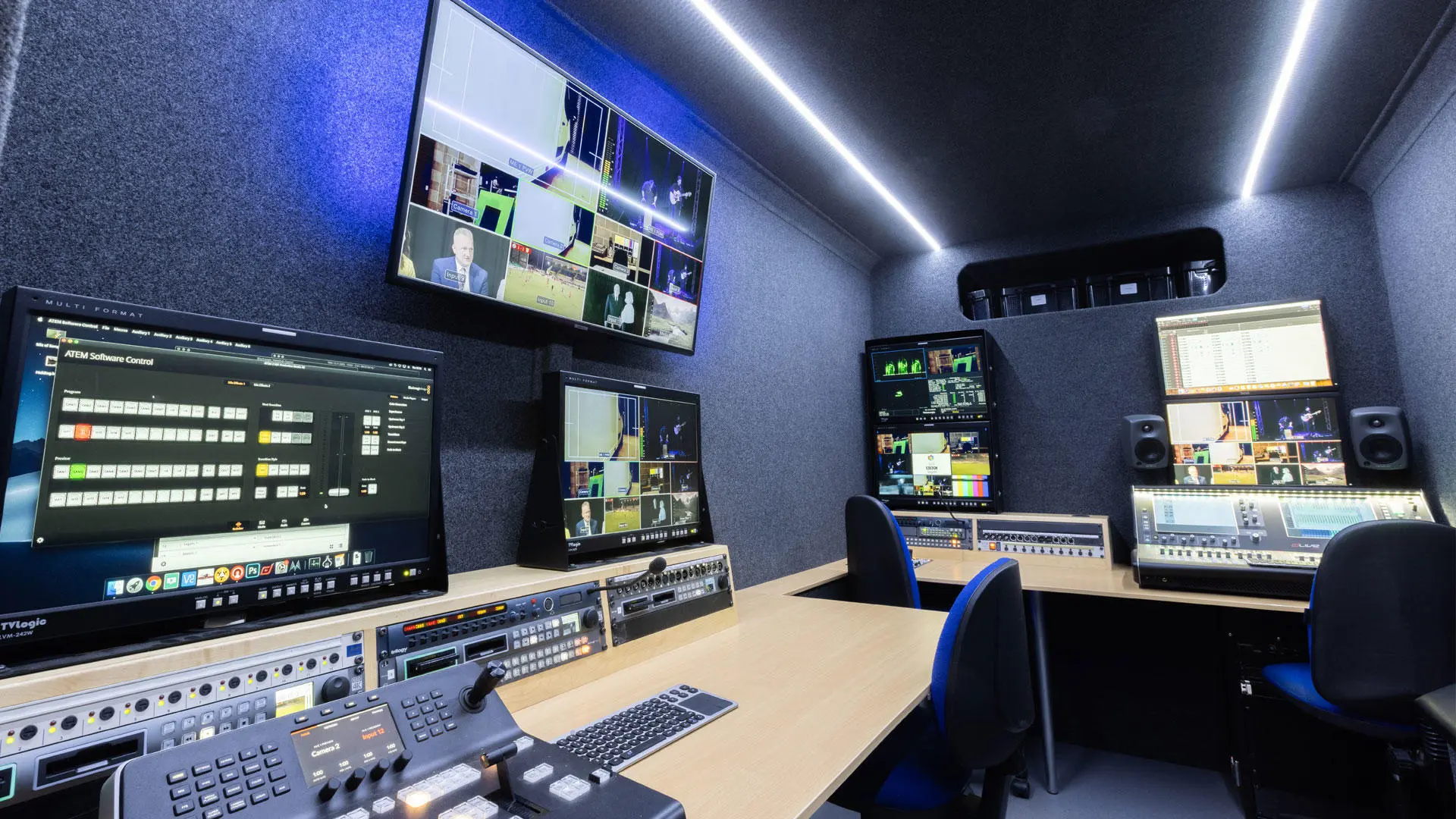
Email: Call:This ScreenSkills-accredited BA (Hons) in Television and Studio Production is where serious television careers begin. You'll train in some of the largest HD television studios in the South of England—including a flagship studio that seats 200 people and runs up to ten cameras simultaneously—while mastering the same professional workflows used by the BBC, ITV, Sky, and major streaming platforms. You'll learn multi-camera studio production, live outside broadcast (OB), factual entertainment, and documentary production through hands-on experience guided by industry practitioners who bring real-world insight directly into your teaching.
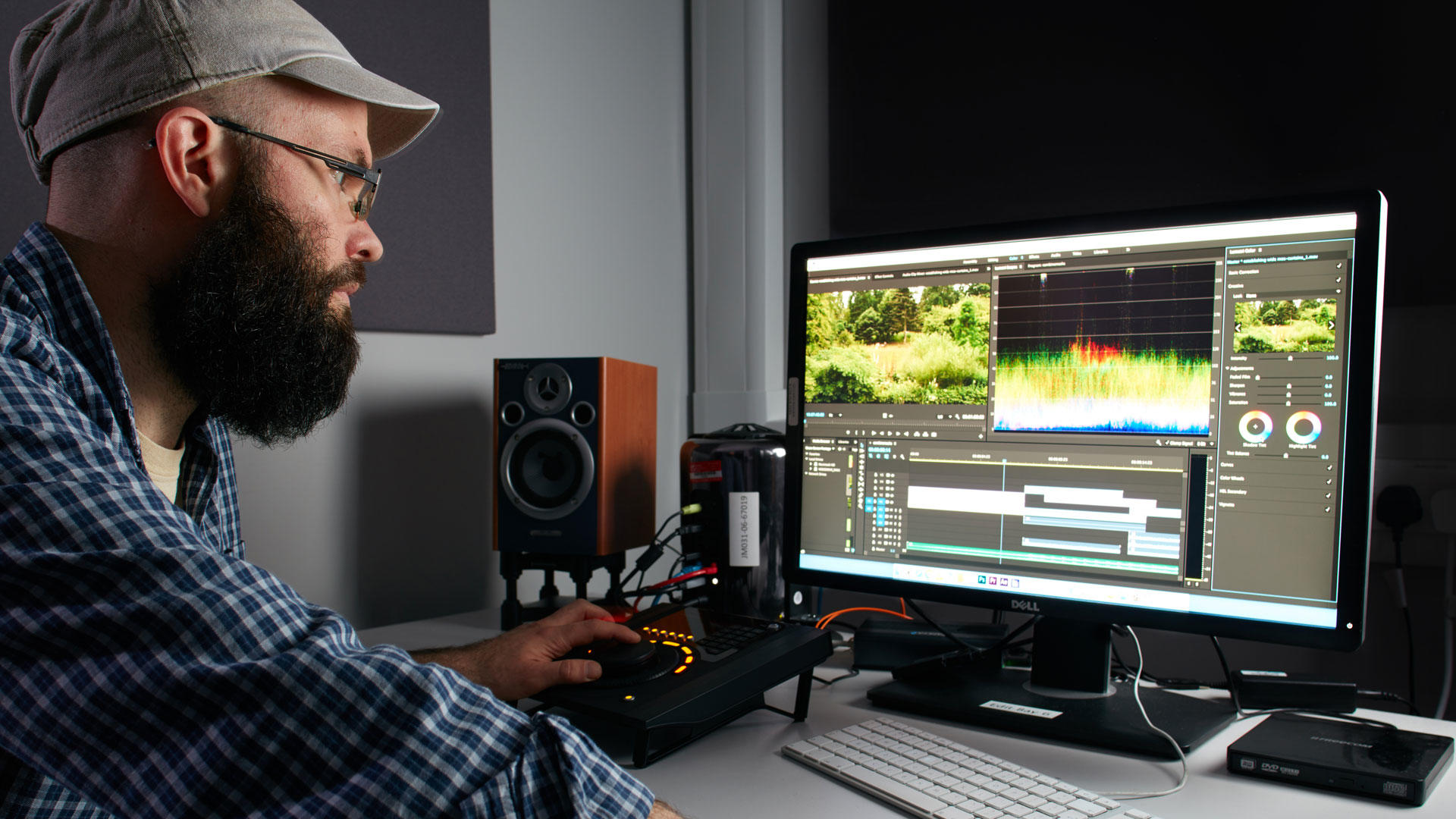
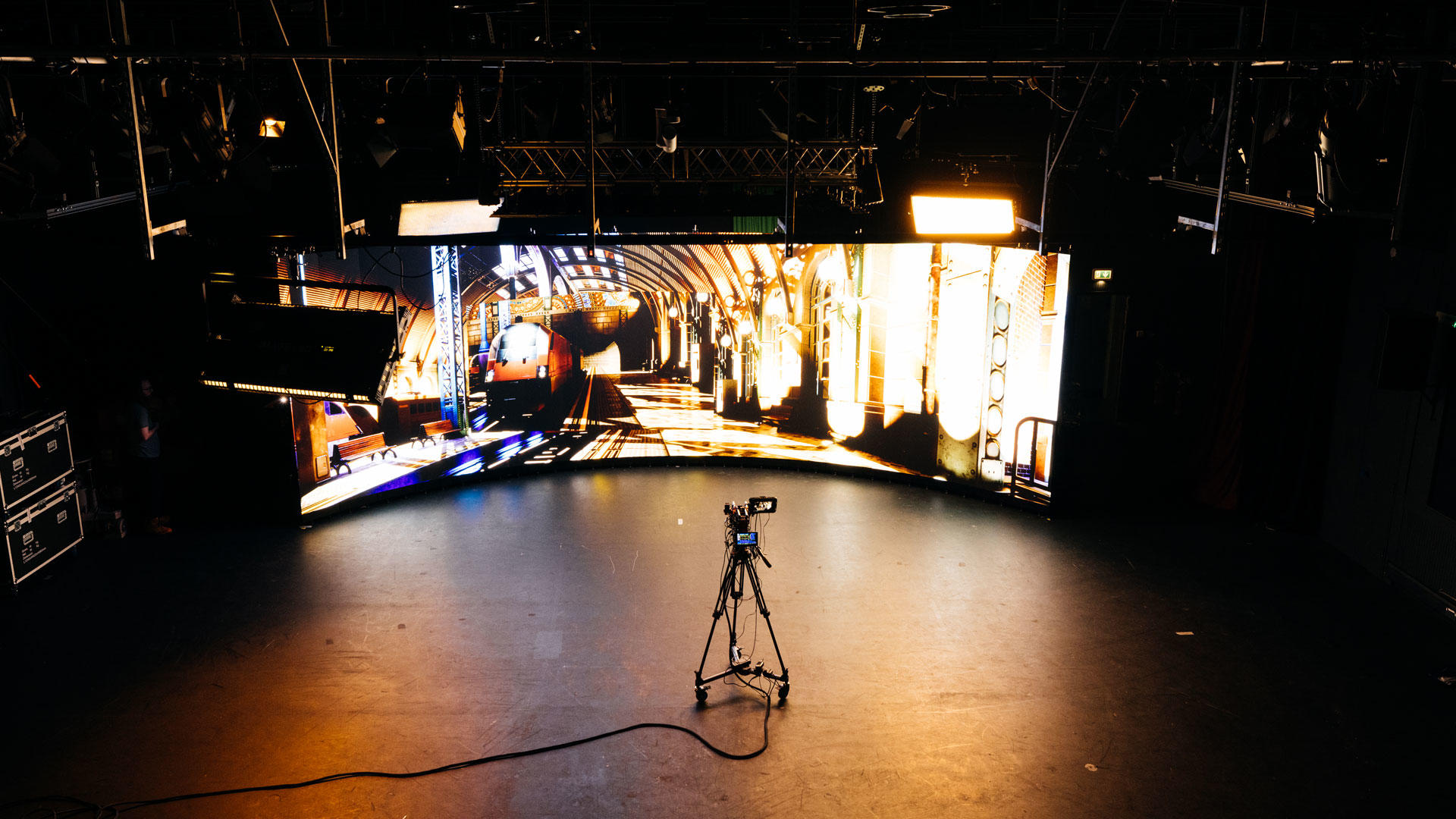
What makes this course extraordinary is the combination of world-class facilities and genuine industry immersion. You'll work with cutting-edge technology including LED volume virtual production screens (used on major productions), professional cameras, fully-equipped outside broadcast vehicles, and over 80 editing suites running industry-standard software. More importantly, you'll gain real professional experience through Solent Productions and Solent TV—our in-house production agencies that function like commercial broadcast companies, giving you paid work experience and professional credits while you study.
Throughout the course, you'll work with real external clients on live briefs—from the BBC and The Royal Television Society to Southampton Football Club and the NHS—building a professional showreel that demonstrates broadcast-ready skills. You'll take on roles that match your interests: studio director, camera operator, vision mixer, floor manager, researcher, producer, or sound engineer, developing the collaborative skills and technical confidence that make our graduates so employable. Every module is designed around authentic professional practice, so when you graduate, you're not just qualified—you're experienced.
Our alumni network spans the industry's biggest names: BBC, Amazon Prime, Sky Sports, Apple TV, Channel 4, ITV, Netflix, and major production companies worldwide. Our graduates enjoy unrivalled success, with their credits appearing on shows such as Strictly Come Dancing, Love Island, Blue Planet, The Repair Shop, Fleabag, Game of Thrones, Avengers: Endgame, The Rise of Skywalker, and 1917.
Our students regularly win award for their work as well. Most recently, in 2025, students were honoured with a ‘Special Award for Outstanding Technical Achievement’ at the 2025 Royal Television Society (RTS) Southern Awards.
With ScreenSkills accreditation, Production Guild membership, unparalleled industry connections, and a teaching team of experienced broadcast professionals, you'll graduate with the portfolio, contacts, and career-ready confidence to walk straight into television production roles—because you've already been doing the work throughout your degree.
If you’re looking to study our television and studio production degree but don’t have the relevant qualifications or experience, the foundation year in media will help you develop the core skills and knowledge to progress. Find out more about the foundation year in media.
Endorsed by:

Certified by:

Accredited by:

Educational partner:

Blackmagic Design

Our creative degrees allow our students to develop a critical eye for design with a knowledge of different design approaches and problem solving techniques. Take a look at some of the great work they produce.




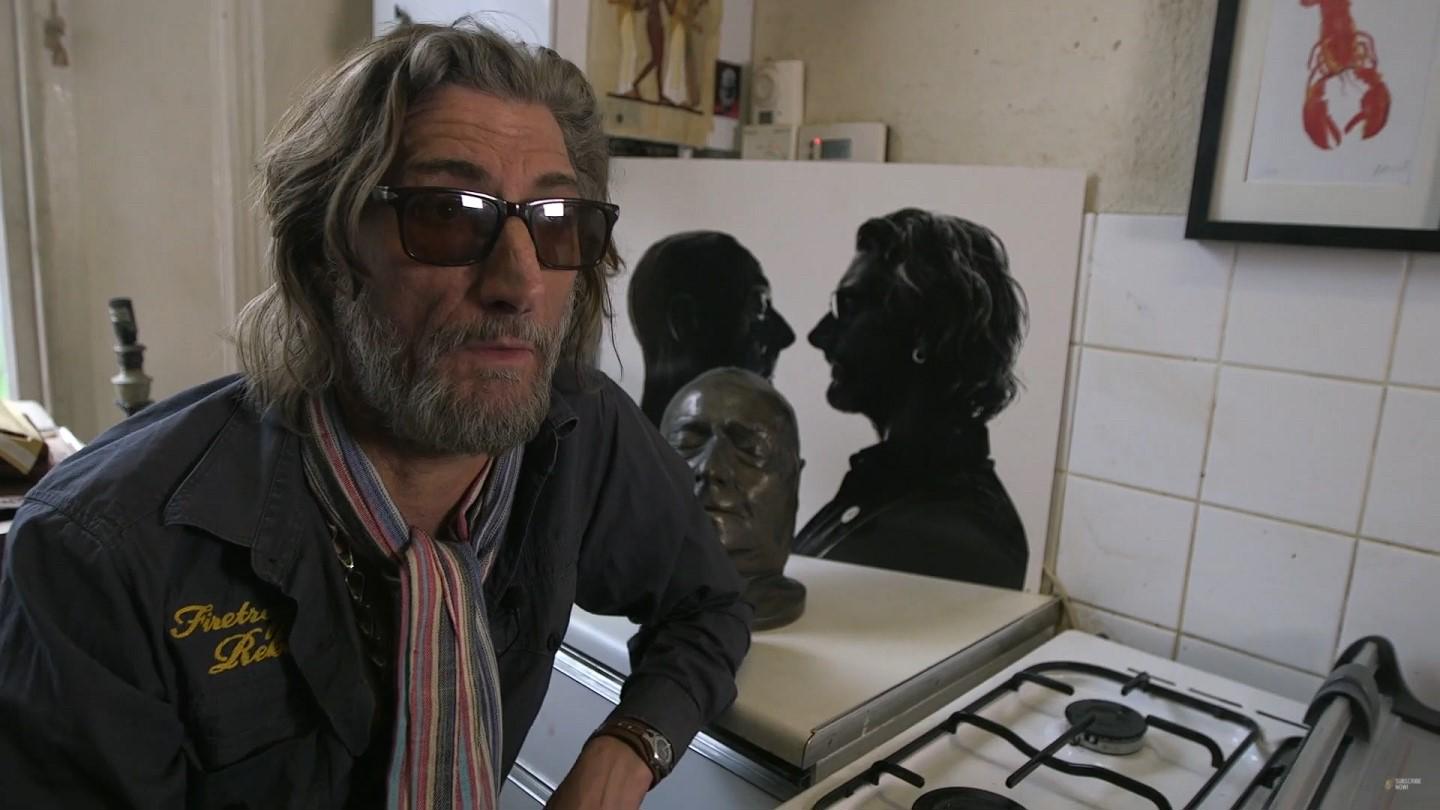
If you're the person who watches live TV and wonders "how did they coordinate all those cameras?", or sees a music festival broadcast and thinks "I want to be in that OB truck" - this course is for you.
Maybe you're already creating content, fascinated by how live television works, or obsessed with the technical choreography of multi-camera productions. Perhaps you love the energy of live events, the creativity of factual entertainment, or the storytelling power of documentary. You might not know yet whether you want to be a studio director, camera operator, or producer - and that's exactly why this course is perfect, because you'll try all these roles before specialising.
This course welcomes ambitious, collaborative students who love the adrenaline of live production and the satisfaction of creating professional broadcast content. You don't need to arrive with years of experience, but you do need energy, curiosity, and the willingness to work in fast-paced, team-based environments where every role matters and split-second decisions create great television.
This degree prepares you for diverse television and broadcast careers. Our graduates work across major broadcasters, streaming platforms, production companies, and as freelance professionals.
Hear from Solent alumni about where their careers have taken them and how studying at Solent prepared them for their future.
Read more stories“Solent's campus was lovely and student life amazing. Meeting new people, bumping into classmates, having lunch together.”
Our course team are all from the television industry, experienced in drama, documentary, reality and entertainment, with credits including the BBC, ITV, BFI, and BAFTA.
The University cannot guarantee any particular members of staff will teach specific aspects of the course in the future, but will endeavour to ensure the teaching team maintains their balance of experience and qualifications.
Students on this course have access to three high-definition TV studios, with the largest capable of seating an audience of 200 people and running up to ten cameras. Television production students will also have access to Solent's 3D Digital Cinema with Dolby Atmos sound, over 80 networked edit workstations, post production sound and colour grading suites, a range of high-end cameras and ancillary equipment – all in HD or 4K, two outside broadcast vehicles.
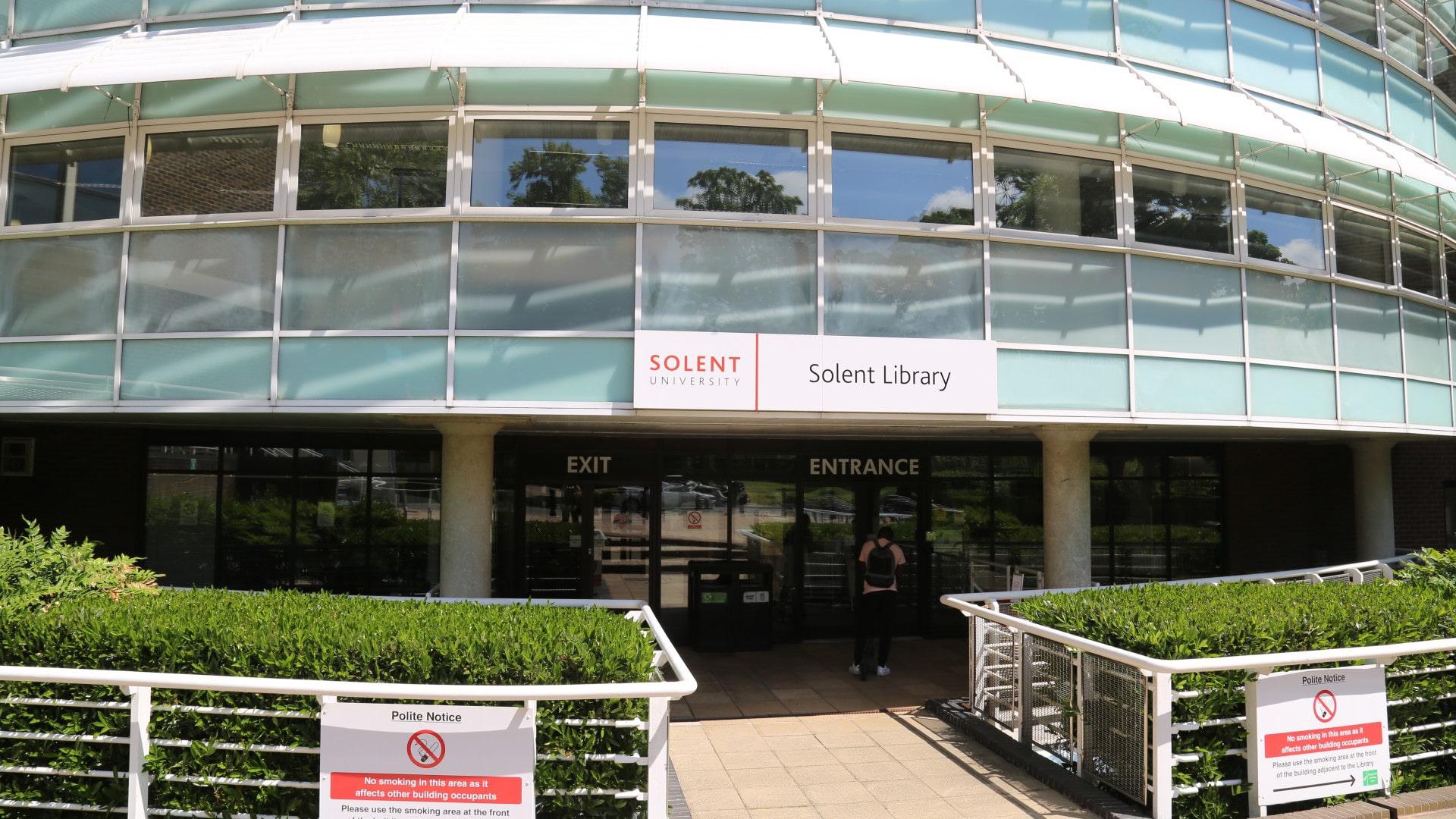
Away from studying, why not try out the gyms, fitness studios and sports halls in our £28 million Sports Complex, or watch a blockbuster film at our student-run cinema with Dolby Atmos audio.
Broaden your horizons by adding an international dimension to your CV – essential to achieving success in today’s fast-changing, global environment.
Studying, working or volunteering in another country could be the experience of a lifetime. Enhance your degree by developing important global skills such as knowledge of other countries, language skills, intercultural awareness, adaptability and confidence.
For more information, please email international.mobility@solent.ac.uk.
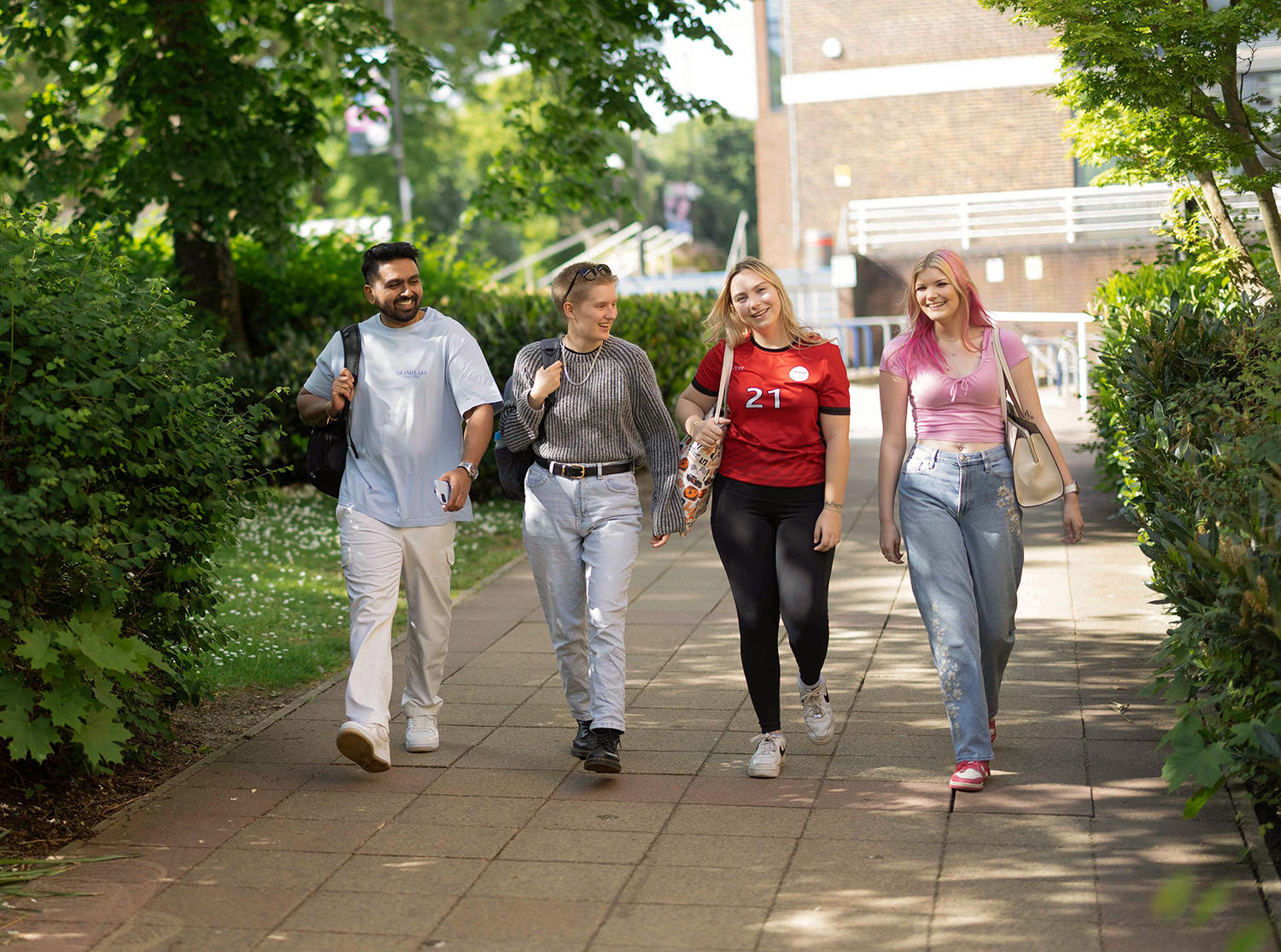
Working in small teams, you'll craft an original 3-5 minute short film from concept to screen, mastering the fundamentals of single camera production that every filmmaker needs to know. Through hands-on practice, you'll learn how to frame the perfect shot, capture compelling sound, direct performances, and edit for maximum impact, while discovering how to tell powerful stories. The module culminates in a film showcase where you'll present your work, explain your creative choices, and respond to audience questions just like filmmakers do at festivals worldwide.
In this module you'll learn to transform raw footage into captivating stories that work across every screen. You'll discover how professional editors use pictures, sound, rhythm, and tension to grip audiences, learning the grammar of editing, including continuity, montage, transitions, and motivated cuts that make stories flow seamlessly. Through hands-on workshops, you'll develop both the technical skills and creative eye needed to assemble compelling sequences, understanding how every cut serves the story.
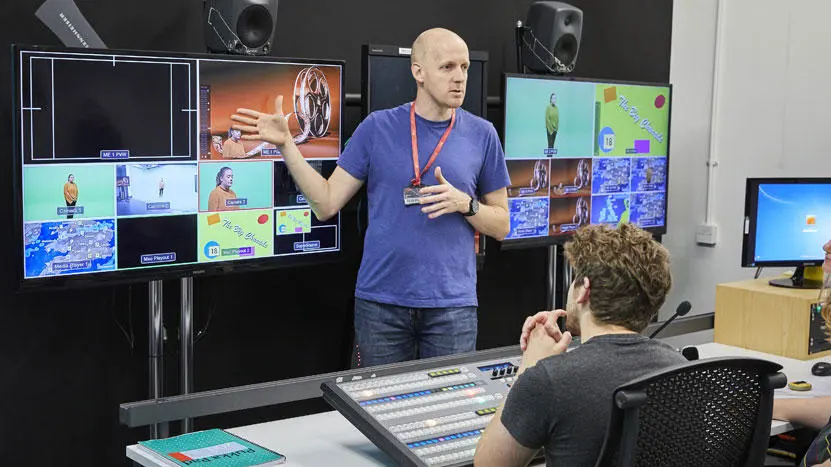
This module will help you understand all that goes on behind the scenes of a TV studio programme. It will happen within the four walls of a television studio, but the skills can be used anywhere. You will learn where to put a camera, the best way to capture sound, how shots are best put together in sequence, how to light, scripting and running shows to time.
This module develops essential research, conceptualisation, and pre-production skills that power factual television across documentary, entertainment, and formatted content. Working to real-world briefs, you'll identify engaging stories and develop them into compelling programme concepts packaged in professionally formatted pitching documents. You'll also conduct research interviews, analyse audience trends, and master translating raw ideas into fully developed proposals ready for production.
In this module you'll work with Solent TV - the University's broadcast channel - as your actual client with real commissioning decisions on the line. You'll respond to authentic briefs, conduct audience research, analyse content trends, and pitch compelling ideas to channel commissioners, just like industry professionals. You'll experience the complete production cycle: pitch your concept, receive client feedback, refine your approach, then collaborate with your production team to deliver broadcast-ready content meeting professional standards and real deadlines.
This module enables you to craft compelling documentaries from concept to screen using industry-standard cameras and equipment. Whether responding to live briefs from industry partners or developing your own original idea, you'll master the complete production cycle and you'll be guided through everything with personalised tutorials focused on your creative vision. Choose your assessment path - produce a documentary with production portfolio or write a critical essay - as you develop the technical skills and analytical frameworks used by today's leading factual filmmakers.
This module is structured around experiential, practical learning in a simulated live broadcast environment. Students will take on a variety of roles found in professional outside broadcast (OB) setups, working both individually and as part of production teams. The focus is on learning by doing, allowing students to apply theoretical knowledge directly in realistic scenarios.
This module levels you up from studio basics to professional broadcaster, mastering the equipment that powers live TV - vision mixers, multi-channel audio desks, studio cameras, camera control units, and teleprompt systems. You'll work through intensive practice productions, building toward your live, multi-camera broadcast with a real 'on air' transmission schedule. You'll also develop the communication, leadership, and professionalism television studios demand, learning to perform independently in specialist roles while coordinating seamlessly with your production crew.
This module transforms you from student to professional, bridging the gap with real-world connections and strategic career planning. Network with industry professionals through informational interviews, guest speaker events, and sector gatherings, and master the skills employers demand through career-focused workshops. Develop your Individual Learning Plan - a strategic roadmap that identifies your unique strengths, maps transferable skills from your studies, recognises growth areas, and charts concrete next steps into your chosen field - then present and defend it, building the professional communication skills essential for pitches, interviews, and industry meetings.
In this module you'll develop and produce your own studio series from concept to screen. You'll analyse what makes successful studio programming work, deconstructing formats to understand series development, repeatability, and sustained audience engagement. Then put your knowledge into practice by collaborating with your production team to create, pitch, and produce a complete set of episodes demonstrating your original format across multiple broadcasts. You'll also take on specialised production roles throughout the series cycle - from designing visual identities and advanced lighting setups to directing complex gallery operations and managing multi-episode workflows.
This module is where your final major project truly begins - whether you're preparing a dissertation, screenplay, film/television production, or screen criticism portfolio. Master professional research methodologies through workshop-based seminars, learning to evaluate primary and secondary sources, map the critical field of your subject, and identify gaps in existing knowledge or the market that your project will address. Consider contemporary cultural issues, and engage with screen representations that inspire your unique response, developing your project and crafting a compelling rationale with a detailed plan that gives you confidence and direction.
The Final Major Project enables you to produce one extraordinary, defining piece of work that's entirely yours. Choose your path - create a compelling short film, write a competition-ready screenplay, produce an academic dissertation, or build a professional screen criticism portfolio. You'll pitch your idea, manage your timeline, navigate real challenges, and present your progress with supervisors acting as critical friends throughout your journey. This isn't just coursework - it's authentic industry practice that develops the independence, resilience, and project management skills employers and graduate programmes actively seek.
Contact international admissions
Email: Call:As part of this course, you will study one module at a time, giving you the chance to build a deeper understanding and see the results of your hard work more quickly. With regular assessments and feedback, rather than exams all at once, you’ll also benefit from improved focus, and a more manageable workload.
Learn more about block teaching
The student achievement team are on hand to help you succeed during your studies at Solent. They aim to contact you at key times during your time here with personalised information, advice and guidance, by email or phone.
The disability advice team provides information, advice and guidance for disabled students.
All students can access Succeed@Solent, Solent's online guide to getting better grades. It offers extensive, practical information and advice on topics such as academic writing, research and presentations.
UK broadcasters like the BBC, ITV, Sky, and Channel 4 continue investing heavily in studio-based entertainment, factual programming, and live events, while streaming giants like Netflix, Amazon Prime, Disney+, and Apple TV are commissioning more UK-originated content than ever. The UK creative industries contribute over £116 billion annually to the economy, with television production experiencing sustained growth across traditional broadcast, streaming platforms, and live events coverage.
But here's what makes television and studio production careers particularly exciting: they're dynamic, diverse, and technically challenging. Every live broadcast—whether it's a music festival, sports event, entertainment show, or news programme—requires skilled professionals who can coordinate multiple cameras, manage complex audio, make real-time creative decisions, and deliver flawless output under pressure. These skills are in constant demand because live content cannot be faked—it requires genuine expertise, professional training, and experience working in real production environments.
The industry is also evolving rapidly. Virtual production technologies (like the LED volumes used on The Mandalorian and The Batman) are transforming studio workflows. Outside broadcast is expanding beyond traditional sports into music festivals, esports, and live streaming. Factual entertainment is booming on streaming platforms. And the shift toward hybrid broadcast models means production professionals who understand both traditional studio workflows and digital distribution are exceptionally valuable.
Average freelance day rates: £120 to £400
Freelance rates may vary depending on the type of production and your experience. Salaries in permanent positions start at around £21,000, rising to £45,000 for senior floor managers.
Minimum hourly pay rates: £11.95 to £16.70
Hourly rates will vary depending on the type of production. Recommended minimum daily rates range from £133 for short films, to £212 for commercials. Rates are recommended by BECTU.
Camera assistant day rate: £230 to £360
For studio camera operators, the BECTU recommended day rate is £325 for 9 hours and £415 for 11 hours. All rates will vary, depending on the type of production.
The stated salaries are published on prospects.ac.uk. Income figures are intended as a guide only.
Hear from Solent alumni about where their careers have taken them and how studying at Solent prepared them for their future.
Read more stories“Solent's campus was lovely and student life amazing. Meeting new people, bumping into classmates, having lunch together.”
The Solent Careers team is committed to getting students into great careers.
While you are studying, the team can help you with finding work experience or placements, link you with a mentor, check your CV, or offer one-to-one guidance.
We also have graduate job opportunities just for Solent graduates.

Top 25%
of UK unis for sustained employment
Longitudinal Educational Outcomes, 2025
Every student at Solent University will also have the option to study an additional Certificate in Practical Artificial Intelligence qualification alongside their course. Free of charge, the course ensures you'll be prepared for a fantastic and varied career after graduation.

Thinking about studying further than an undergraduate degree? Alumni can get 20% off their postgraduate study.

Got a passion for filmmaking? Want to improve your professional showreel and boost your employability? Solent’s MA Film Production programme is ideally suited to students who...
Find out more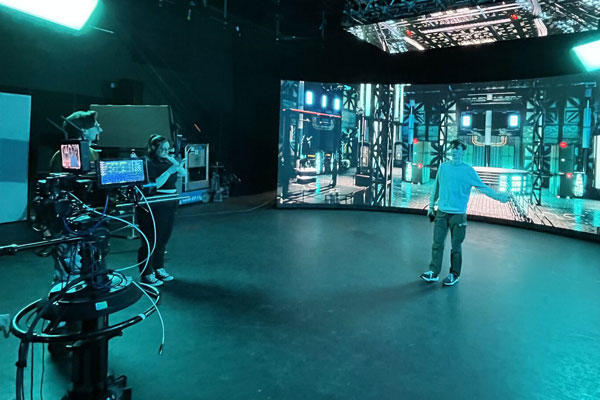
Explore, experiment and learn the industry skills to become a trailblazer in virtual production (VP) and extended reality (XR) using Solent's VP volume, XR green screen studio, Vicon mocap, and body scanner.
Find out more
Bring your sports knowledge to radio, the internet or television screens for an exciting career in sports journalism.
Find out moreThe tuition fees for the 2027/28 academic year are not yet available. For guidance, the 2026/27 fees were:
For further information, please visit our tuition fees page.
While most course costs are covered by your tuition fees, some essential resources and optional extras may need to be paid for separately. These additional costs are listed below. For advice on budgeting and managing your money, please contact student.funding@solent.ac.uk.
The additional costs for this academic year are not yet available. For guidance, previous additional costs have been:
It is recommended all students have a TV Licence.
Compulsory costs
Students may be required to self-finance up to £300 for their final major project film or TV productions. Students choosing to raise a budget for their productions are encouraged to crowdfund and seek advice from project supervisors on budgetary matters where applicable. Financial assistance is available for students facing financial difficulties and will be determined based on their individual situation through an eligibility assessment.
Optional costs
The course features optional trips to international film festivals. These trips are subject to student demand. Prices will be dependent on the location of the trip as well as the travel and accommodation costs at the time of booking.
Solent University offers a range of bursaries and scholarships that provide financial assistance or waive fees for tuition or accommodation. Each bursary or scholarship has specific eligibility criteria. Check out our bursaries and scholarships pages to find out more.
Cost of living support
At Solent, we understand that the cost of living crisis may be of some concern. To help, we've put together some detailed information to show what support is available and how to make your money go further.
Graduation costs
There is no charge to attend graduation, but you will be required to pay for the rental of your academic gown (approximately £45 per graduate, depending on your award). You may also wish to purchase official photography packages, which range in price from £15 to £200+. Graduation is not compulsory, so if you prefer to have your award sent to you, there is no cost. Extra guest tickets will go on sale after results publication and will be sold on a first-come-first-served basis. The cost per ticket is currently £20. Please note, we do not guarantee there will be any extra tickets available to purchase.
Contact international admissions
Email: Call:Please select an option below:
As a general guide, we look for qualifications that are equivalent to the British high school A-levels.
Applicants from outside the UK will be required to attend an interview over Teams or Zoom.
If you are applying from outside the UK, find information about entry requirements, visas and agents for your country here.
For further information about UK, EU and international qualifications, please see our course entry requirements document.
For international students who do not meet the direct entry requirements for this undergraduate degree, our trusted partner, QA Higher Education offers the following pathway programme designed to develop your academic and English language skills:
As a general guide, we look for qualifications that are equivalent to the British high school A-levels.
Applicants from outside the UK will be required to attend an interview over Teams or Zoom.
If you are applying from outside the UK, find information about entry requirements, visas and agents for your country here.
For further information about UK, EU and international qualifications, please see our course entry requirements document.
For international students who do not meet the direct entry requirements for this undergraduate degree, our trusted partner, QA Higher Education offers the following pathway programme designed to develop your academic and English language skills:
All international applicants need to be aware that the English language requirements to attend Solent University, and the English language requirements to obtain a visa from the Home Office, may be different. This means that if you meet the Solent University language requirement to gain a place on the course, you may still have to meet additional requirements to be granted with a visa by the Home Office.
We strongly advise all applicants to visit the Home Office website which outlines all the requirements for a successful visa application.
Full-time
Any student applying for the first year of a full-time/sandwich undergraduate course must apply through UCAS (University and Colleges Admissions Service). This includes mature, overseas and EU students.
Nearly all schools and colleges offer their students the facility of applying electronically through the UCAS website using 'Apply'; it may also be used by those applying independently in the UK and overseas. This facility and all course information can be found on the UCAS website: www.ucas.com.
Your application should reach UCAS by 14 January if you hope to enter a course the following autumn. Early application is advised for the most popular subject areas. Late applications may be made until the end of June. The UCAS Code for the University is S30, code name SOLNT.
Find out what happens after you apply
Contextual offers
Solent endeavours to offer learning opportunities to students from all backgrounds. When we receive and review an application, we take into consideration the context and personal circumstances of applicants when making a decision, which means our advertised entry tariff could be reduced.
Find out more about Solent's contextual offers
Top-up route:
We welcome applications from students currently studying a Foundation Degree, DipHE, HNC, HND or modules of an undergraduate degree course at another university, who wish to enter directly into Years 2 or 3 of one of our undergraduate degree courses. Please contact our admissions team for more information: contact us
Applicants who do not have English as their first language will be required to demonstrate an approved level of proficiency in the use of the English language. The agreed minimum requirements for this course are:
TOEFL IBT tests taken prior to 21 January 2026
TOEFL IBT tests taken from 21 January 2026
Qualifications are checked before enrolment, and international students must bring their original certificates or certified copies when coming to study at the University.
Pre-Sessional English programme
The University also offers a pre-sessional English programme for international students who wish to improve their level of English before starting a degree course.
Contact international admissions
Email: Call: