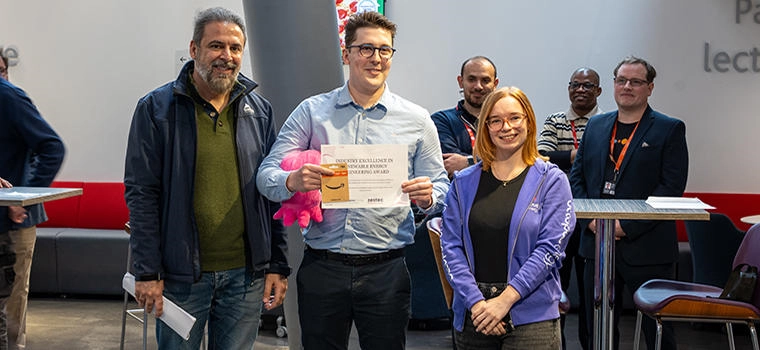
“Solent let me build on my background, blending practical engineering with academic study and a focus on renewables.”



Be at the forefront of energy technology and shape the future of the next generation. Apply your engineering skills to develop efficient uses of valuable global resources.
Contact international admissions
Email: Call:The energy sector is a fast-growing industry with enormous potential in the short and long term. From renewable energy generation to the efficient use of energy in engineering systems such as cars, the engineering industry will require engineers with expertise in the environmentally friendly generation, distribution and efficient use of energy. This renewable energy engineering course will equip you with key engineering skills and knowledge to start your career in this area.
Energy is now a very valuable resource. Shifts in world attitudes to the use of fossil fuels driven by global warming and climate change has meant a change in emphasis to renewable sources of energy. In conjunction, there is a far greater effort to measure the energy efficiency of systems, products and buildings to ensure that operational costs are minimised and both environmental and financial savings are maximised.
Clean power generation is only part of the challenge - the engineering industry is facing an additional challenge to maximise the efficient use of energy whilst reducing reliance on fossil fuels. Government strategy and climate change action have meant that energy is more valued than ever.
This course aims to provide well-trained graduates with the skills and knowledge to work towards addressing these issues. Using a mix of classroom and specialist laboratory facilities, this course will give you a strong grounding in science and engineering theory, with an emphasis on renewable power generation methods, environmental impact, and the efficient use of energy in engineering and technology.
The first year of this course is shared with our other engineering degrees - you'll have opportunity to develop sound underpinning science and engineering skills in mathematics, mechanics, electrics, manufacturing, CAD and design processes, and professional skills. The second and third years of the course enable you to explore concepts in renewable energy, distribution of energy, and the efficient use of energy in engineering systems. This is complemented by additional work on the lightweight structures used in renewable energy technology and vehicle technology.
If you’re looking to study our mechanical engineering degree but don’t have the relevant qualifications or experience, the STEM foundation year will help you develop the core skills and knowledge to progress. Find out more about the STEM foundation year.
This course is also offered on a one-day-per-week part-time study basis for professional CPD, aimed at applicants already in employment. Applicants holding a relevant HNC qualification would normally be considered for entry on to year three of the six-year part-time course.
This course is part of the South Coast Institute of Technology (IoT), a partnership of colleges, universities and industry-leading employers to create new career opportunities in the technology sector. IoT courses like this one are precisely tailored to the needs of employers in the maritime, engineering and digital industries – industries which are hungry for talented new engineers, technologists, technicians and creatives like you.
Accredited by:
Part of:

This course will suit those with a strong interest in engineering and environmental science, who wish to pursue a career in the fast-growing renewable energy sector.
Graduates will be well prepared for both STEM, general engineering and renewable engineering industries, and any branch of engineering which includes the efficient use of energy.
Hear from Solent alumni about where their careers have taken them and how studying at Solent prepared them for their future.
“Solent let me build on my background, blending practical engineering with academic study and a focus on renewables.”
The University cannot guarantee any particular members of staff will teach specific aspects of the course in the future, but will endeavour to ensure the teaching team maintains their balance of experience and qualifications.
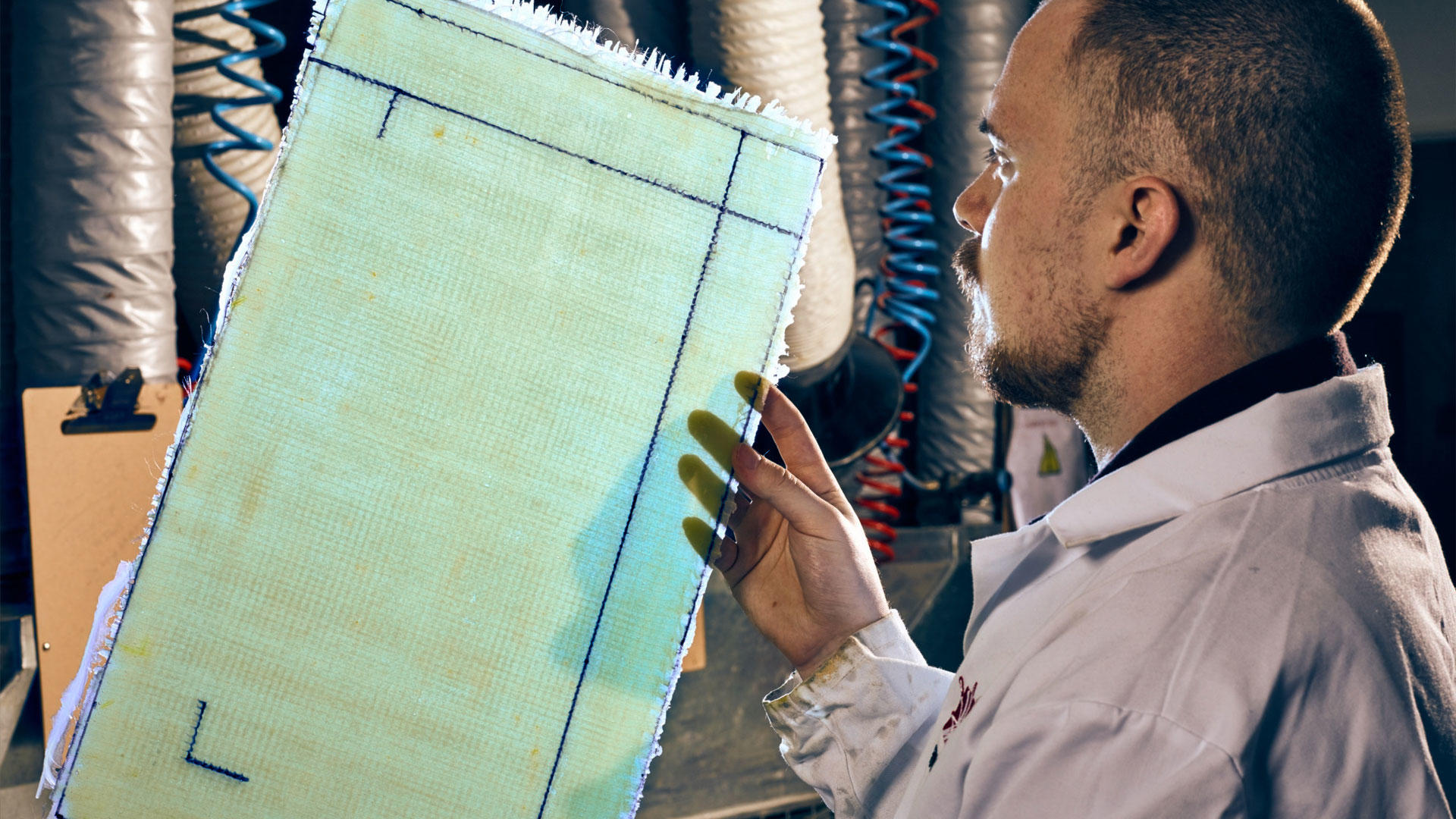
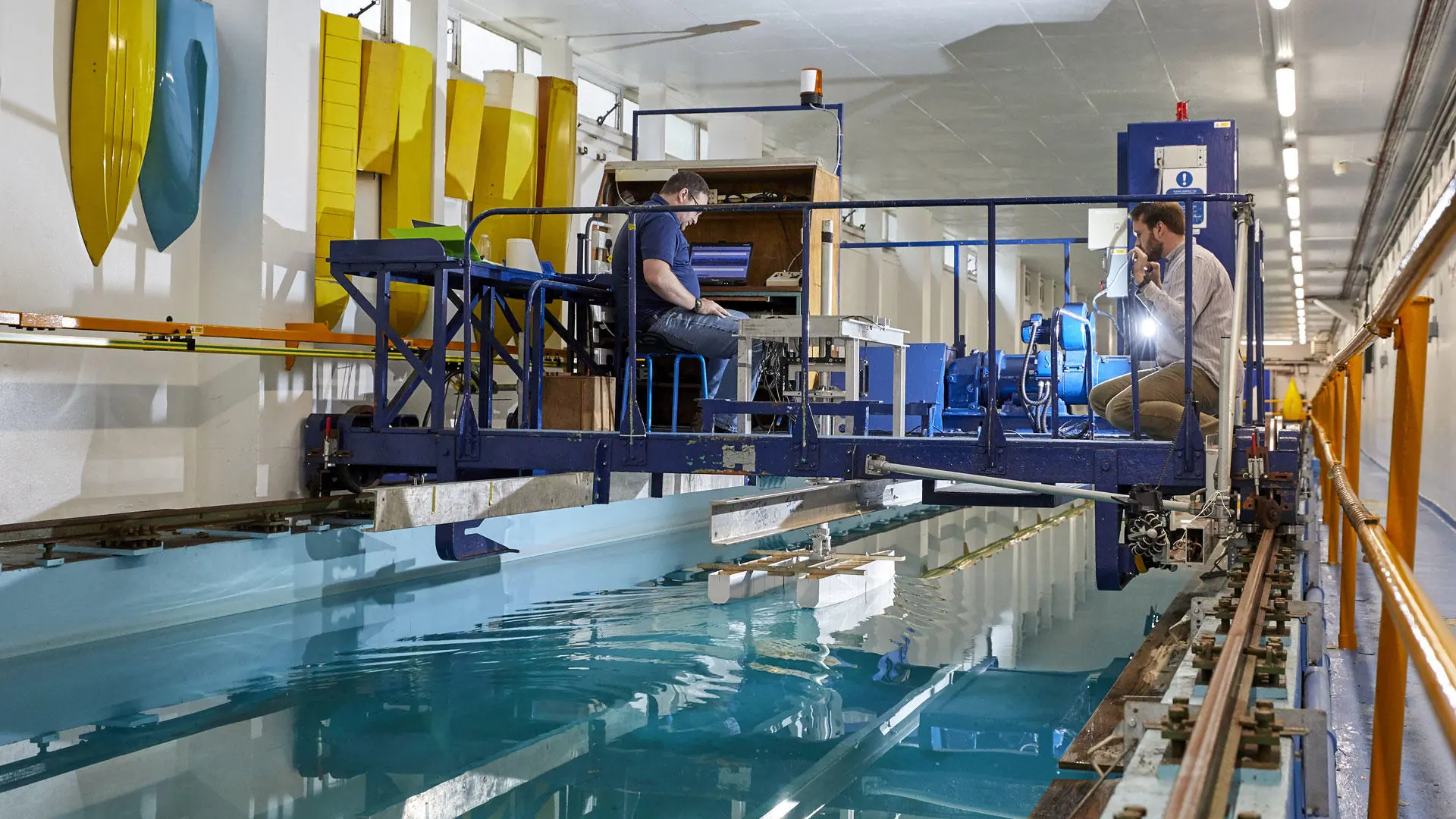
To aid study, students have access to our specialist facilities, including a 60m towing tank for wave generation and tidal turbine use; composite materials laboratory for construction of lightweight structures; and our materials testing laboratory.
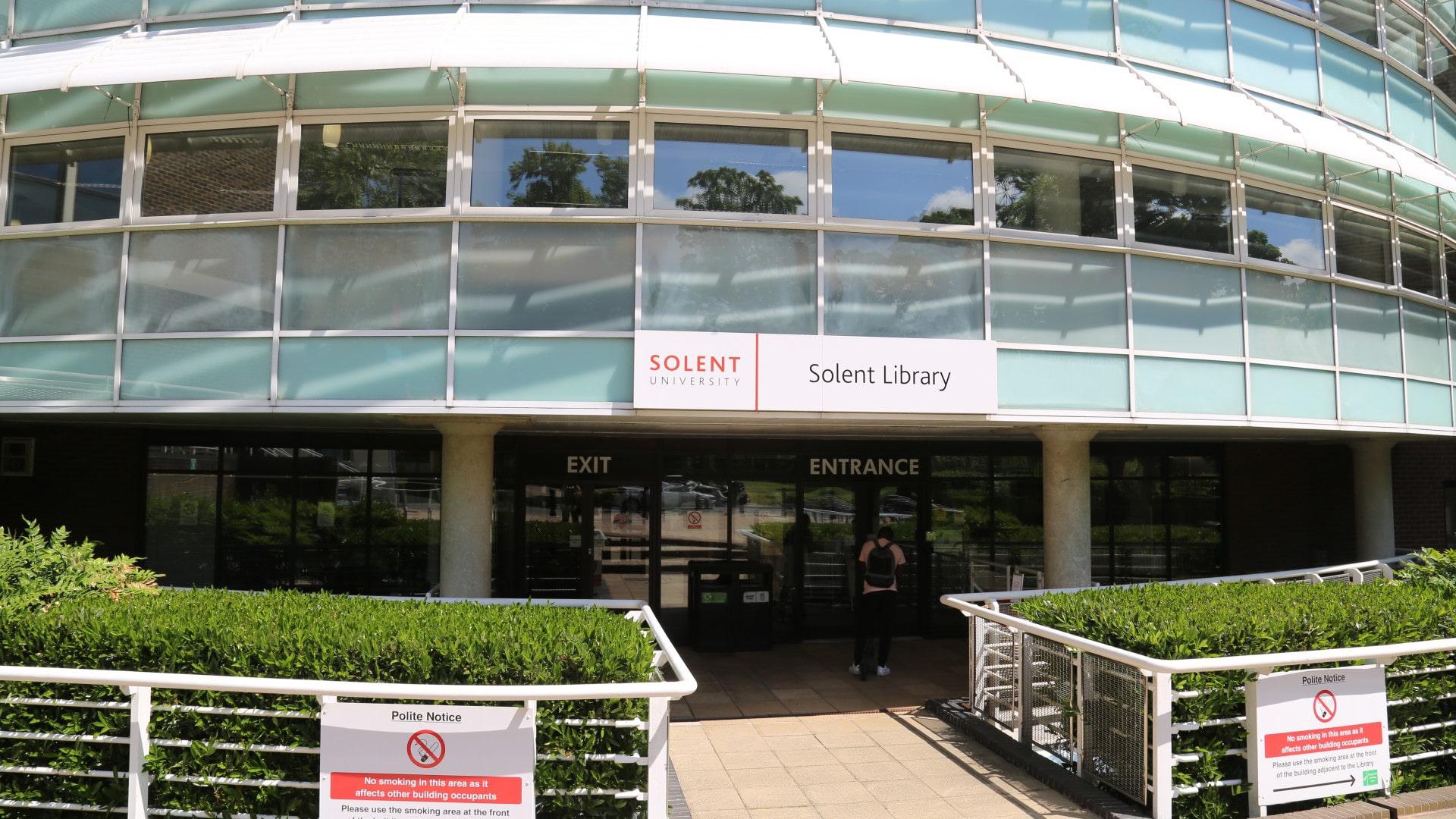
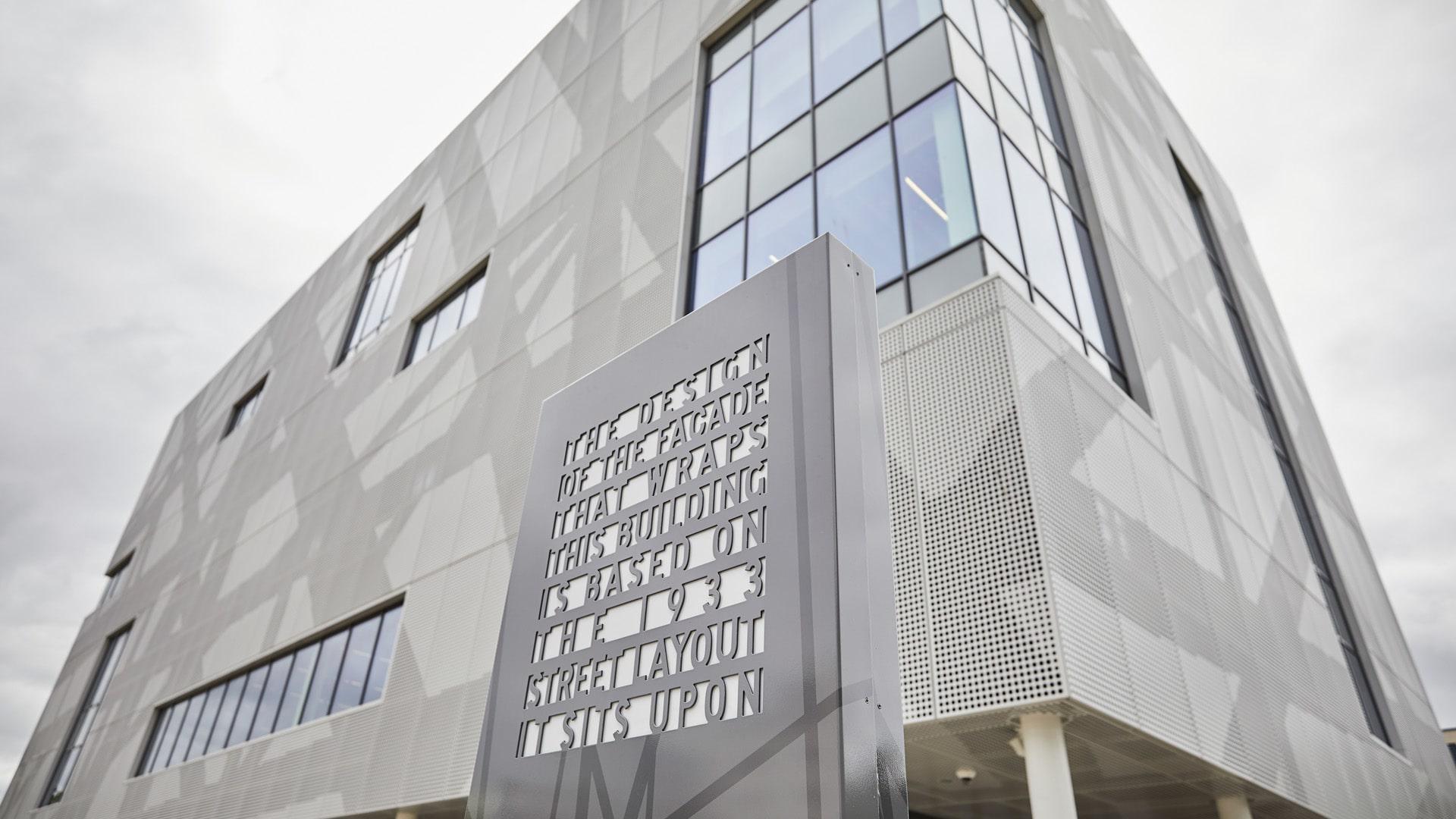
Our vibrant campus brings state-of-the-art facilities to enhance your learning and elevate your student experience. Our award-winning teaching building, The Spark is centred around students and offers a stimulating study environment with flexible learning spaces. Away from studying, why not try out the gyms, fitness studios and sports halls in our £28 million Sports Complex, or watch a blockbuster film at our student-run cinema with Dolby Atmos audio.
Broaden your horizons by adding an international dimension to your CV – essential to achieving success in today’s fast-changing, global environment.
Studying, working or volunteering in another country could be the experience of a lifetime. Enhance your degree by developing important global skills such as knowledge of other countries, language skills, intercultural awareness, adaptability and confidence.
For more information, please email international.mobility@solent.ac.uk.
This module introduces you to essential mathematics, electronic principles, and mechanical principles that underpin engineering systems. You'll develop skills in key areas of electronics and mechanics, along with the mathematical expertise required to analyse and solve engineering problems. You'll also gain practical skills enabling you to design, debug and verify electronic circuits including the use of simulation tools and further mechanical practical work will enable you to see engineering principles in action.
Engineering design and manufacture are the two most important and interlinked product development stages in the product life cycle. A correct design informed by manufacturing knowledge/constraints will result in few problems at later life cycle stages of the product. In this module, you'll gain an understanding of the fundamentals of the engineering design, and conventional and advanced manufacturing processes. You'll then apply this understanding by demonstrating practical computer-aided design and workshop skills to model and manufacture components.
Being an engineer is more than a job description or title – it is a profession with published standards, skills, ethical expectations, and regulatory structures. This includes theoretical, professional and applied skills relating to the role of the professional engineer. In this module you will develop your practical research, communication skills, and confidence through participation in a diverse range of activities and working in teams.
In this module you'll build a solid foundation in mechanical engineering principles supported by essential applied mathematics, enabling you to analyse and interpret engineering systems using appropriate mathematical tools. A strong focus is placed on practical, hands-on learning through laboratory activities, helping you to connect theoretical concepts with real engineering applications while developing analytical thinking, problem-solving, and engineering judgement.
This module investigates how the industry can achieve sustainable outcomes during the design, construction, operation and end of life of a project. It will achieve this by examining the concepts and principles underlying sustainability and Life Cycle Assessment and allowing you to apply them to real-world examples.
This module introduces key renewable energy technologies, focusing on solar, wind, wave and tidal energy systems. It begins by developing fundamental thermodynamic, aerodynamic and hydrodynamic principles relevant to energy conversion from natural resources. You will explore how solar energy can be harnessed in different forms, alongside the principles of wave theory and energy extraction from marine environments. You'll also examines wind and tidal energy, highlighting both shared characteristics, such as turbine-based systems, and their distinct operational challenges. Building on this foundation, you'll analyse the engineering processes involved in efficient energy recovery and system design.
This module develops your capability to apply engineering principles to the design, analysis, and integration of robotics and automation systems. Working in multidisciplinary teams, you'll work together to tackle a complex engineering challenge, naturally creating a systems engineering approach. Using the robotics facilities, 3D printing and materials testing, teams design, model, build, and test an integrated product and each member will be assessed through an individual discipline-specific report, as well as a group demonstration, and poster presentation.
This module introduces the business context in which engineers operate, combining enterprise, marketing, competition, and the commercial side. You will learn to apply knowledge of engineering management principles and commercial context, including project management and relevant legal matters, such as contracts and intellectual property rights. You'll also develop skills in identifying and analysing ethical concerns in engineering business practice and making reasoned ethical choices informed by professional codes of conduct.
This module introduces the key principles of power storage, distribution and grid technologies essential to renewable energy systems, and you'll develop an understanding of electrical power generation and grid technologies, including conventional systems as support for renewable integration, alongside modern distribution concepts such as smart grids. You will explore a range of energy storage technologies, including current and emerging battery systems at domestic and utility scales, as well as alternative storage methods such as hydroelectric, gravitational, mechanical and thermal energy storage.
In this module you'll develop your ability to analyse energy conversion systems using fundamental engineering principles, while promoting efficient energy use across multiple sectors. You'll be introduced to energy conversion technologies, including biomass and fossil fuel systems, alongside demand-side management and energy optimisation strategies. The module emphasises system-level thinking, enabling you to design integrated energy solutions that meet performance, regulatory and stakeholder requirements.
In this module you'll develop your ability to analyse, evaluate, and improve operational processes, to be able to make informed decisions that enhance performance and deliver value. You will explore the principles of systems thinking and continuous improvement, including Lean methodologies, and apply a range of tools and techniques to identify inefficiencies and eliminate waste. Through both theoretical study and practical application, you will develop the capability to map, analyse, and redesign processes within real-world contexts.
You will choose your own project topic and take full ownership of all project activity. You will critically evaluate technical literature to define and scope your engineering problem, apply mathematical and engineering analysis to reach substantiated conclusions, and consider the environmental and societal impact of their proposed solution. You'll also demonstrate project management and awareness of intellectual property, communicate your work to technical and non-technical audiences, and plan and record your professional development.
Contact international admissions
Email: Call:As part of this course, you will study one module at a time, giving you the chance to build a deeper understanding and see the results of your hard work more quickly. With regular assessments and feedback, rather than exams all at once, you’ll also benefit from improved focus, and a more manageable workload.
Learn more about block teaching
The student achievement team are on hand to help you succeed during your studies at Solent. They aim to contact you at key times during your time here with personalised information, advice and guidance, by email or phone.
The disability advice team provides information, advice and guidance for disabled students.
All students can access Succeed@Solent, Solent's online guide to getting better grades. It offers extensive, practical information and advice on topics such as academic writing, research and presentations.
The renewable energy and sustainable engineering industries are growing, thanks to international requirements to combat climate change and greenhouse gases. Drivers such as the financial and environmental cost of energy are also resulting in a new emphasis in the efficient use of energy, from state-of-the-art racing cars, to road cars, to plant and machinery. Developments in renewable energy in wind, wave and tidal energy alone are expected to create tens of thousands of new jobs in the next decades.
The UK is geographically placed to gain particular benefit from renewable energy, and as such the industry has developed in the UK. Currently in the UK there are almost 11,500 wind turbines - 8,827 operational onshore turbines, and a further 2,652 offshore turbines demonstrating the scale of this growing industry.

Starting salary: £18,000 to £28,000
Experienced engineers can earn between £28,000 and £45,000. Salaries for project engineering managers or chartered engineers typically range from £40,000 to £60,000 or more.
Starting salary: £25,000 to £35,000
With experience, you could earn a salary in the range of £35,000 to £60,000.
The stated salaries are published on prospects.ac.uk. Income figures are intended as a guide only.
Hear from Solent alumni about where their careers have taken them and how studying at Solent prepared them for their future.
“Solent let me build on my background, blending practical engineering with academic study and a focus on renewables.”
The Solent Careers team is committed to getting students into great careers.
While you are studying, the team can help you with finding work experience or placements, link you with a mentor, check your CV, or offer one-to-one guidance.
We also have graduate job opportunities just for Solent graduates.

Top 25%
of UK unis for sustained employment
Longitudinal Educational Outcomes, 2025
Every student at Solent University will also have the option to study an additional Certificate in Practical Artificial Intelligence qualification alongside their course. Free of charge, the course ensures you'll be prepared for a fantastic and varied career after graduation.

Thinking about studying further than an undergraduate degree? Alumni can get 20% off their postgraduate study.

Take your career to the next level with our professional course accredited by the Association for Project Management. Dive deep into the methodologies, techniques, and processes of project management.
Find out moreThe tuition fees for the 2027/28 academic year are not yet available. For guidance, the 2026/27 fees were:
For further information, please visit our tuition fees page.
While most course costs are covered by your tuition fees, some essential resources and optional extras may need to be paid for separately. For advice on budgeting and managing your money, please contact student.funding@solent.ac.uk.
The 2026/27 additional costs are not yet available. For guidance, previous additional costs have been:
Optional costs
Solent University offers a range of bursaries and scholarships that provide financial assistance or waive fees for tuition or accommodation. Each bursary or scholarship has specific eligibility criteria. Check out our bursaries and scholarships pages to find out more.
Cost of living support
At Solent, we understand that the cost of living crisis may be of some concern. To help, we've put together some detailed information to show what support is available and how to make your money go further.
Graduation costs
There is no charge to attend graduation, but you will be required to pay for the rental of your academic gown (approximately £45 per graduate, depending on your award). You may also wish to purchase official photography packages, which range in price from £15 to £200+. Graduation is not compulsory, so if you prefer to have your award sent to you, there is no cost. Extra guest tickets will go on sale after results publication and will be sold on a first-come-first-served basis. The cost per ticket is currently £20. Please note, we do not guarantee there will be any extra tickets available to purchase.
Contact international admissions
Email: Call:Please select an option below:
As a general guide, we look for qualifications that are equivalent to the British high school A-levels.
If you are applying from outside the UK, find information about entry requirements, visas and agents for your country here.
For further information about EU qualifications, please see our course entry requirements document.
For international students who do not meet the direct entry requirements for this undergraduate degree, our trusted partner, QA Higher Education offers the following pathway programme designed to develop your academic and English language skills:
As a general guide, we look for qualifications that are equivalent to the British high school A-levels.
If you are applying from outside the UK, find information about entry requirements, visas and agents for your country here.
For further information about international qualifications, please see our course entry requirements document.
For international students who do not meet the direct entry requirements for this undergraduate degree, our trusted partner, QA Higher Education offers the following pathway programme designed to develop your academic and English language skills:
All international applicants need to be aware that the English language requirements to attend Solent University, and the English language requirements to obtain a visa from the Home Office, may be different. This means that if you meet the Solent University language requirement to gain a place on the course, you may still have to meet additional requirements to be granted with a visa by the Home Office.
We strongly advise all applicants to visit the Home Office website which outlines all the requirements for a successful visa application
Full-time
Any student applying for the first year of a full-time/sandwich undergraduate course must apply through UCAS (University and Colleges Admissions Service). This includes mature, overseas and EU students.
Nearly all schools and colleges offer their students the facility of applying electronically through the UCAS website using 'Apply'; it may also be used by those applying independently in the UK and overseas. This facility and all course information can be found on the UCAS website: www.ucas.com.
Your application should reach UCAS by 14 January if you hope to enter a course the following autumn. Early application is advised for the most popular subject areas. Late applications may be made until the end of June. The UCAS Code for the University is S30, code name SOLNT.
Find out what happens after you apply
Contextual offers
Solent endeavours to offer learning opportunities to students from all backgrounds. When we receive and review an application, we take into consideration the context and personal circumstances of applicants when making a decision, which means our advertised entry tariff could be reduced.
Find out more about Solent's contextual offers
Top-up route
We welcome applications from students currently studying a Foundation Degree, DipHE, HNC, HND or modules of an undergraduate degree course at another university, who wish to enter directly into Years 2 or 3 of one of our undergraduate degree courses. Please contact our admissions team for more information: contact us
Part-time route
Applications for part-time and distance learning courses are made directly to the University and can be made at any time prior to the start of the course. If you have any questions about applying for this course, please contact the admissions office by emailing admissions@solent.ac.uk.
Applicants who do not have English as their first language will be required to demonstrate an approved level of proficiency in the use of the English language. The agreed minimum requirements for this course are:
TOEFL IBT tests taken prior to 21 January 2026
TOEFL IBT tests taken from 21 January 2026
Qualifications are checked before enrolment, and international students must bring their original certificates or certified copies when coming to study at the University.
Pre-Sessional English programme
The University also offers a pre-sessional English programme for international students who wish to improve their level of English before starting a degree course.
Contact international admissions
Email: Call: